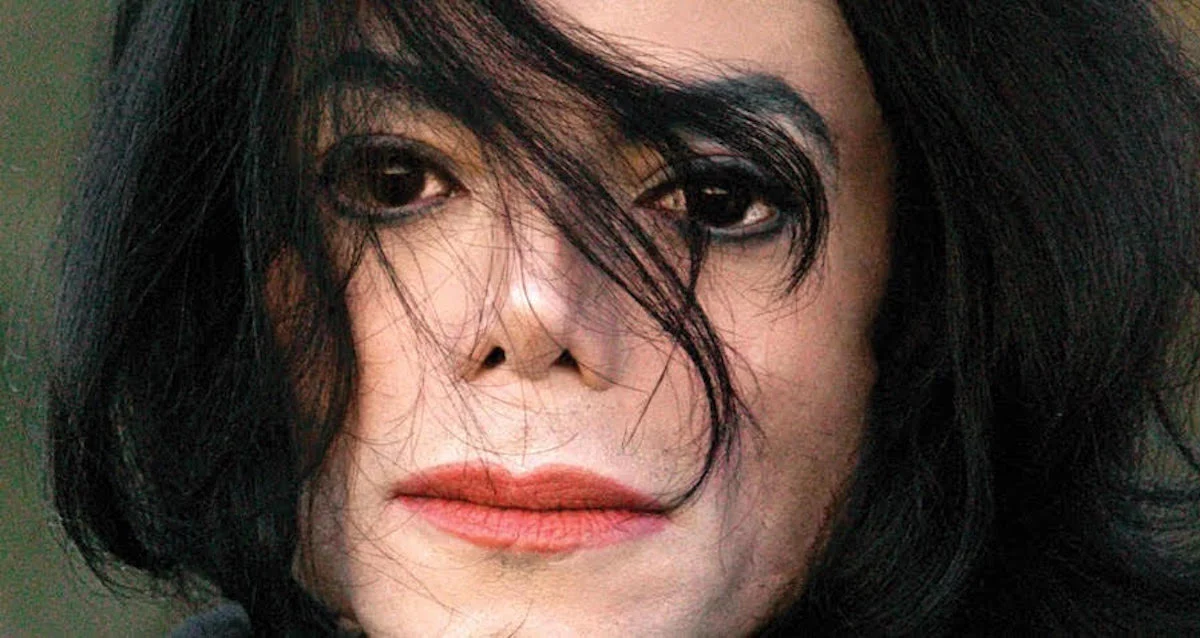
On June 25, 2009, the whole world paused for a moment. The news of Michael Jackson's death, this legendary artist known as the "King of Pop," spread. Jackson passed away at the age of just 50. So, how did Michael Jackson die?
That summer day marked the end of Michael Jackson's sometimes strange and often dazzling life. After gaining fame with his brothers in the family group The Jackson 5, Jackson built a successful career on his own. Hit songs like "Billie Jean," "Thriller," and "Beat It," along with Jackson's iconic dance moves, made him an international phenomenon.
However, behind his fame was a dark reality. The world watched as Jackson's naturally brown skin turned white, his unusual behavior frequently appeared in tabloids, and the singer was accused of abusing young children. Jackson struggled with legal issues in the 1990s and 2000s and chose to step back from the spotlight in 2005.
But in 2009 — the year Michael Jackson died — the pop star was preparing to go on tour when the world learned of his death. Speculation about the cause of his death began immediately, but it took months for it to emerge that Jackson had died after taking a lethal combination of medications prescribed by his personal doctor at his home in Los Angeles.
Since Michael Jackson's death, the world has struggled to define his legacy. He was one of the most successful and iconic artists in the world, but a damaging documentary released in 2019 brought back allegations that he had sexually abused young children and that this had gone unpunished.
Michael Jackson's Rapidly Rising Success
Michael Jackson was born on August 29, 1958, in Gary, Indiana, to a large and musical family. At the age of five, he joined The Jackson 5 with his four brothers and eventually became the lead singer of the group. Under the brutal and often violent supervision of their father Joe, The Jackson 5 achieved success in the early 1970s with hit songs like "I Want You Back" and "I'll Be There."
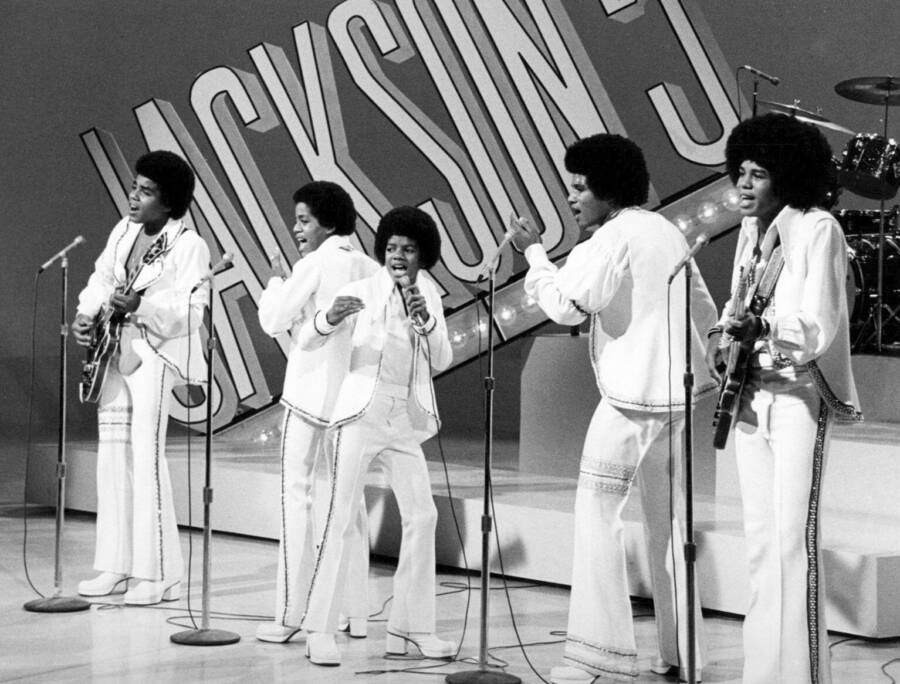
PBH Images/Alamy Stock PhotoA promotional photo taken for The Jackson 5 in 1972.
However, Michael Jackson began to make a name for himself as well. In 1972, he released his first solo album Got to Be There for Motown and showcased his acting talents in the cult classic film The Wiz in 1978. Then, in 1979, he released his first solo album Off the Wall for Epic Records, which became the best-selling album of the year.
But everything really changed in the 1980s. Jackson released the album Thriller in 1982 and the iconic "Thriller" music video the following year. The album became the best-selling album in world history, selling 70 million copies, and the music video heralded the MTV era. Jackson's incredible dance moves, like the "moonwalk," led Los Angeles Times critic Robert Hillburn to call him the "King of Pop."
As Jackson became a bigger star, disturbing rumors about him began to surface. Some were related to his constantly changing appearance. Others were much more serious. In the 1990s, Michael Jackson began to be accused of abusing young children.
The Fall of the "King of Pop"
By the 1990s, Michael Jackson's appearance had dramatically changed from his famous early days. His brown skin had noticeably turned whiter, almost translucent. In a 1993 interview with Oprah Winfrey, Jackson explained that his skin had changed due to a skin condition called vitiligo.
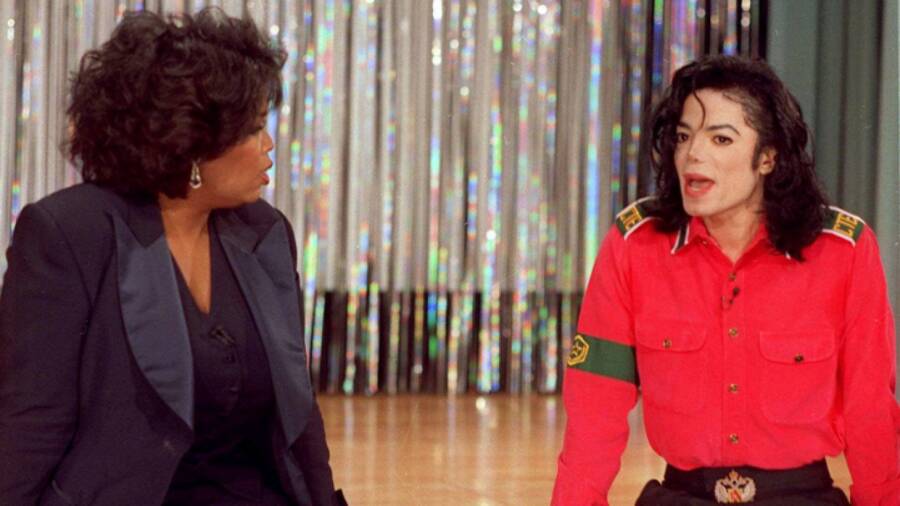
YouTubeMichael Jackson speaking with Oprah Winfrey in 1993.
“I know that this is not something I can control,” Jackson said, claiming that he only used makeup to cover the spots caused by vitiligo during the interview and that he never bleached his skin. “When everyone keeps saying that I want to escape who I am, it hurts me. This is a problem for me. I can’t control it. But what about the millions of people who sit in the sun to be darker? No one is saying anything about that.”
But that same year, Jackson faced much more damaging allegations than the skin bleaching claims. The LAPD was investigating allegations that he had abused a 13-year-old boy. It was known that Jackson spent much of his free time with young children, and this sometimes included sleepovers. The allegations increased the belief among some that there was something worse behind these gatherings. When the child’s family filed a compensation lawsuit against him, Jackson reportedly settled out of court for more than $20 million.
These allegations harmed both Jackson's image and himself, and Rolling Stone magazine reported that the pop star's deadly drug addiction began during this period. Jackson turned to drugs as a way to cope with the pain from past surgeries and injuries. He also suffered serious burns while filming a commercial for Pepsi in 1984.

Yvonne Hemsey/Getty ImagesMichael Jackson denies child abuse allegations while broadcasting from Neverland Ranch in 1993.
As time passed, Jackson increasingly found himself in the news for his scandals. In 1994, he married Elvis's daughter Lisa Marie Presley, but they divorced 18 months later. In 1996, he married Debbie Rowe, a nurse from his dermatologist's office, and they had two children (through artificial insemination) before divorcing in 1999. Meanwhile, allegations of child abuse against Jackson resurfaced.
In 2003, Jackson was accused of abusing another 13-year-old boy. His case went to trial in 2005. Although Jackson was eventually acquitted of the charges, the damage to his reputation was immense. After 2005, the singer largely withdrew from the public eye. Still, disturbing stories continued to emerge about Jackson, including that he owed over $100,000 in prescription drugs to a pharmacy in Beverly Hills.
Jackson remained almost out of sight until 2009, when he announced a series of 50 concerts he would perform in London that year. He described the tour as a "final curtain call" — but the real curtain call would come before the tour began, with Michael Jackson's passing on June 25, 2009.
How Did Michael Jackson Die? His Final Hours
As Michael Jackson prepared for his tour, some people close to him began to notice disturbing changes. Makeup artist Karen Faye later recalled that Jackson was “not the man I knew” and “was acting like someone I didn’t recognize.” Similarly, Kenny Ortega, the show director who was quite familiar with Jackson's usual work habits, noted that the singer appeared “lost, cold, scared” and exhibited paranoid and anxious behaviors.
These concerns were conveyed to Jackson's personal doctor, Conrad Murray, but Murray claimed that Jackson was “physically and emotionally capable of fulfilling his performance responsibilities.”
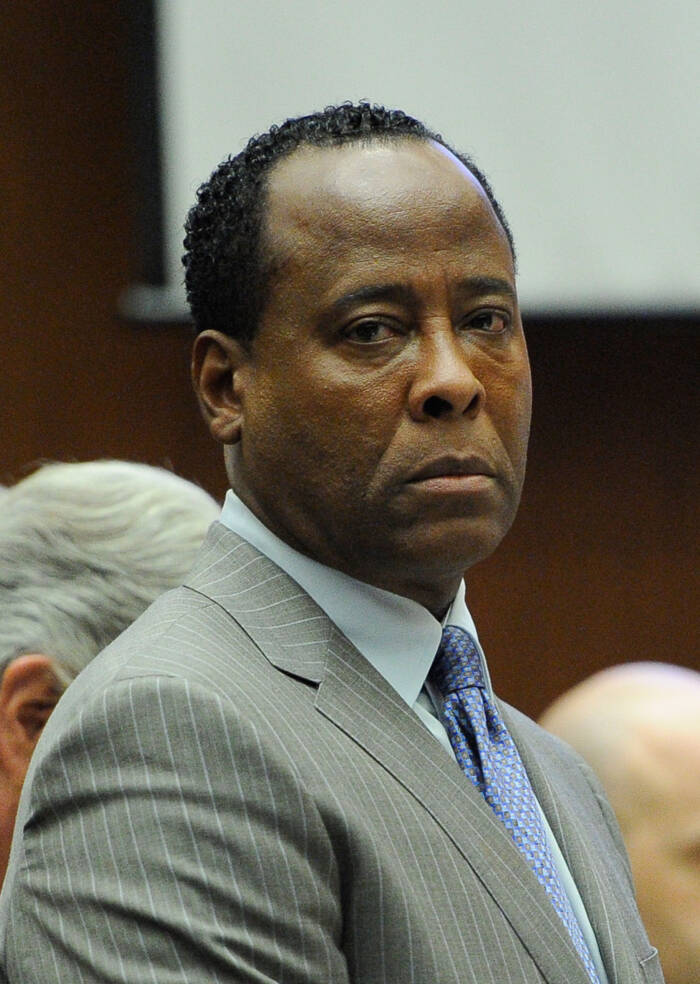
WENN Rights Ltd/Alamy Stock PhotoConrad Murray during the involuntary manslaughter trial in 2011.
On June 24, 2009, Michael Jackson rehearsed as usual. The tour was set to begin the following month at the O2 Arena in London, and Jackson rehearsed until midnight. After the rehearsal, he hugged his dancers, thanked his crew, and returned to his home in Los Angeles.
There, Jackson, who had long suffered from insomnia, told Murray that he had been having difficulty sleeping in recent months. In the early hours of June 25, 2009, Murray administered a series of medications to help Jackson sleep; these included the anxiety medication lorazepam, the sedative midazolam, and Valium.
Murray later told investigators that he initially resisted Jackson's request for propofol, but as the morning progressed, he succumbed to that request.
After a while, Murray noticed that Jackson was not breathing. He made several attempts to revive him, and the first responders behaved in the same way when they arrived at the house. But it was too late — Michael Jackson died of a heart attack due to acute propofol intoxication.
The world woke up to the shocking news of the King of Pop's death. As the Los Angeles Times bleakly noted, Jackson "spent much of his life as one of the world's most famous people, and for many, his untimely death felt both unimaginable and strangely inevitable."
After Michael Jackson's Death
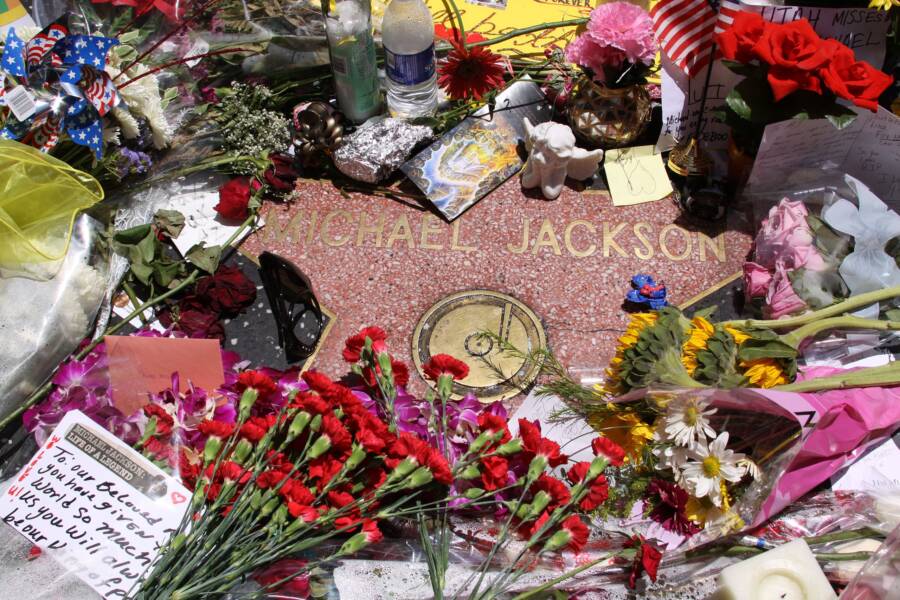
Taty2007/Wikimedia CommonsGifts left by fans for Michael Jackson's star on the Hollywood Walk of Fame on the day of his death.
Eight months after Michael Jackson's death, investigators brought Conrad Murray to trial on involuntary manslaughter charges. In 2011, Murray was found guilty and served two years of a four-year prison sentence.
Since then, Michael Jackson has held a disturbing place in American culture. As the "King of Pop," he was an iconic singer who revolutionized dance moves and music videos. However, allegations of child abuse against the singer have become even louder since Michael Jackson's death.
Between 2013 and 2014, two men named Wade Robson and James Safechuck filed lawsuits against Jackson's estate and Jackson's companies, claiming that the singer had abused them as children. Although a judge initially dismissed their cases, the HBO documentary Leaving Neverland (2019) brought their stories to a wider audience. Both men detailed their allegations of abuse by Jackson, stating that these incidents occurred in various locations, including Jackson's Neverland Ranch.
In 2023, the California appeals court allowed Robson and Safechuck to reinstate their cases and proceed to jury trials.
All of this complicates the legacy of Michael Jackson. A once-in-a-lifetime artist, Jackson will always be remembered for songs like "Billie Jean" and "Thriller," famous music videos, and even more iconic dance moves. However, the disturbing allegations against Jackson — even though he was never found guilty — cast a dark shadow over his legacy.




Comments
(6 Comments)