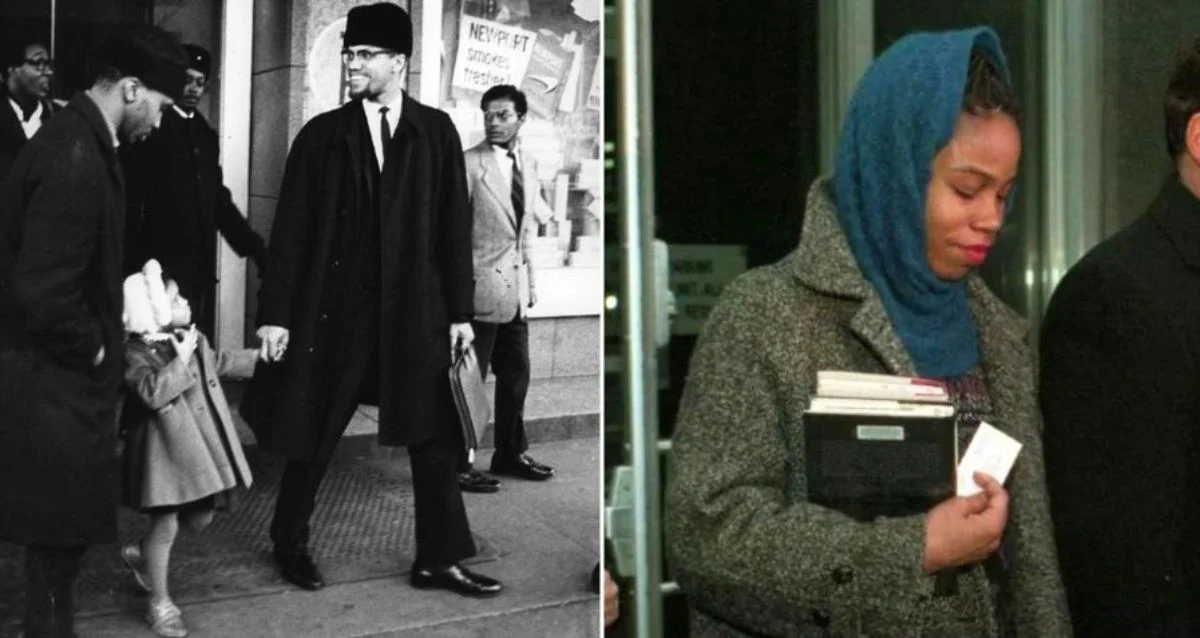
Qubilah Shabazz's life was never easy. The daughter of Malcolm X, Shabazz became a victim of violence from a young age and witnessed her father's assassination when she was just four years old.
That moment understandably left a deep impact on Shabazz. Along with the challenges of growing up without her father, Shabazz struggled to adapt. In her adulthood, she drifted from city to city and job to job, battled alcohol addiction, and relied on the goodwill of family and friends to raise her son Malcolm.
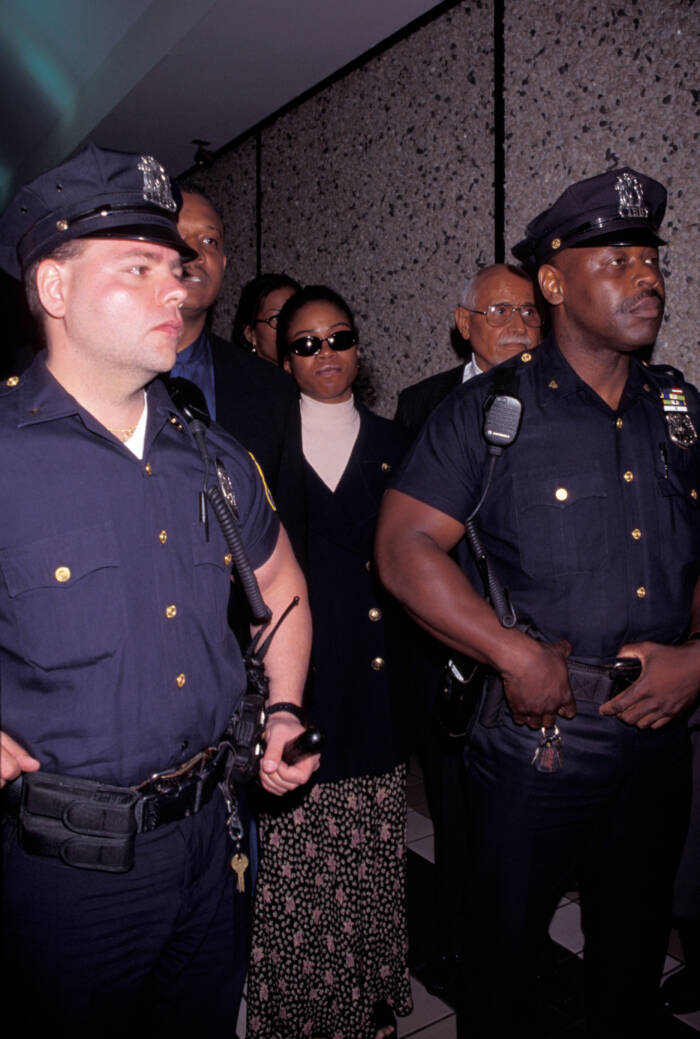
ZUMA Press, Inc. / Alamy Stock PhotoMalcolm X's second daughter Qubilah Shabazz.
However, in the early 1990s, Shabazz developed an obsessive hatred towards Louis Farrakhan, the leader of the Nation of Islam. She believed Farrakhan was responsible for her father's assassination, and her anger led Shabazz to plan Farrakhan's assassination.
The plan ultimately failed, and Shabazz had to undergo psychiatric counseling and substance abuse treatment to avoid prison time. However, Shabazz's struggles did not end there.
Qubilah Shabazz's Early Life in Grief
Qubilah Shabazz was named after Kublai Khan, the grandson of Genghis Khan, and was born on December 25, 1960. She was the second of six daughters of Malcolm X and his wife Betty Shabazz.
Author Russell J. Rickford wrote in his biography Betty Shabazz: A Remarkable Story of Survival and Faith Before and After Malcolm X that Qubilah would become "the most visibly wounded of the Shabazz daughters."
Perhaps she had no chance against the darkest realities of the world shown to her at an early age. At four years old, Shabazz woke up in the middle of a firebomb attack on her home.
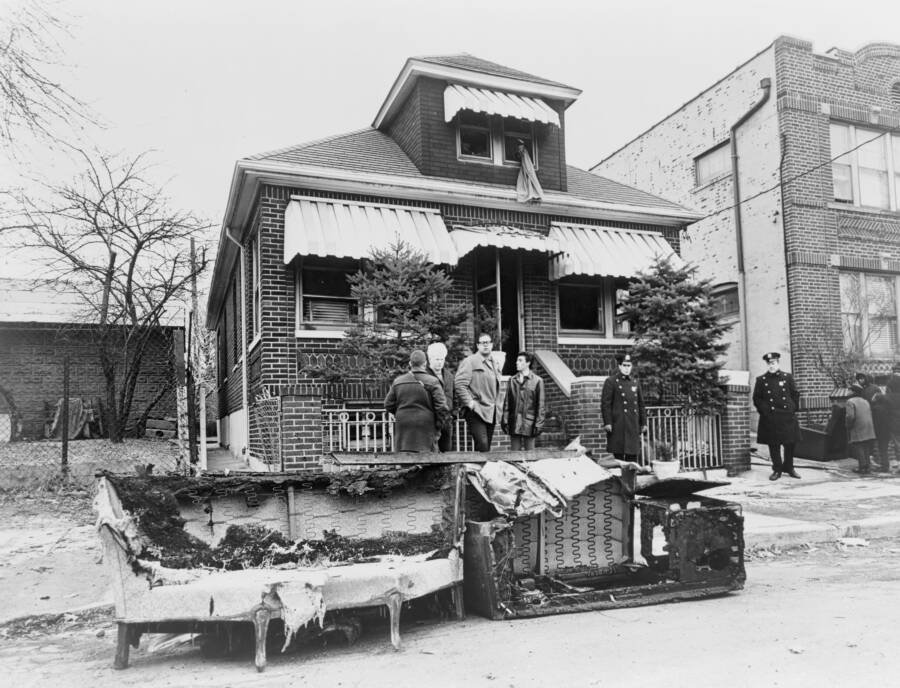
American Photo Archive / Alamy Stock PhotoMalcolm X's home after being firebombed in February 1965.
A week later, on February 21, 1965, Shabazz's father Malcolm X was assassinated at the Audubon Ballroom in Harlem. Qubilah Shabazz was shot at least 15 times in front of a crowd with her three sisters and pregnant mother. "Qubilah was the only Shabazz daughter who understood that her father would not be coming home," Rickford wrote.
Life did not get any easier for Shabazz.
The family tried to settle in Mount Vernon when the NAACP demanded integrated schools and better housing in the South Side. Unfortunately, many Black professionals at that time were also trying to distance themselves from Malcolm X's legacy — including Betty Shabazz and her children.
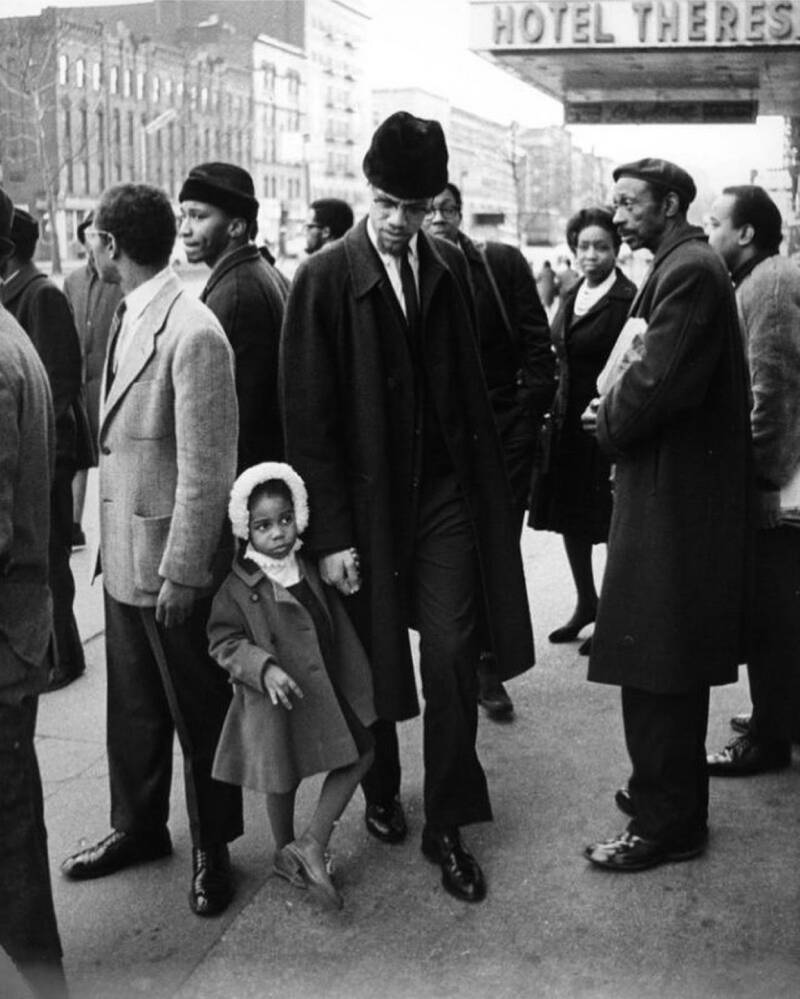
Ilyasah Shabazz/FacebookMalcolm X and Qubilah Shabazz, a day before his assassination.
“The first people who reached out to me in Mount Vernon were white,” Betty would recall.
Meanwhile, their children were struggling with exclusion at school and trying to cope with the trauma of their father's death. Qubilah Shabazz began to develop intense anger within herself.
According to an article published in The Baltimore Sun in 1998, at the age of eight, Shabazz wrote an essay titled “Malcolm X, A Black Leader”:
“Malcolm X was a brave leader, he fought for the rights of all Black people. His Black sermons resonated in everyone's heart. He was preaching at the autobahn in 1964. And everyone was listening, not sleeping. They were listening to his Black words. Then shortly after, he was shot. He died but his beautiful Black spirit lives in the heart of every Black person.”
Qubilah Shabazz's discontent continued to grow and she carried it into her adulthood.
Transformation into Substance Abuse and Violent Anger
Qubilah Shabazz was a bright child and had a promising future. Her intelligence and hard work eventually led to her acceptance into Princeton University, but she still struggled to fit in.
She felt excluded by white students and had difficulty finding common ground with other Black students who were trying to convince the university to abandon investments in post-apartheid South Africa.
Shabazz was not very interested in joining their efforts.
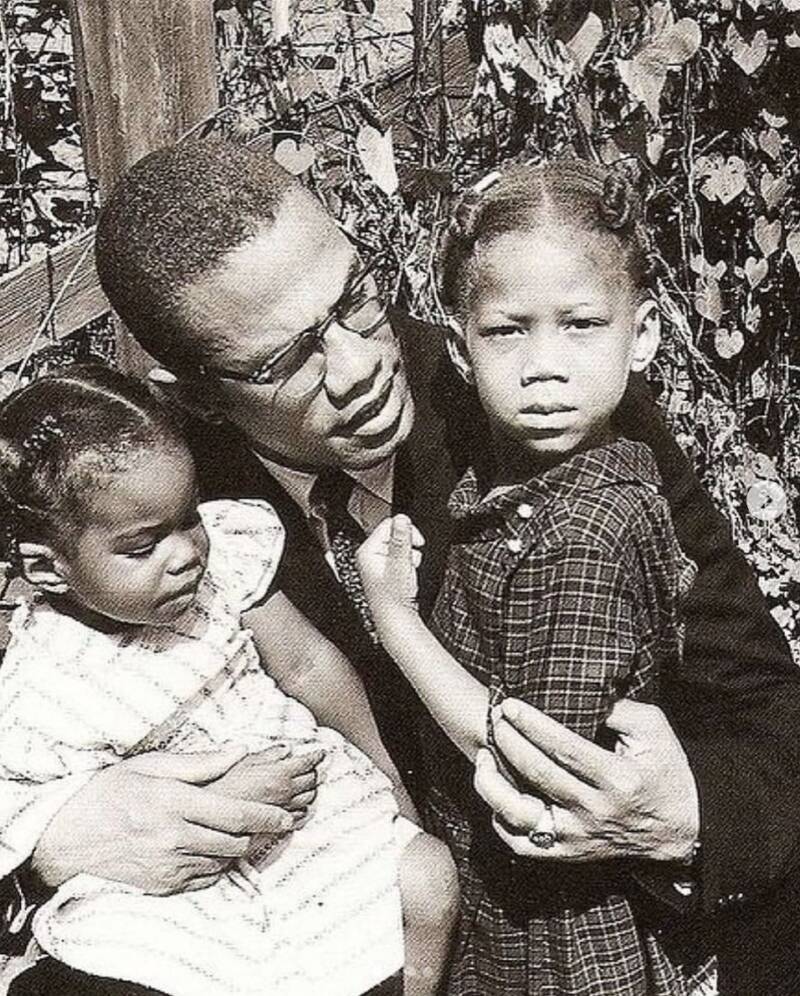
Ilyasah Shabazz/InstagramMalcolm X, his two daughters Attallah (on the right) and Qubilah (on the left).
After two terms, Shabazz left Princeton and moved to Paris, France. There, she worked as a translator for a while and eventually met a man named L. A. Bouasba, an Algerian. Their relationship did not last long, but they had a child together: a son named Malcolm.
Several months after Malcolm was born, Shabazz returned to the United States and settled in Los Angeles. It wasn't long before she went back to New York, but she struggled to find a solid place anywhere.
As Shabazz bounced from job to job, she often left Malcolm in the care of his mother and sisters. In the meantime, she began to struggle with alcohol addiction and would stay with friends when she had no place to stay.
At the same time, Betty Shabazz was becoming more outspoken against the Nation of Islam — particularly against its new leader, Louis Farrakhan. She held her husband's death directly responsible on him and referred to the assassination as “a badge of honor” for him.
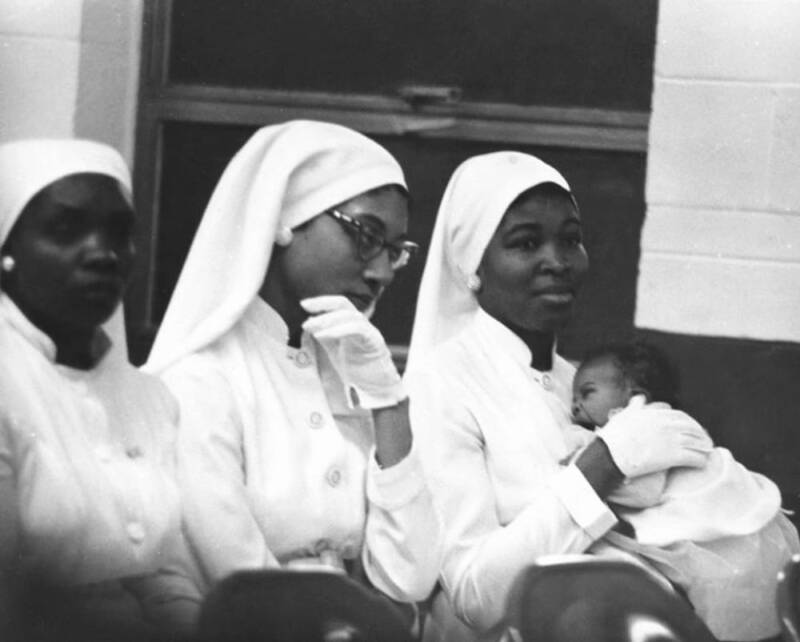
Ilyasah Shabazz/FacebookBetty Shabazz (on the right) holding Qubilah.
Qubilah Shabazz shared her mother's belief that Farrakhan played a significant role in her father's death, but she had a new fear. She was afraid that Farrakhan would kill Betty.
Wanting to take matters into her own hands, Shabazz contacted a high school friend named Michael Fitzpatrick and asked him to kill Farrakhan. He agreed, but there was something Shabazz did not know; Fitzpatrick had recently been arrested on drug charges and was working as an informant for the FBI.
According to an article in the Chicago Tribune in 1995, Fitzpatrick's game was so deep that Shabazz fell in love with him.
Eventually, when she was arrested in relation to the plan to kill Farrakhan, Shabazz claimed that she took the blame to protect Fitzpatrick and that her request for him to kill Farrakhan was just a joke.
“He knew I was joking. We both laughed,” Shabazz said.
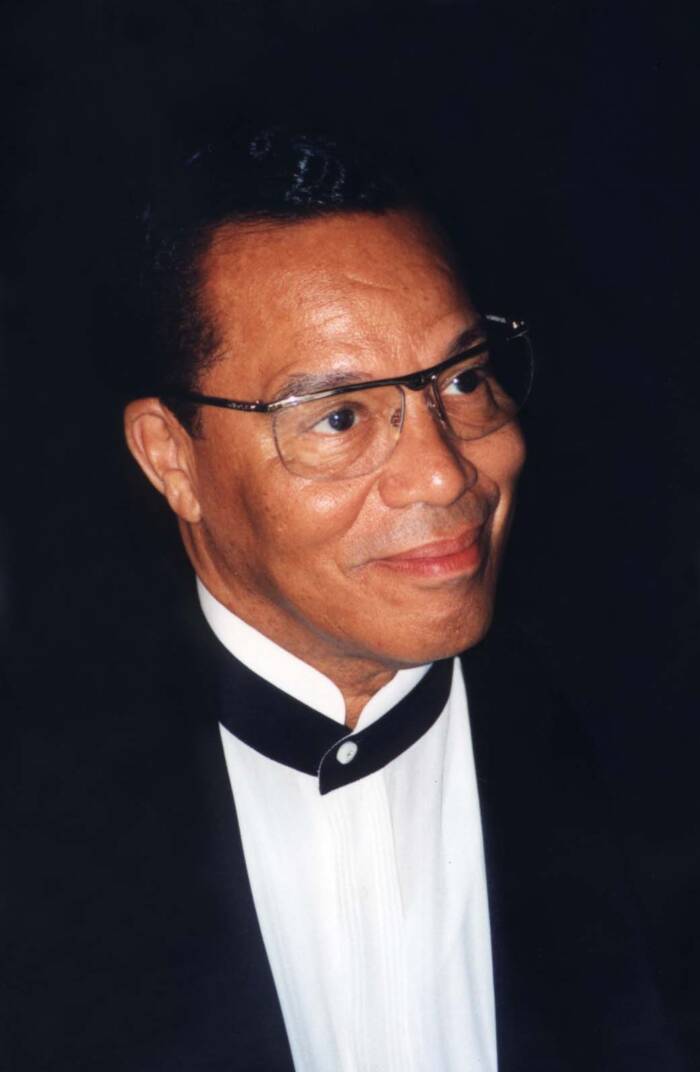
John Mathew Smith/Wikimedia CommonsNation of Islam leader Louis Farrakhan, 1997.
Shabazz accepted a plea deal in the case, which required her to undergo psychological counseling and substance abuse treatment and to avoid further legal troubles for two years.
Surprisingly, Farrakhan came to her defense in Shabazz's case. He even appeared on stage with Betty Shabazz at the Apollo Theater to raise money for Qubilah Shabazz's legal defense. Together they raised over $250,000.
Unfortunately, this period of peace did not last long.
The Tragic Death of Betty Shabazz's Grandson
As part of a court-ordered treatment process, Shabazz moved to San Antonio, Texas. Her son Malcolm, who was 10 years old at the time, was sent to Yonkers to live with his grandmother Betty.
Two years later, Shabazz fulfilled the requirements of her plea deal. She had avoided legal troubles, and counseling and substance abuse treatment were going well. Her indictment was dropped.
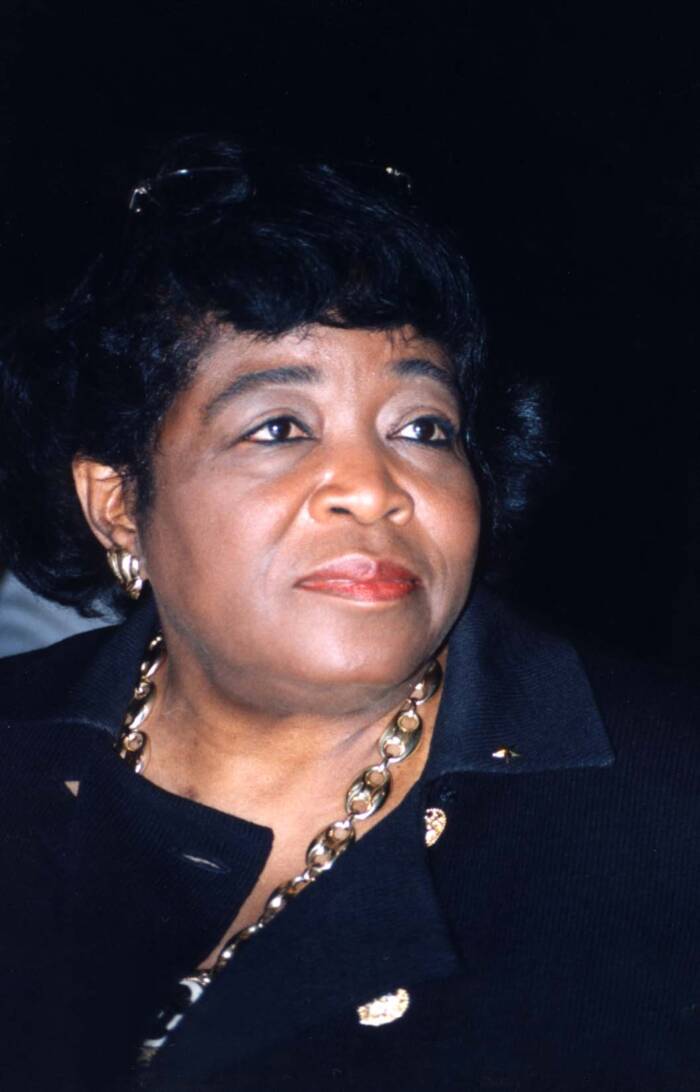
John Mathew Smith/Wikimedia CommonsMalcolm X's outspoken wife Betty Shabazz.
However, the two years without her mother became unbearable for Malcolm.
In January 1997, he briefly reunited with Shabazz, which should have been a joyful occasion for both. However, according to family and friends, when his mother could not take him to school, he attacked her for “drinking again,” The New York Times reported in 1997.
Malcolm was once again sent back to New York to live with his grandmother. There, his anger seemingly took over him — and he set his grandmother's apartment on fire with gasoline.
As a result, Betty Shabazz suffered severe burns on 80% of her body. Three weeks later, she died due to her injuries. Malcolm was convicted of arson and murder charges as a juvenile and was sent to a juvenile detention center for 18 months.
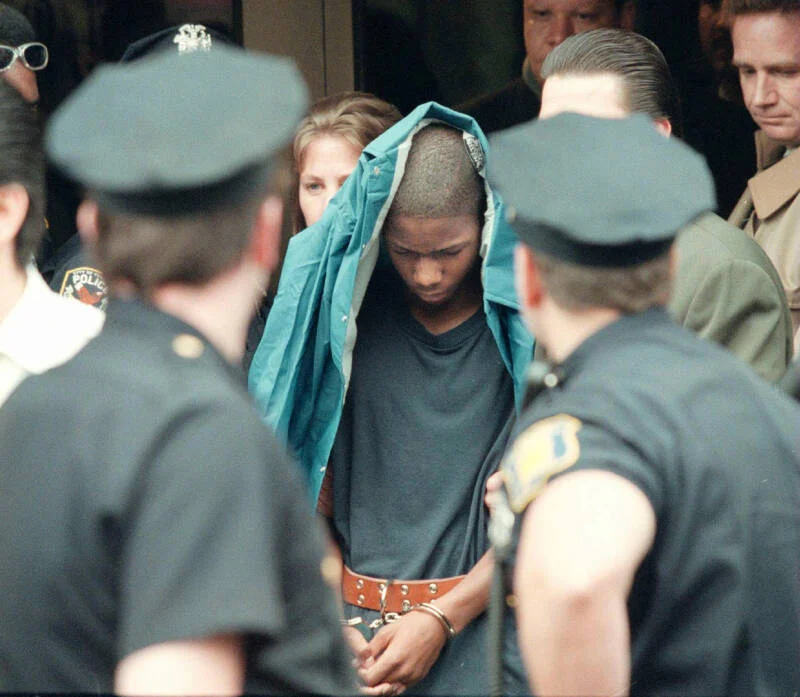
Francis Specker / Alamy Stock Photo13-year-old Malcolm Shabazz at his trial in 1997.
However, his troubles did not end there. In 2013, at the age of 28, Malcolm Shabazz was beaten to death in a bar fight in Mexico.
Qubilah Shabazz largely disappeared from the public eye after her son's death. However, it seems that the fight for justice for Malcolm X's family never ends for Shabazz. In February 2023, she filed a lawsuit against the FBI, CIA, and NYPD for her father's wrongful death.
I hope one day, Malcolm X's family can find the closure they are seeking.





Comments
(10 Comments)