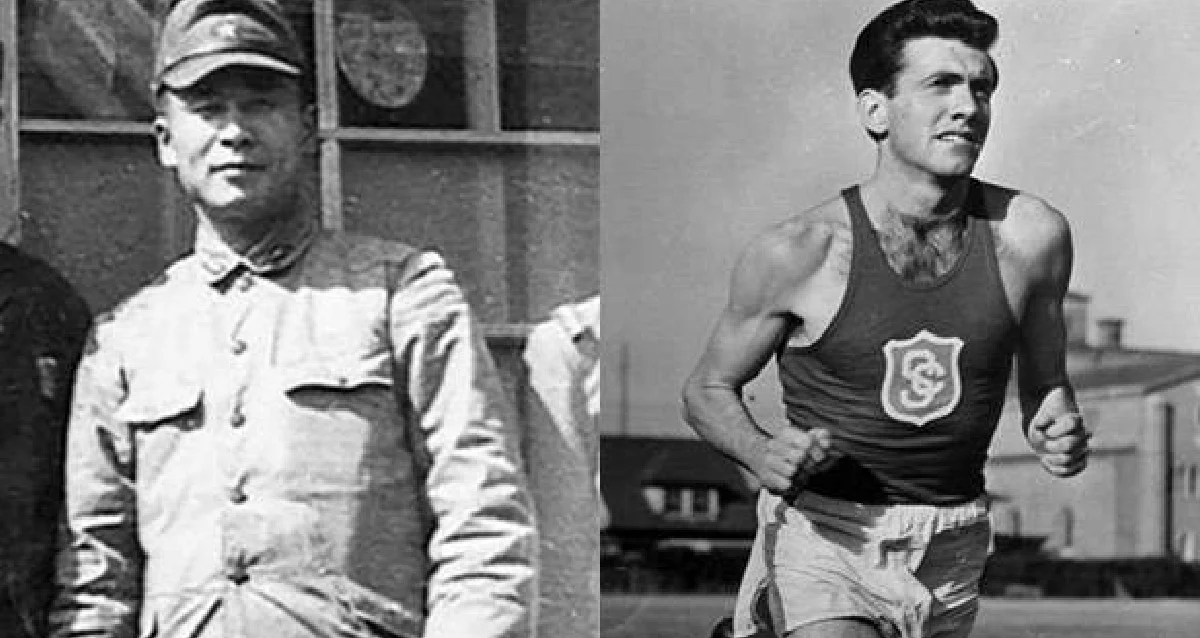
The 2014 film Unbroken tells the story of former Olympic athlete Louis Zamperini, who was captured in Japan during World War II. While in prison, Zamperini was subjected to constant torture by a prison guard whom they referred to as "The Bird."
This man's real name was Mutsuhiro Watanabe, and he was much more ruthless than depicted in the film.
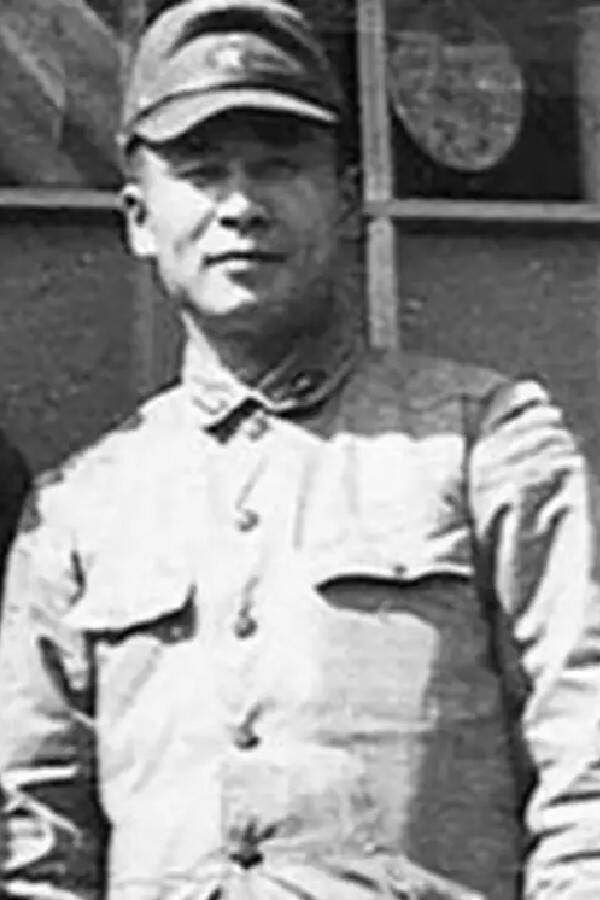
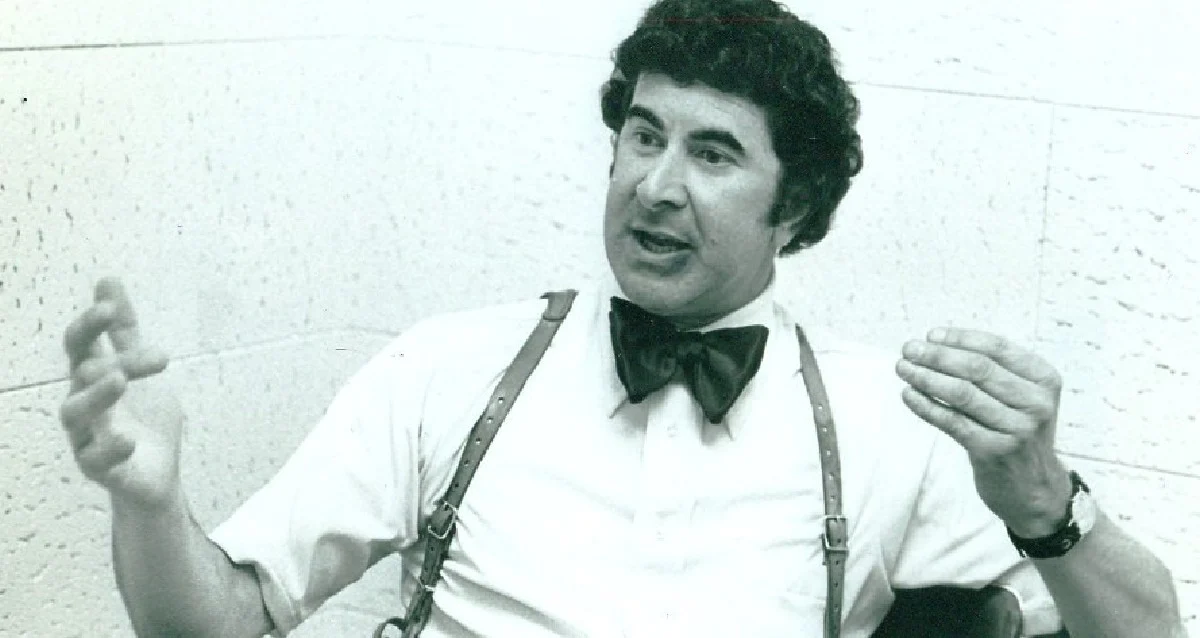
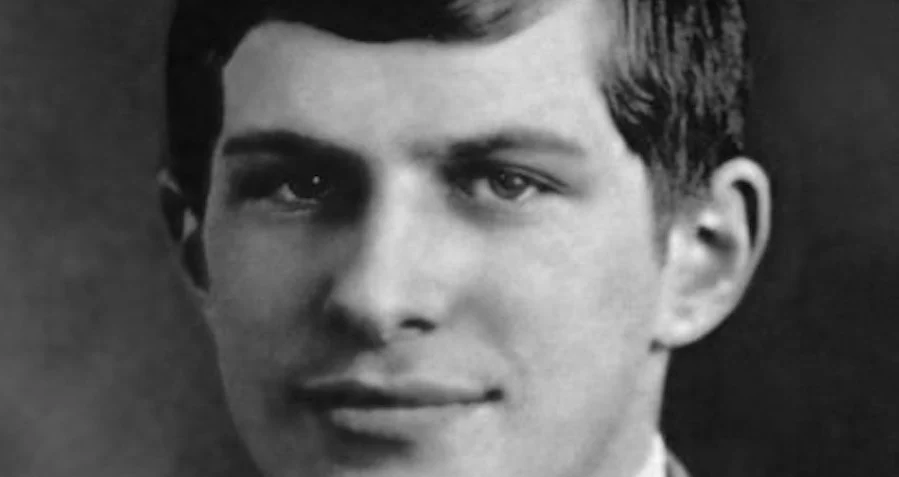
Public DomainThe prison guard known as "The Bird," Mutsuhiro Watanabe.
Watanabe, a Japanese sergeant during the war, was sadistic and cruel, taking great pleasure in beating the prisoners. He became so excited during the tortures that he would foam at the mouth, and Zamperini learned to be cautious around him, "as if I were looking for a lion that had escaped in the woods."
So, who was Mutsuhiro Watanabe? Here’s what we know about this ruthless Japanese prison guard from the film Unbroken.
Mutsuhiro Watanabe's Privileged Childhood
Born on January 18, 1918, in Japan, Mutsuhiro Watanabe had a privileged childhood. Laura Hillenbrand, in her 2010 book Unbroken: A World War II Story of Survival, Resilience, and Redemption, wrote that Watanabe's family "accumulated wealth" due to the Takamatsu Hotel and other properties in Tokyo.
Expected to be waited on by servants, Watanabe enjoyed a luxurious childhood and spent many happy moments in his family's private pool. As a young adult, he went to Waseda University in Tokyo to study French literature. However, shortly after graduating, World War II began, and Watanabe eagerly enlisted.
According to Hillenbrand, Watanabe believed that "his education and lineage" would make him an officer immediately. Instead, he was assigned as a sergeant.
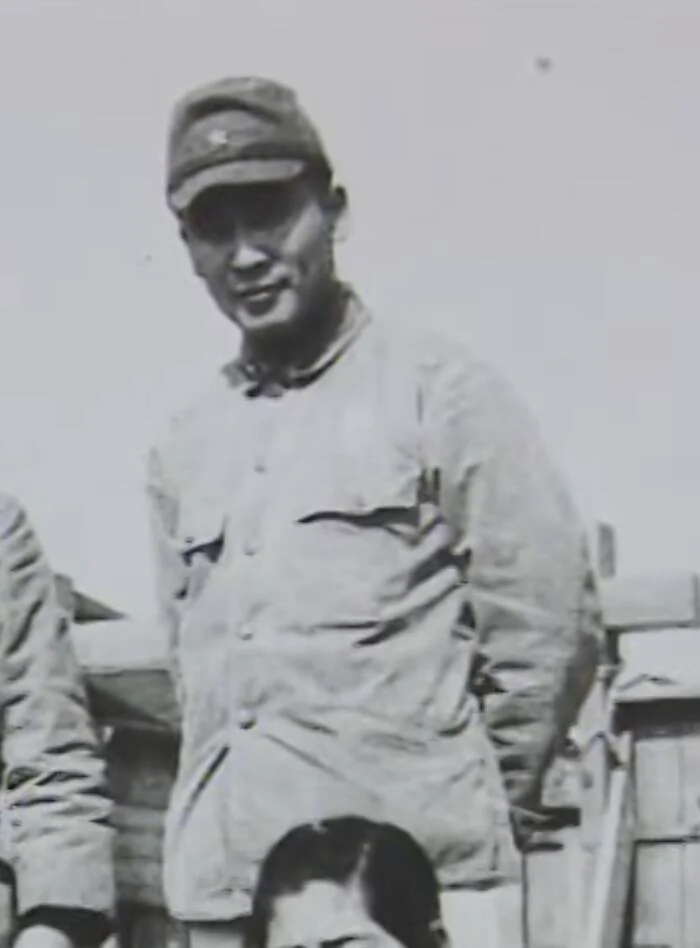
YouTubeMutsuhiro Watanabe eagerly enlisted in World War II but was angry that he was not made an officer immediately.
"In every way, this was the moment that derailed his career," Hillenbrand wrote, "humiliating him, enraging him, and making him jealous of the officers... every part of his mind coalesced around this fiery humiliation."
Assigned to a prisoner camp, Mutsuhiro Watanabe quickly gained a reputation as a cruel and hated guard—even among other soldiers.
The Ruthless Sadism of 'The Bird'
While working in various prisoner camps in Japan, Mutsuhiro Watanabe quickly gained a negative reputation among both his colleagues and the prisoners under his control.
"He was not liked even among the Japanese," said a guard at Omori Camp, Yuichi Hatto, in a 1998 CBS Sports documentary. "He was hated... [He had] no patience. He was very violent."
Of course, Watanabe was even more terrifying for the prisoners. Because he spoke a little English, they called him "The Bird," a term that had no negative or positive connotation.
One of his main targets was American athlete and Olympian Louis Zamperini, who was transferred to Omori Camp in September 1944. Zamperini described Watanabe as a "frog-faced man" in a sworn statement he wrote after the war, noting that he treated Zamperini and the other prisoners with extreme cruelty.
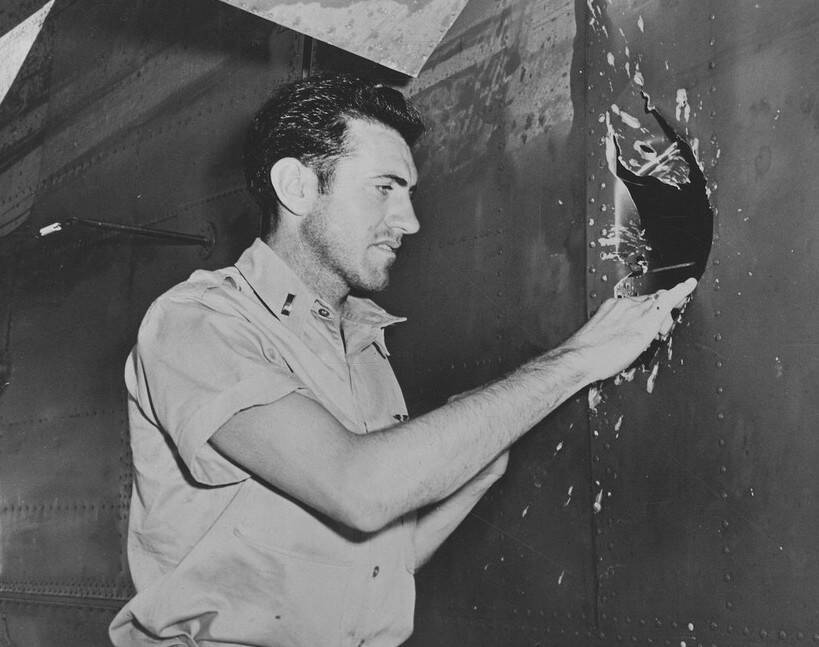
National ArchivesLouis Zamperini inspects damage to his plane. The former Olympian was captured during World War II and spent years in Japanese prisoner camps.
Zamperini recounted an incident where Watanabe called ten prisoners; these prisoners waited five minutes to leave their work and come to his office.
"Watanabe thought that was too long and started chasing us," Zamperini wrote. "He was swinging a big leather belt. He hit us in the face four times with that steel buckle."
Hillenbrand recounts another incident between Watanabe and Zamperini; this time, the guard struck Zamperini on the left temple and ear with a heavy brass belt. When Zamperini fell to the ground, Watanabe approached him gently and offered him a piece of toilet paper to press against his ear.
However, when Zamperini got up, Watanabe hit the same spot again—and Zamperini could not hear out of his left ear for two weeks. At another point, Watanabe forced Zamperini to hold a six-foot-long log above his head; the former Olympian managed to do this for 37 minutes.
Watanabe was also known as a "sexual sadist" who took pleasure in torturing. The prisoners remembered that his mouth would foam while torturing them, and Hatto later wrote, "Watanabe enjoyed beating the prisoners. He satisfied his sexual desires by hurting them."
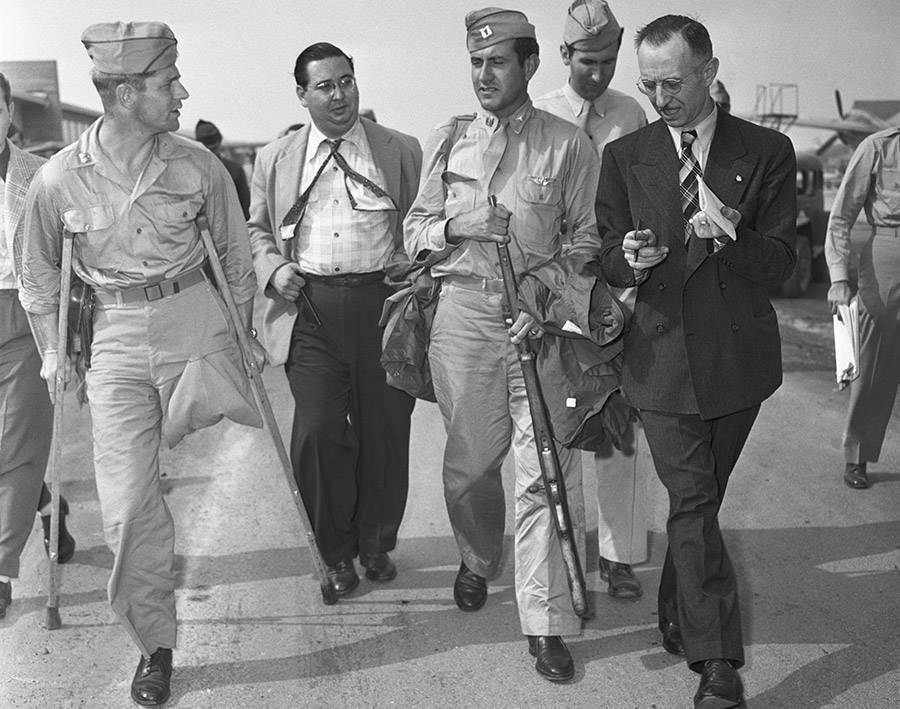
Bettmann/Getty ImagesLouis Zamperini returning home after World War II.
Mutsuhiro Watanabe tortured the prisoners not only physically but psychologically as well. According to Hillenbrand, he would destroy the photographs of the prisoners' family members and force them to watch as he burned their unopened letters, psychologically torturing them. Watanabe would fluctuate greatly between violence and kindness, sometimes giving the prisoners candy or discussing literature with them. This kept the prisoners constantly on edge.
Eventually, in 1945, World War II ended with the atomic bombing of Hiroshima and Nagasaki. Zamperini and the other prisoners returned to the United States. Mutsuhiro Watanabe disappeared for decades.
Mutsuhiro Watanabe After World War II
After the war, stories of Mutsuhiro Watanabe's cruelty spread. General Douglas MacArthur listed him as the 23rd most wanted of 40 war criminals in Japan. However, "The Bird" could not be found anywhere.
Indeed, Watanabe hid himself so well that even his mother thought he was dead and built a shrine in his memory. Meanwhile, Watanabe was hiding in the mountains of Nagano. He stayed there for seven years, then quietly emerged and built a lucrative career as a life insurance salesman. In 1952, all charges against him were dropped.
He said almost nothing about what he did during the war until 1998, when Zamperini was selected to carry the Olympic torch before the Winter Olympics in Japan. At that time, he appeared briefly in a CBS Sports interview and defended himself.
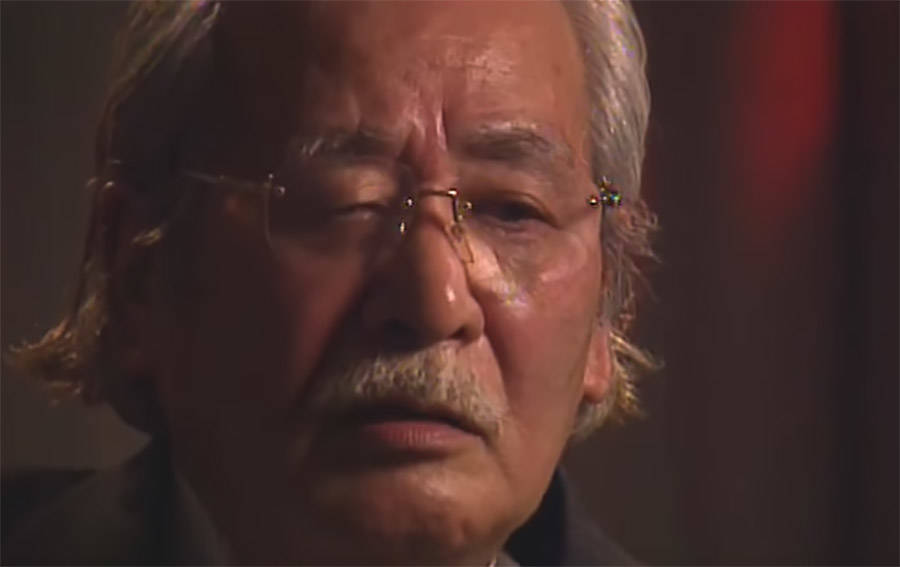
YouTubeMutsuhiro Watanabe in a 1998 interview.
"Tattooing and kicking are considered cruel behaviors in white society," he said. "However, there were some situations in the prisoner camp where tattooing and kicking were inevitable... No military orders were given. Because of my personal feelings, I treated them harshly as enemies of Japan."
Louis Zamperini wanted to forgive his former torturer upon his return to Japan, but Watanabe refused. He expressed no remorse for his actions during the war until his death in 2003.















Comments
(9 Comments)