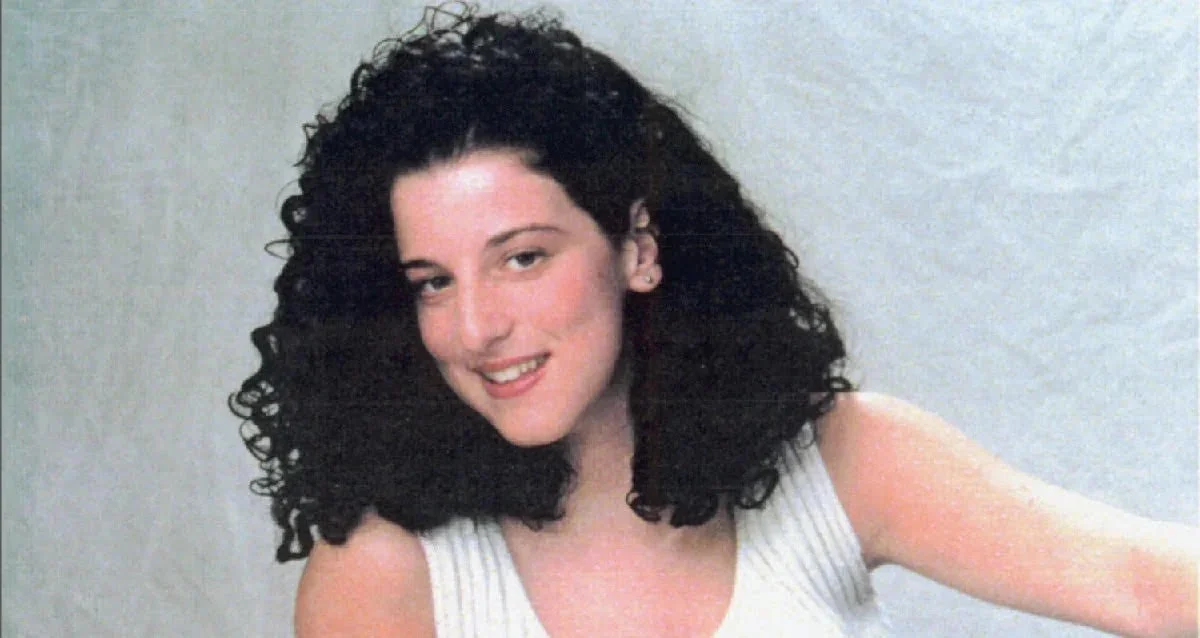
Chandra Levy was chasing big dreams. As a 24-year-old intern working for the Federal Bureau of Prisons, she hoped to join the FBI or attend law school. However, she became the face of one of Washington D.C.'s most notorious murder cases — a case that has never been definitively solved.
In May 2001, Levy was expected to return to her hometown in California for her graduation ceremony after completing her master's program at the University of Southern California, but she vanished without a trace. The investigation into her disappearance revealed few clues, but it was discovered that Levy had been in a relationship with 53-year-old married congressman Gary Condit from her hometown of Modesto, California.
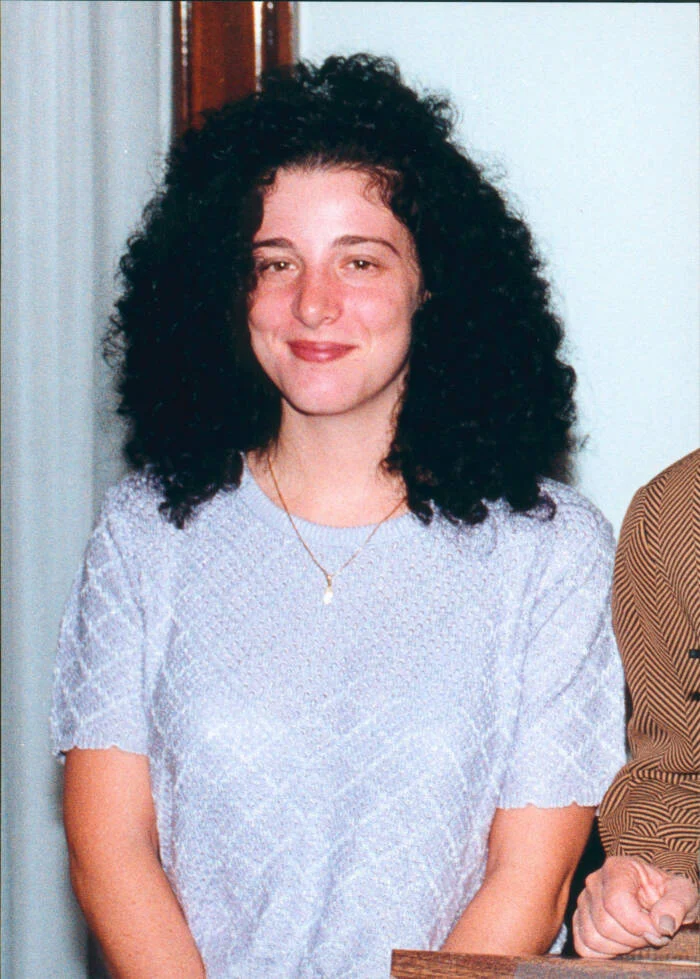
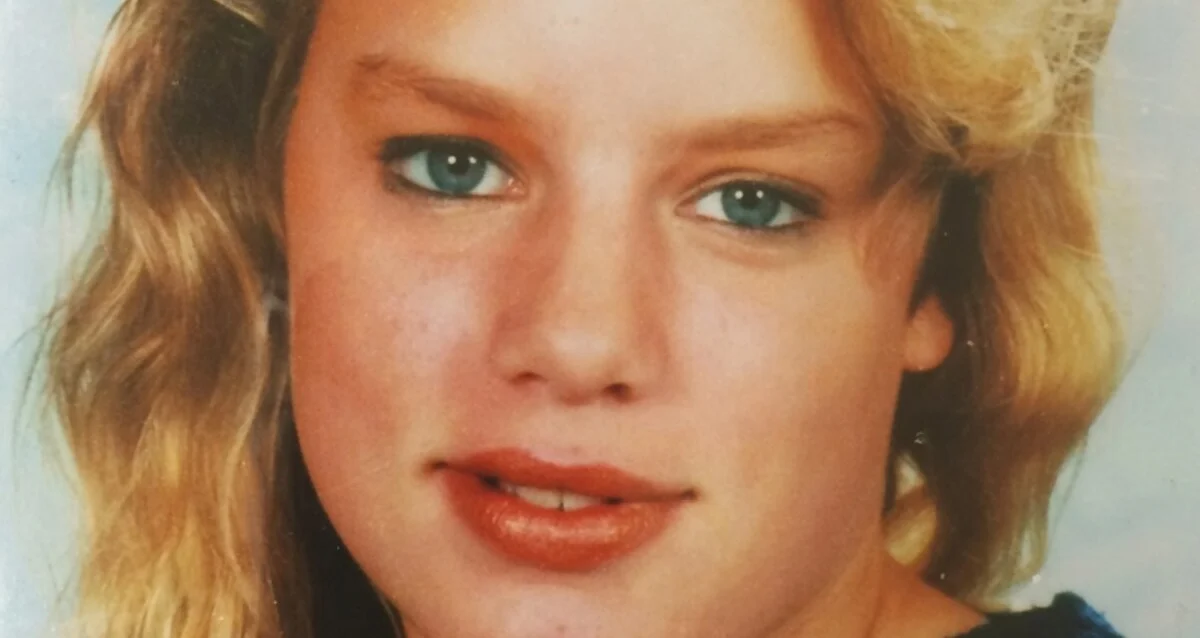
ZUMA Press, Inc./Alamy Stock PhotoOne of the last photos taken of Chandra Levy in May 2001, with her body found in May 2002.
Until the September attacks, Chandra Levy's disappearance was one of America's biggest news stories. However, her body was found in May 2002 in Rock Creek Park in D.C. — and a suspect was arrested, tried, and briefly convicted — but her case remains cold.
This is the heartbreaking true story of Chandra Levy; her unsolved murder continues to haunt the nation’s capital.
Who is Chandra Levy?
Born on April 14, 1977, in Cleveland, Ohio, Chandra Levy grew up in Modesto, California. Her parents, Bob and Susan Levy, remember her as an individual, fun-loving, and sometimes authoritarian figure against her younger brother Adam. Chandra Levy was ambitious from a young age and dreamed of joining the FBI or becoming a lawyer when she grew up.

Metropolitan Police Department of the District of ColumbiaChandra Levy's high school graduation portrait.
In October 2000, she moved to Washington D.C. to pursue that dream and found an internship at the Federal Bureau of Prisons as part of her master's program in public administration at the University of Southern California. However, Chandra Levy would unfortunately never return home.
Not long after arriving in the city, she met Gary Condit, a married Democratic congressman from Modesto. Condit gave her and a friend a tour of the Capitol, and within a few weeks, Levy began secretly telling her loved ones that she was dating a congressman.
According to an ABC News article from June 2001, she told her aunt Linda Zamsky on Thanksgiving that she had started a relationship with a congressman in his 50s who “looked like Harrison Ford.” In December, Levy also mentioned this relationship in an email to a friend.
“Everything is going well in D.C., my guy will be back here when Congress starts again,” she wrote. “Don’t tell [a friend in Condit’s office] who I’m dating, because [he]… thinks I’m dating an FBI agent.”
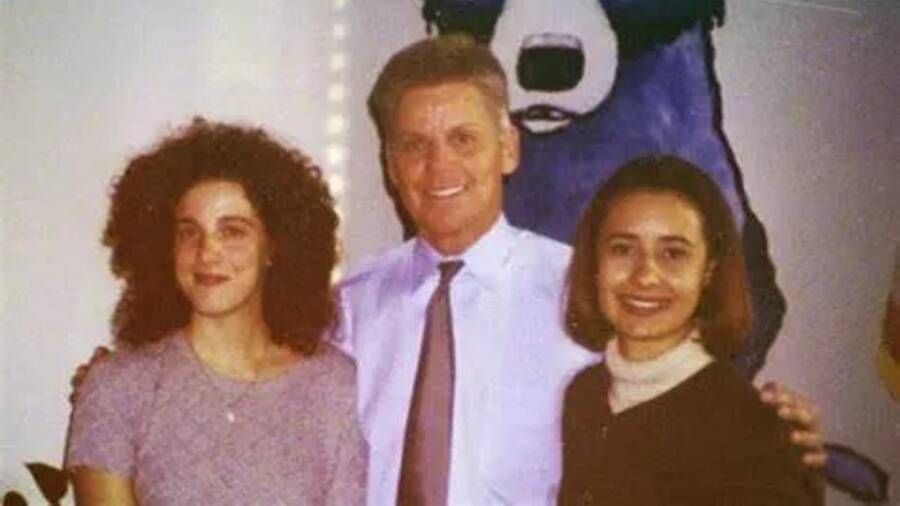
Jennifer Baker/Personal PhotoChandra Levy (left) and Gary Condit.
By the end of April 2001, Chandra Levy's internship had ended. She was preparing to return to California for her graduation ceremony (she had actually graduated in December) and was trying to figure out her next steps. However, before flying back, Levy called her aunt Zamsky and left a message saying she wanted to tell her something important.
Zamsky never learned what that important thing was. Just a few days later, on May 1, 2001, Chandra Levy disappeared — and was never seen alive again.
The Search for Chandra Levy
Five days after Chandra Levy went missing, her father Bob Levy called the D.C. police. He was worried because he hadn’t heard from his daughter; she was supposed to come home soon. According to a 2008 Washington Post article, he also learned that she had been in contact with Gary Condit. Chandra's mother, Susan, told Bob that she thought their daughter was dating Condit, and Bob relayed this possibility to the police.
The police went to Chandra Levy's apartment and found a full voicemail, including two messages from Condit. The congressman was wondering where Levy was. They also found Levy's laptop and — despite a police sergeant accidentally corrupting the search history — were eventually able to determine her last internet searches.
On the morning of the day she disappeared, Chandra Levy checked several websites, including Southwest Airlines and Condit’s homepage. She also visited The Washington Post website, where she checked the weather and then read about Rock Creek Park; a large city park that spans 1,754 acres. Condit lived near the park, which was filled with hiking and running trails. The police thought she might have gone to the park to walk or run because she had canceled her gym membership.
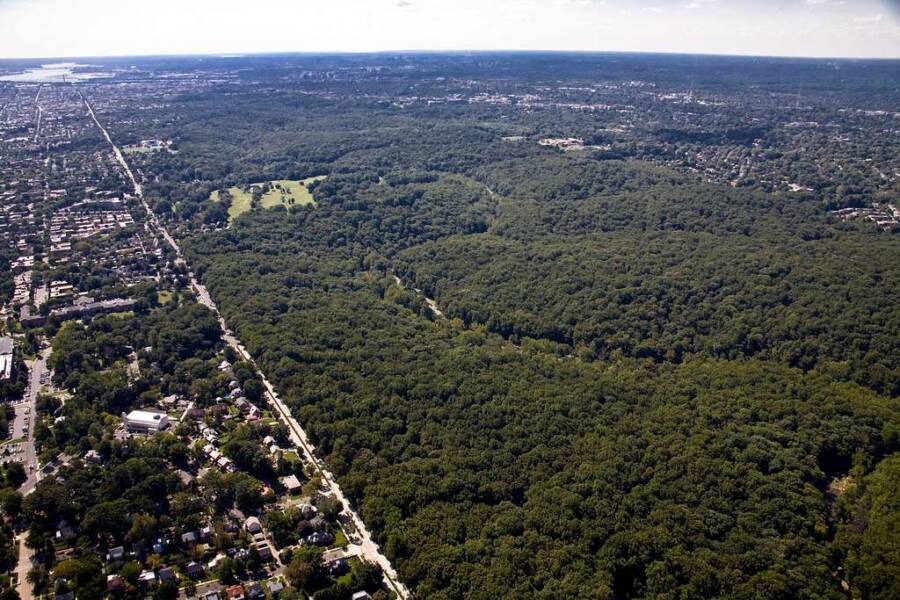
Public DomainRock Creek Park is twice the size of Central Park in New York City. Investigators thought Chandra Levy might have gone to Rock Creek Park to exercise, but nothing was found in the initial search of the park.
However, nothing was found in the initial search of the park. And because the police waited more than seven days to obtain security footage from Levy's apartment, they could not determine when she left or if she left alone — the footage was recorded every seven days.
Meanwhile, the story of a D.C. intern missing with a congressman became a media sensation. Publicly, Condit denied having a relationship with Levy. Privately, he admitted to investigators that he had.
Brad Garrett, one of the lead investigators in the Chandra Levy case, said that Condit “wasn’t initially helpful” but did not believe he was responsible for her disappearance. Garrett stated, “What motivation could he have to harm her? His life was going on. He was still married, still a congressman… She was a temporary part of his life.”
Gary Condit vehemently denied harming or killing Chandra Levy. “I’ve been married for 34 years,” Condit said in an August 2001 interview with ABC News that drew about 24 million viewers. “I… haven’t been a perfect man and I’ve made mistakes on my part. But out of respect for my family and at the special request of the Levy family, I think it’s best that I not go into those details regarding Chandra Levy.”
At that point, speculation about Chandra Levy's disappearance reached a fever pitch. But then the September 11 terrorist attacks occurred.
How a Suspect Was Finally Identified
As the nation was preoccupied with the aftermath of the September 11 attacks, the Chandra Levy case was forgotten for several months. However, on May 22, 2002, a man and his dog found human skeletal remains in Rock Creek Park.
Dental records confirmed that the remains belonged to Chandra Levy. However, investigators found only a few other clues. They recovered a sports bra, underwear, a t-shirt, running shoes, a Sony Walkman, and — disturbingly — jogging pants with knots tied at the bottom.
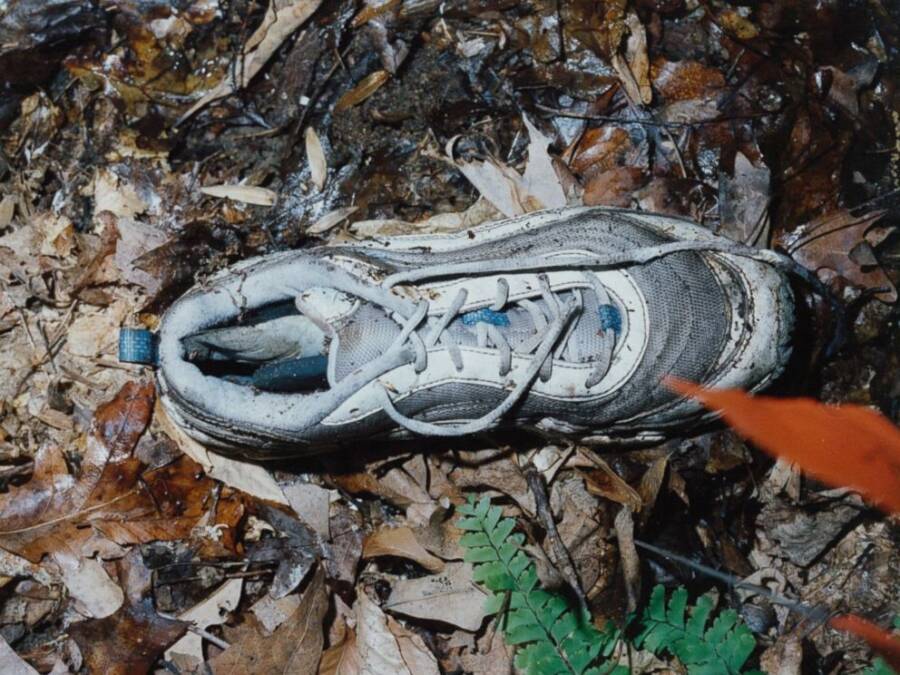
Public DomainOne of Chandra Levy's shoes found in Rock Creek Park.
Investigators believed the knotted pants could be evidence that Levy had been restrained before her death. However, other than declaring a murder case, they could not determine how she died or who killed her.
In 2007, investigators returned to a man named Ingmar Guandique, an immigrant from El Salvador who had previously attacked women in the park. In 2002, he was sentenced to 10 years in prison for stabbing two women in Rock Creek Park; one in May 2001, the other in July 2001.
And on May 1, 2001, the day Chandra Levy went missing, Guandique was seen missing a day of work at his construction job.
Investigators had initially considered Guandique a suspect in Levy's disappearance but had decided he was not involved. However, a cellmate of Guandique, Armando Morales, later told investigators that Guandique had confessed to killing Levy during a robbery, saying, “Brother, I killed her… [expletive]. But I didn’t rape her.”
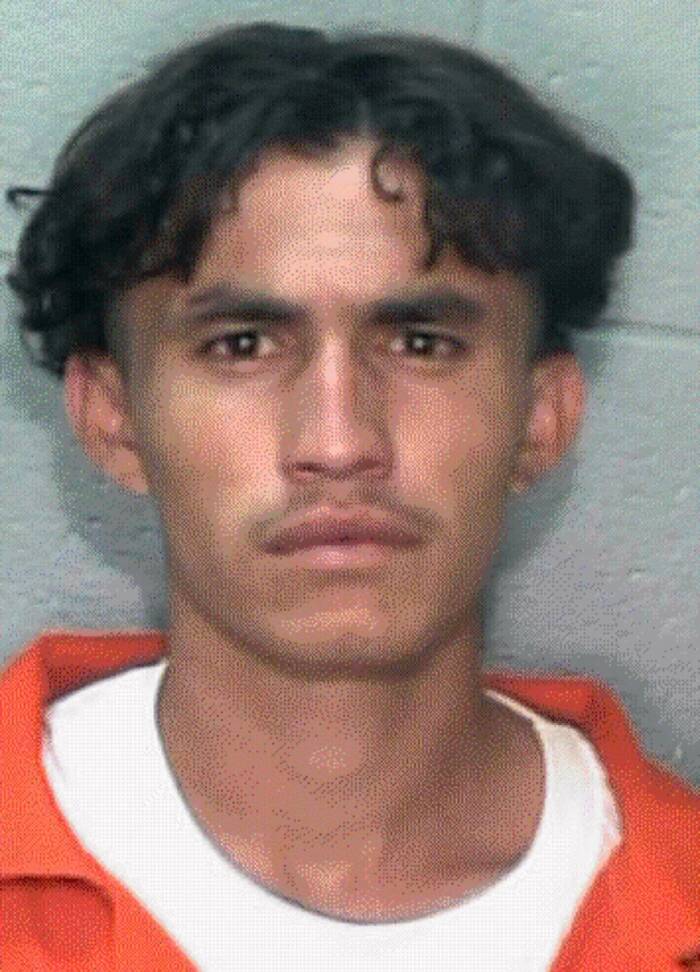
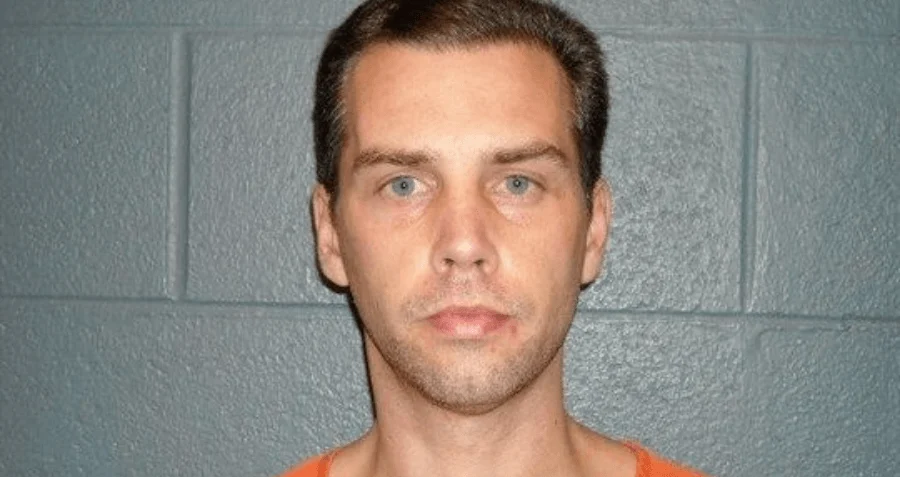
D.C. Department of CorrectionsIngmar Guandique's mugshot.
In 2009, Guandique was charged with the murder of Chandra Levy. In 2010 — despite a small DNA sample found on Levy's clothing not matching him (or Condit) — he was convicted and sentenced to 60 years in prison.
However, there would be one final heartbreaking surprise in the case.
Why the Case Remains Unsolved to This Day
In 2015, prosecutors agreed to a retrial for Guandique because Morales had concealed his history of cooperating with the law as a key witness. However, before the trial began, a woman named Babs Proller came forward and claimed that Morales had always lied.
According to a Washington Post article published in 2016, Proller initially contacted Levy's mother Susan and said she had important information about the case.
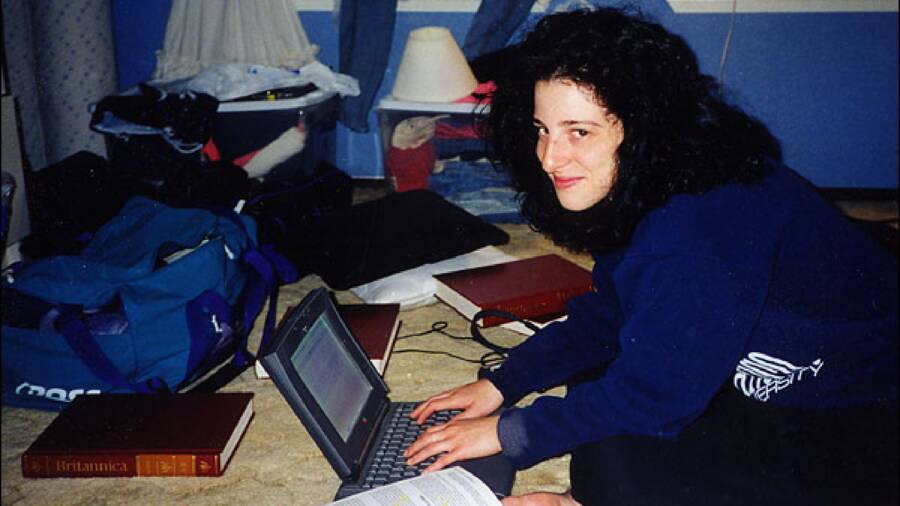
Levy FamilyChandra Levy working on a paper in college.
It turned out that Proller had met with Morales, learned about his time in prison, and began recording their conversations. Proller claimed that Morales eventually denied ever confessing that Guandique had killed Levy.
However, despite having several recordings, none supported her claims. Indeed, Morales's attorney stated that Morales never said in his recordings that he lied in his conversation with Guandique and never told anyone else that either.
Still, this seemed sufficient for the dismissal of Guandique's case and the dropping of charges against him. In July 2016, the D.C. U.S. Attorney's Office announced that they could not prove the murder case against Guandique beyond a reasonable doubt.
Ingmar Guandique was deported to El Salvador the following year, and Chandra Levy's murder remains unsolved to this day.
As a result, many unanswered questions remain regarding Levy's death. When did she leave her apartment? Was she alone? Was she planning to meet someone in the park? Or was she just planning to go for a run alone? Did she know her killer — or was she killed by a stranger?
“Every morning when I wake up, I wake up with the same old feeling of incompleteness,” Susan Levy said in a 2021 interview with her husband Bob for The Modesto Bee. “Something is missing… We are living life as best we can. We are hurt. Just like a limb is missing.”

Comments
(0 Comments)