Did you like this gallery?
Share:
- Share
-
 Flipboard
If you liked this article, don't forget to check out these popular posts:
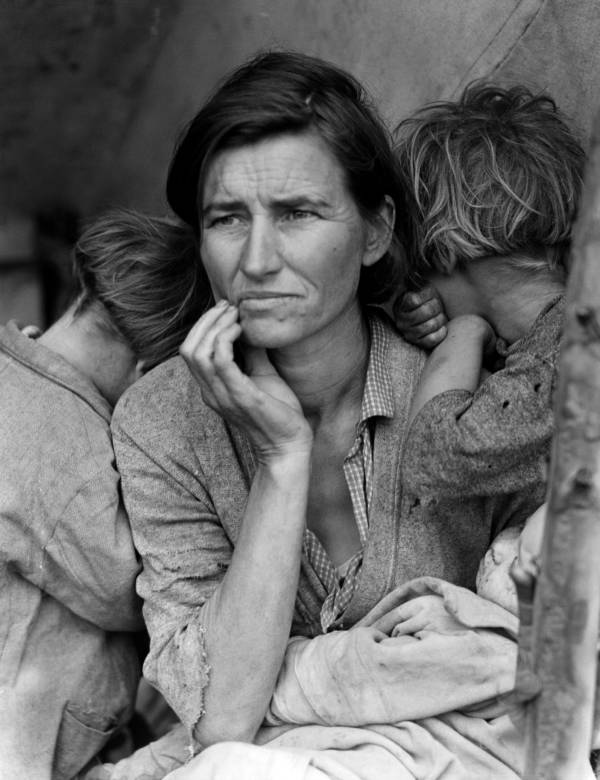
In this gallery, you will recognize that look you see in the famous photograph of a migrant mother taken by Dorothea Lange in 1936. As you look at other Dust Storm photos, you will see that look again and again.
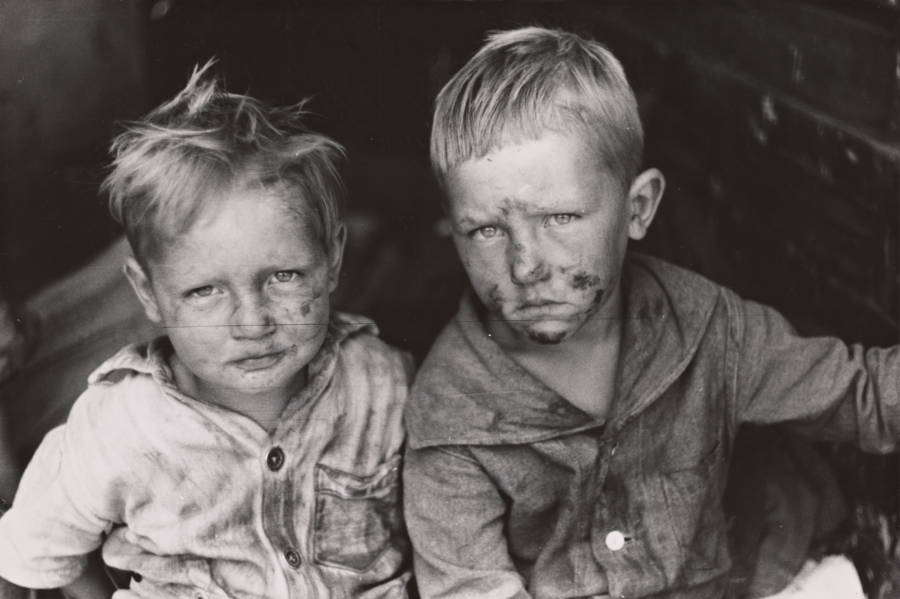
This look is empty yet determined, still and emotional, broken yet resolute. There is defeat, but there is also hope. After all, the Dust Storm was one of the worst ecological disasters in American history, forcing millions to leave their homes. Some people made new beginnings from this tragedy.
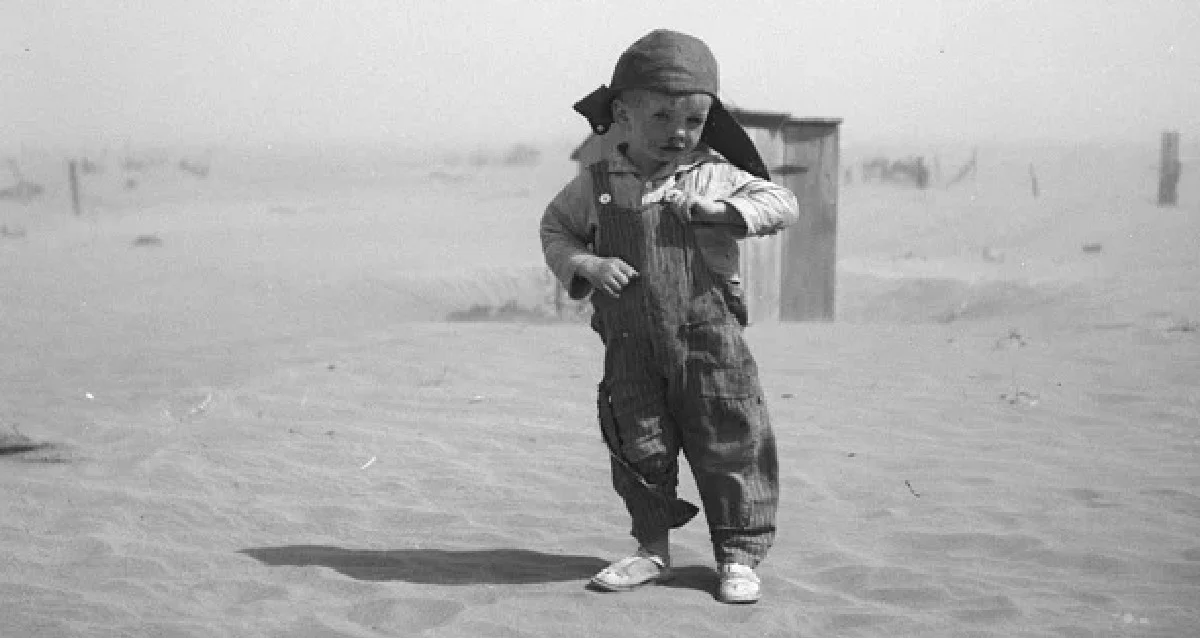
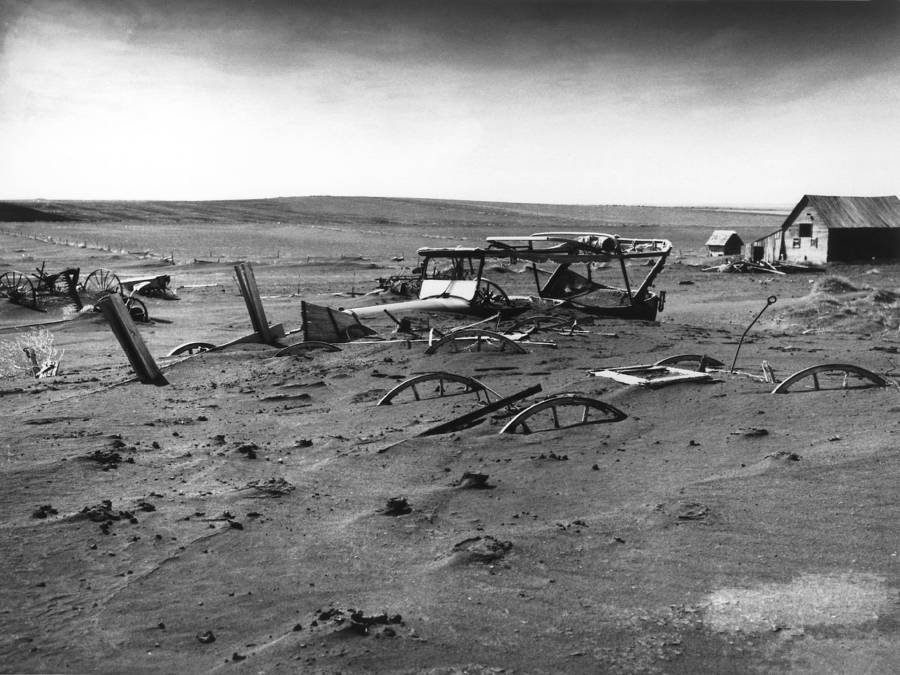
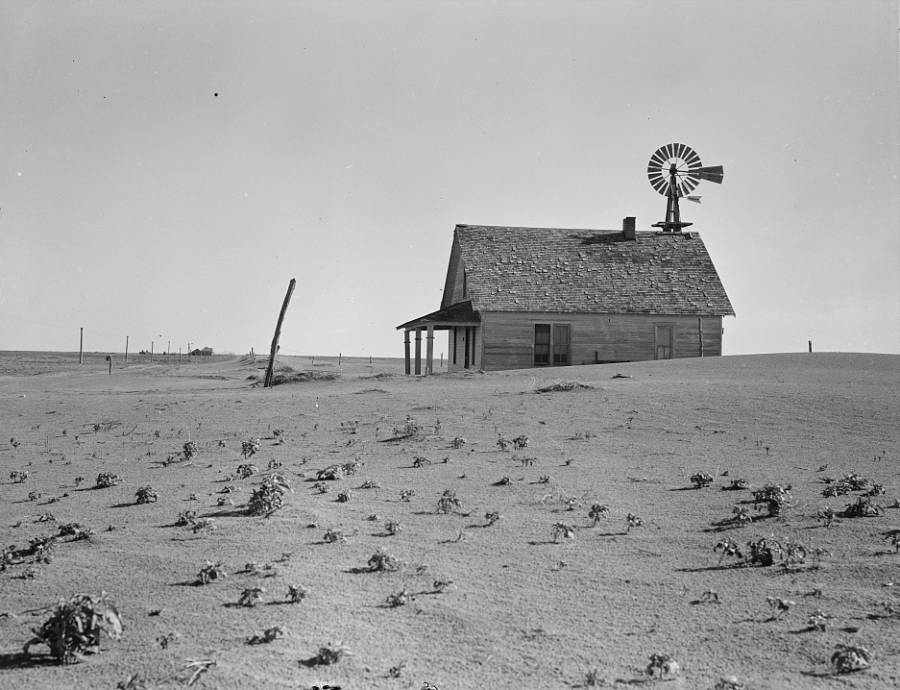
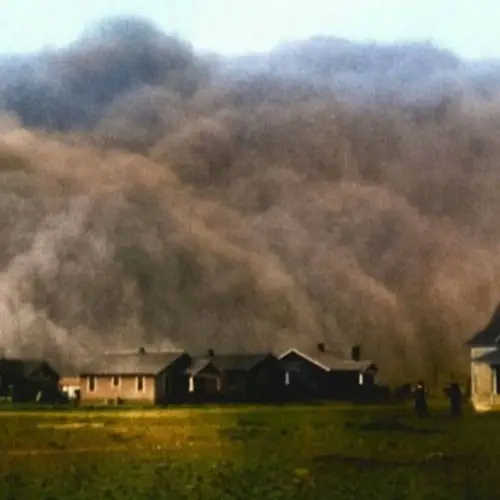
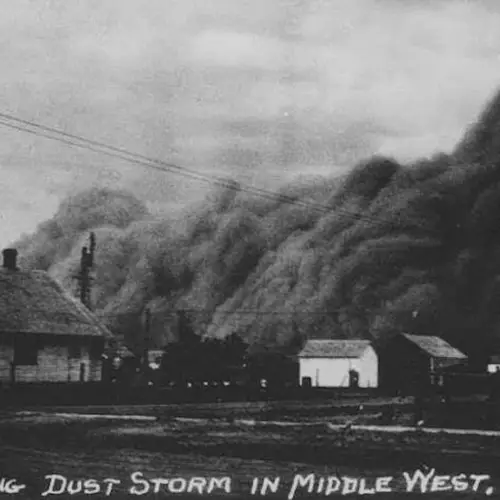
But that happened later. In the early 1930s, the Dust Storm was just dust. The dust swirling in the air blocked the sun, suffocated crops, and buried farms; it hurt eyes, noses, and mouths. For nearly a decade, the Dust Storm turned a large part of the American interior into a virtual desert, exposing it to black, gloomy dust storms.
So, how did the Dust Storm begin? How did it affect the United States? And where did the millions of migrants fleeing the dust go? Continue reading below to learn about the history of the Dust Storm. Above, take a look at the Dust Storm photos that capture the despair and destruction of the era.
The Beginning of the Dust Storm in the 1930s
The seeds of the Dust Storm were literally sown long before the disaster began. According to the Library of Congress, after the passage of the Homestead Act in 1862, thousands of settlers migrated to the region. Farmers began plowing the vast grasslands, and as the demand for wheat increased, they began to use the land more and more for wheat cultivation.
This, along with overgrazing by cattle, eliminated the region's native grasses. These grasses had played a crucial role in absorbing moisture and holding the soil in place during intense wind storms. Then, the droughts of 1931 worsened the situation; crops failed, leaving behind dry, sandy soil. This soil was easily lifted into the air by high winds, creating the region's first black, gloomy dust storms.
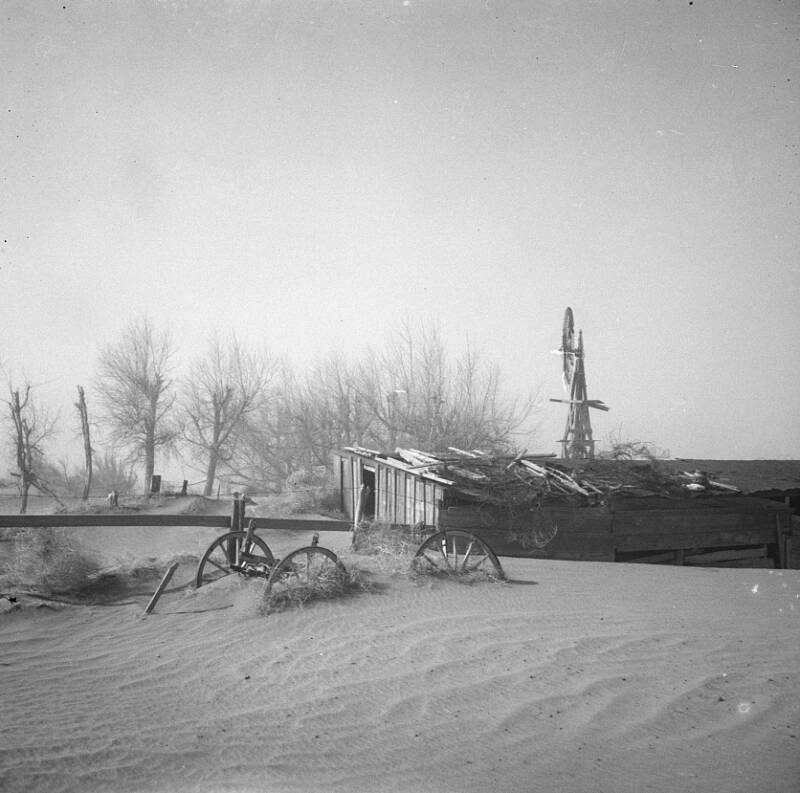
Library of CongressAfter a dust storm in Oklahoma, around 1936.
In 1932, 14 such storms occurred. The following year, this number rose to 38.
The Dust Storm had begun. The name was given by journalist Robert Geiger in 1935; "Three little words, painfully familiar in the language of the western farmer, govern life in the dust storm of the continent - if it rains."
Black Blizzards, Destroyed Farmland, and Mass Migration from the Interior
In the following decade, conditions worsened further. The United States struggled with widespread drought affecting 27 states (and more than 75% of the country) by 1934.
That year, a powerful dust storm reached as far as the East Coast, covering both the U.S. Capitol and the Statue of Liberty with loose soil.
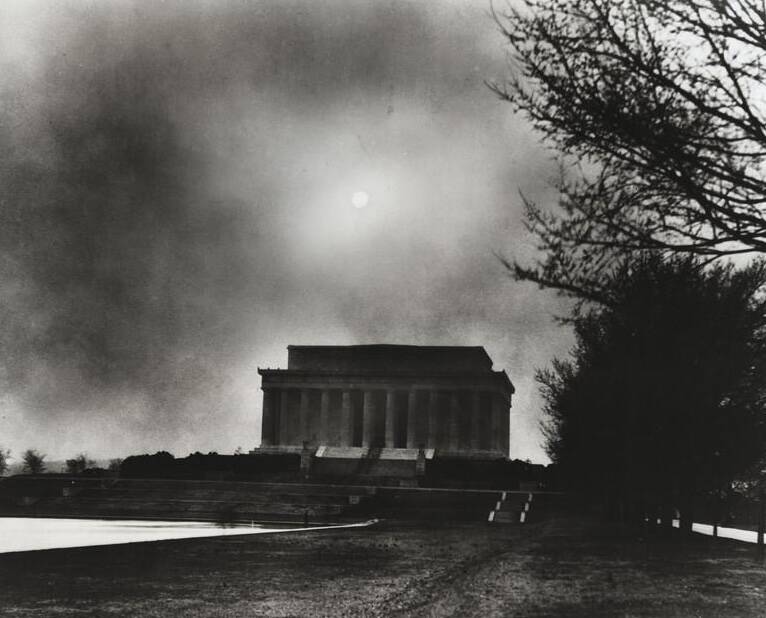
Carson County Square House MuseumSome dust storms were so powerful that they reached the East Coast; here, the sky over the Lincoln Memorial in Washington D.C. darkened.
However, one of the worst storms of the Dust Storm occurred on April 14, 1935; this date is remembered as Black Sunday. According to the National Weather Service, the storm began around 4:00 PM east of Oklahoma and quickly spread into the interior of the state and Texas. Winds blowing at 60 miles per hour created a massive dark tsunami that blotted out the sun.
The impact was like a fine grain of sand thrown at your face, as described by writer Avis D. Carlson in an article in New Republic. People caught in their own yards were searching for the door threshold. Vehicles stopped; because there was no light that could enter that swirling darkness... The nightmare reached its deepest form during the storms. But we cannot escape it on the occasionally bright days and ordinary gray days. We live with dust, we eat it, we sleep with it, allowing it to take our properties and the hope of property from us.
Meanwhile, animals were getting sick and dying, and people were struggling with an illness they called dust pneumonia. Indeed, conditions in the central regions of the United States deteriorated so badly that many people decided to leave. As described in John Steinbeck's 1939 book The Grapes of Wrath, the migrants known as "Okies" packed their belongings and left the American interior. Approximately 2.5 million people migrated from the Dust Storm states (Texas, New Mexico, Colorado, Nebraska, Kansas, and Oklahoma) in search of a better life.
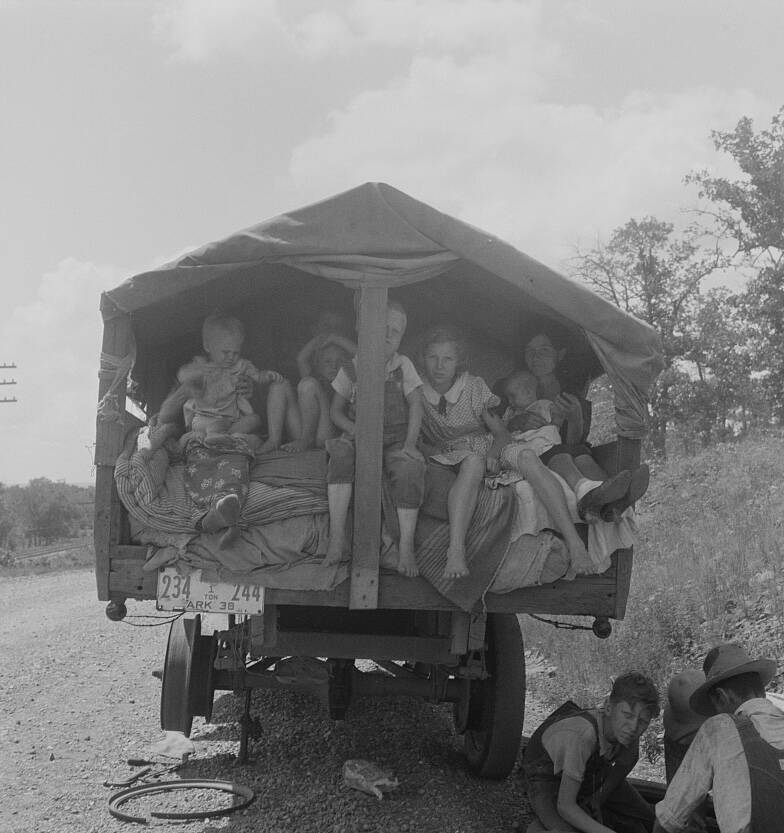
Library of CongressA group of Dust Storm migrants, mostly children, heading from Arkansas to California. 1938.
They did not always find what they were looking for. Okies faced discrimination in places like California and Arizona or found themselves in low-wage jobs. But fortunately, by the end of the decade, the Dust Storm began to subside.
The End of the Dust Storm
In the 1930s, the U.S. government took several measures to alleviate the suffering caused by the Dust Storm. In 1935, the Emergency Relief Appropriation Act provided $525 million for drought relief, and the Works Progress Administration ultimately employed 8.5 million people. Congress also declared soil erosion a national threat and accepted the Soil Erosion Service and the Prairie States Forestry Project that year.
This program paid workers to plant trees and supported farmers implementing soil-conserving agricultural techniques; these included crop rotation and contour plowing. Meanwhile, the much-needed rains that came in 1939 helped restore environmental conditions - a source of relief for millions of farmers.
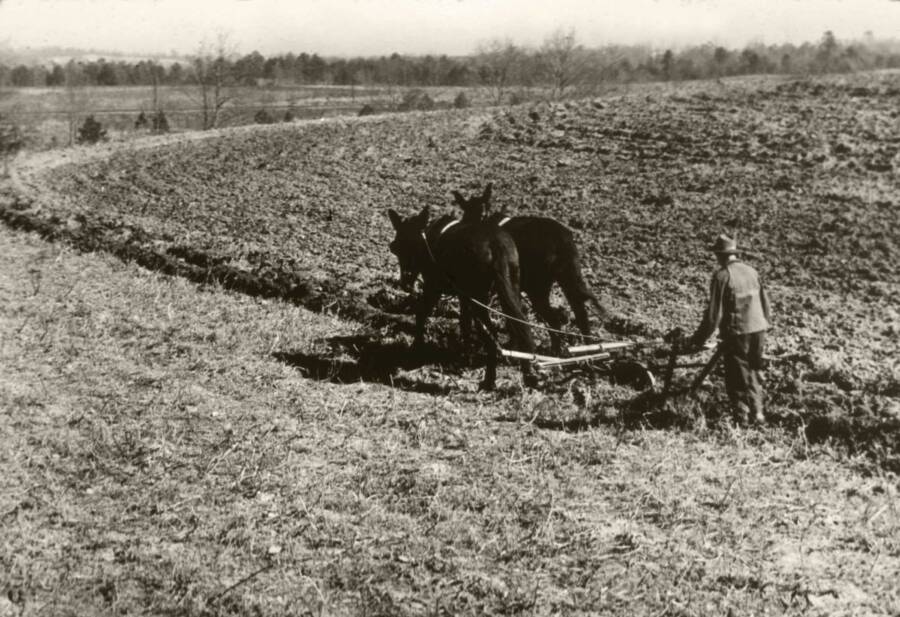
U.S. Department of AgricultureA farmer practicing contour plowing to prevent soil erosion. Around the 1930s.
When it rained, it meant a lot for you; it was a very emotional time. There was no false hope then, as Floyd Coen from Kansas said, when it rained, it meant life itself. It meant a future.
In 1941, the United States also entered World War II, which revitalized the national economy. Economic conditions improved along with ecological conditions, and everything began to return to normal.
After a terrible decade, the Dust Storm had ended.
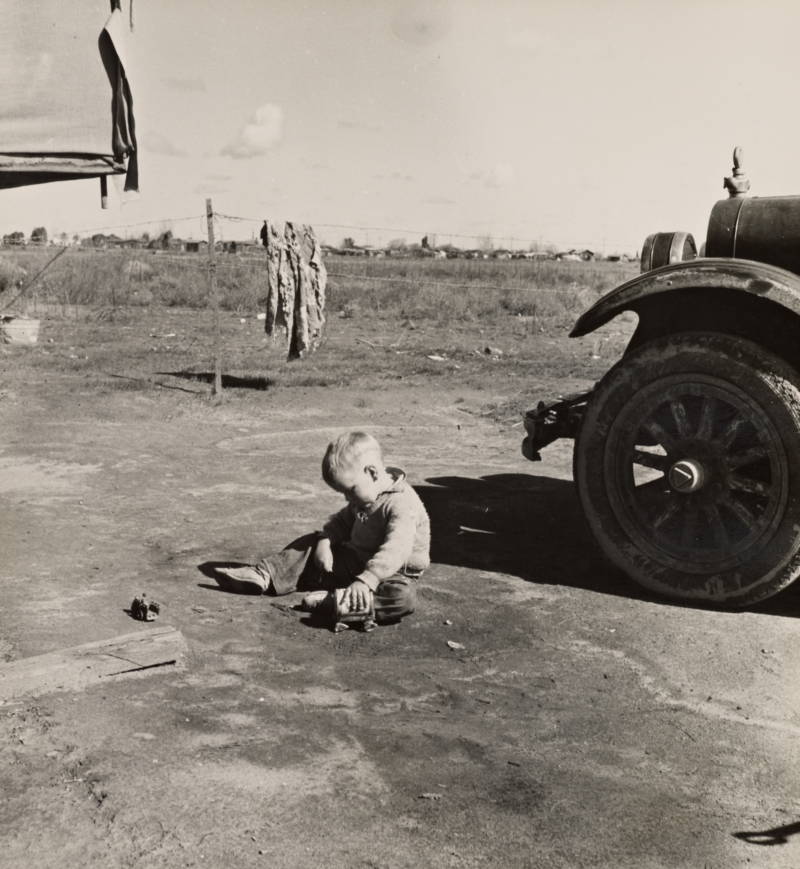
Today, we are faced with the works of Dorothea Lange and a few other photographers; these Dust Storm photos closely depict this devastating American tragedy. In the gallery above, see ghostly landscapes ravaged by massive dust storms, as well as some of the people who went through the environmental disaster.










Comments
(6 Comments)