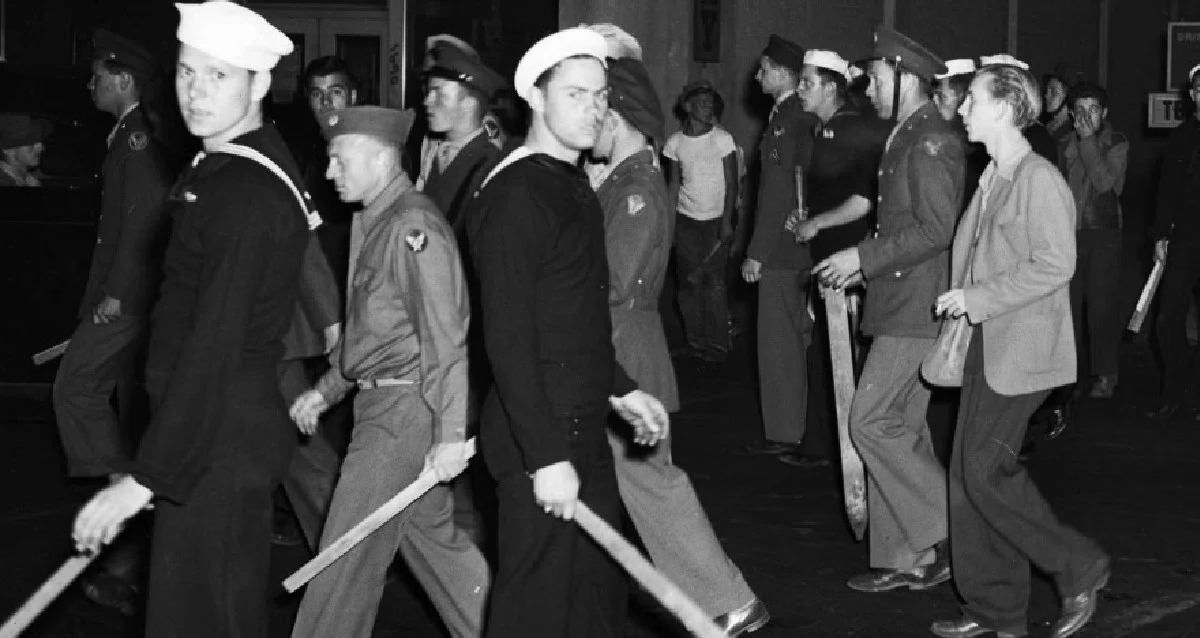
Fashion, War, and Racial Tensions: The Beginning of the Zoot Suit Riots
Zoot suits emerged in the Harlem dance halls of the 1930s. According to Smithsonian Magazine, dancers wore loose, flowing garments that captured their movements, tapering at the wrists. Zoot suits were characterized by large shoulder pads, wide lapels, and high-waisted, baggy trousers, and they quickly spread to the rest of the country.
These garments became popular among young men of color, including young Mexican-American men in Los Angeles. Latino men in the city were known as pachucos and could be easily recognized by their zoot suits and porkpie hats. However, some white citizens viewed pachucos as gang members and street hoodlums.
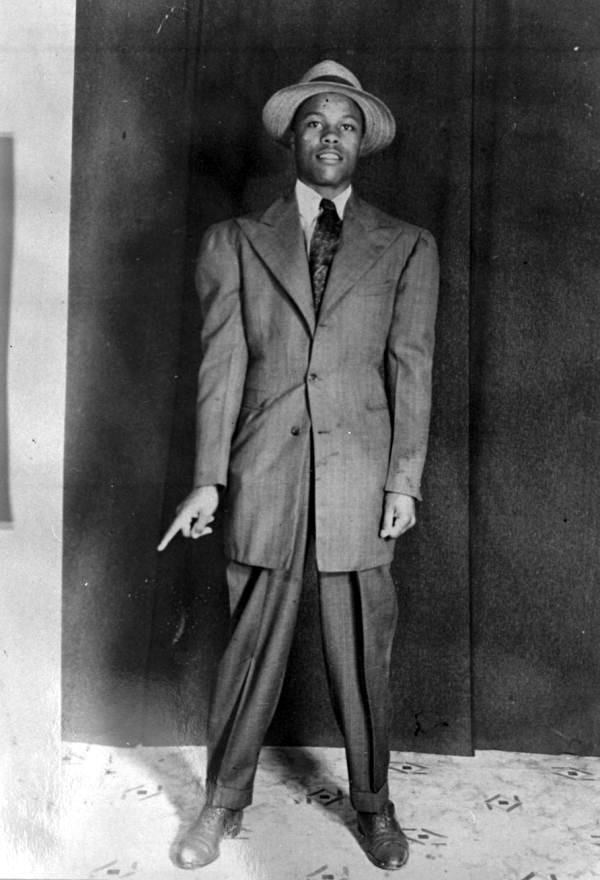
Florida State Library and Archives/Wikimedia CommonsAn man in a zoot suit in 1942. This fashion trend, which emerged in Harlem dance halls, was adopted nationwide.
Indeed, tensions between the two groups were rising. In the first half of the 20th century, both Mexicans and white Americans flocked to Los Angeles in search of better employment opportunities. They competed for jobs and housing, and the city struggled to keep up with its growing population.
When World War II began, tensions between these two groups intensified further. Many white soldiers viewed zoot suits as a waste of fabric during wartime scarcity and mistakenly believed that pachucos wearing them were draft dodgers. (In fact, most pachucos were too young to be drafted.)
Throughout 1943, there were many clashes between white soldiers and Mexican-Americans, but events took a dangerous turn on May 31. On that day, according to the National World War II Museum, a group of white soldiers clashed with a group of Mexican-American youths wearing zoot suits in the Chinatown area, and a white soldier was severely beaten.
Afterward, white soldiers vowed revenge. A few days later, the Zoot Suit riots began.
How the Zoot Suit Riots Developed in Los Angeles
On June 3, 1943, about 50 sailors marched through Los Angeles. Armed with clubs and other weapons, they searched for those in zoot suits and then attacked.
The soldiers beat their victims and tore off their zoot suits. Meanwhile, the Los Angeles police stood by doing nothing, but many Mexican-American victims were arrested on charges of disturbing the peace.
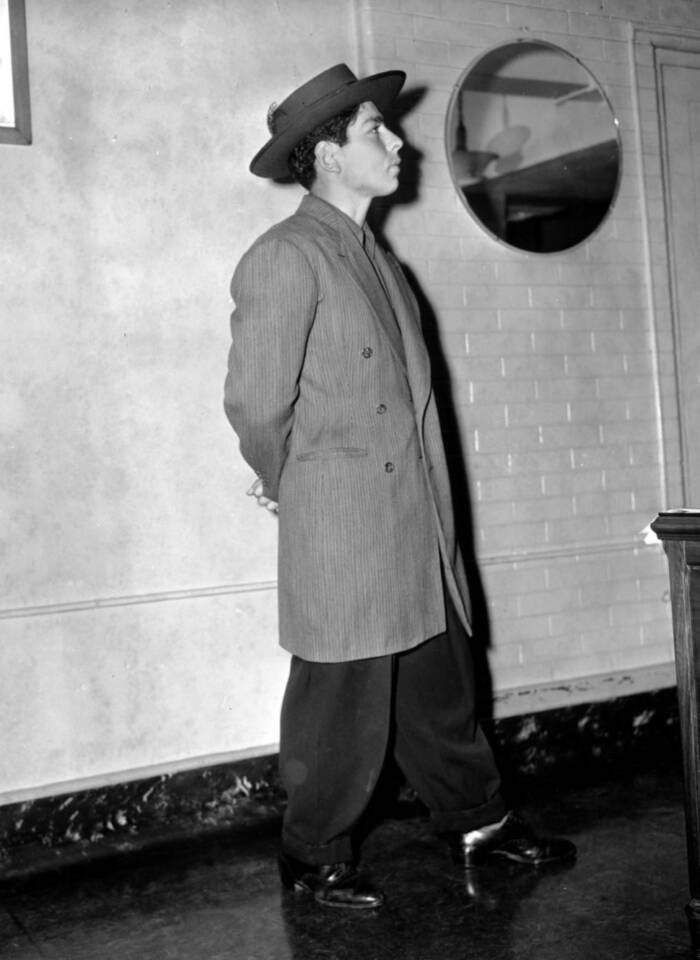
Library of CongressA young man, one of the 600 arrested during the Zoot Suit Riots.
These so-called Zoot Suit Riots spread over the following week; white soldiers - with the participation of white civilians - flooded into downtown Los Angeles. They attacked Mexican-Americans (whether they wore zoot suits or not) and even stormed cafes and cinemas in search of victims. Taxi drivers transported soldiers around the city for free, and local newspapers praised the beatings, describing the club-wielding white soldiers as a revenge gang.
But others saw the Zoot Suit Riots for what they were: a mass lynching.
Journalist Carey McWilliams reported that thousands of Los Angeles residents gathered for a mass lynching during the Zoot Suit Riots.
A group of soldiers, sailors, and civilians were described as stopping streetcars, pulling young men of color from their seats, and beating them with sadistic rage. McWilliams wrote that the crowd was searching for every person in a zoot suit they could find.
Indeed, as McWilliams noted, the Zoot Suit Riots were no longer limited to Mexican-Americans. The crowd attacked every man of color, whether he wore a zoot suit or not, and in one of the worst moments of the riot, they gouged the eye of a Black defense factory worker.
The End of Violent Racial Riots
After a week of horrific violence, the Zoot Suit riots finally ended on June 8, 1943. Subsequently, the Western Defense Command's Southern Sector prohibited soldiers, sailors, and Marines from entering Los Angeles. The Los Angeles City Council also banned the wearing of zoot suits.
However, an investigation into the Zoot Suit riots acknowledged that these events were fueled by racial prejudice, and First Lady Eleanor Roosevelt stated that the racial issues in the country had grown and needed to be addressed. Nevertheless, it took 80 years for the Los Angeles County Board of Supervisors to officially condemn the Zoot Suit Riots.
What about the zoot suits themselves? Like any trend, they eventually went out of style. Indeed, Smithsonian Magazine reports that zoot suits are extremely hard to find today, noting that the Los Angeles County Museum of Art had to search for a decade and spend $80,000 to add one to its collection.
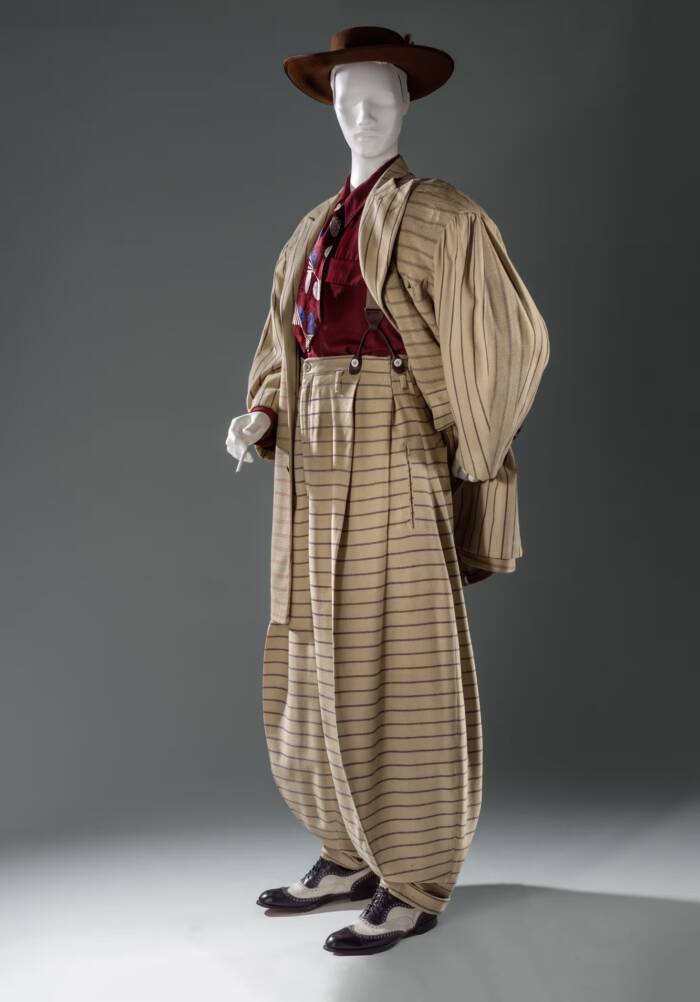
LACMAA zoot suit acquired by the Los Angeles County Museum of Art.
However, the memory of the Zoot Suit Riots should not be forgotten.
For a week in 1943, the appearance of zoot suits triggered horrific violence in the city of Los Angeles. The riots were ultimately not just about fashion; they were fueled by racism, war, and prejudice.




Comments
(5 Comments)