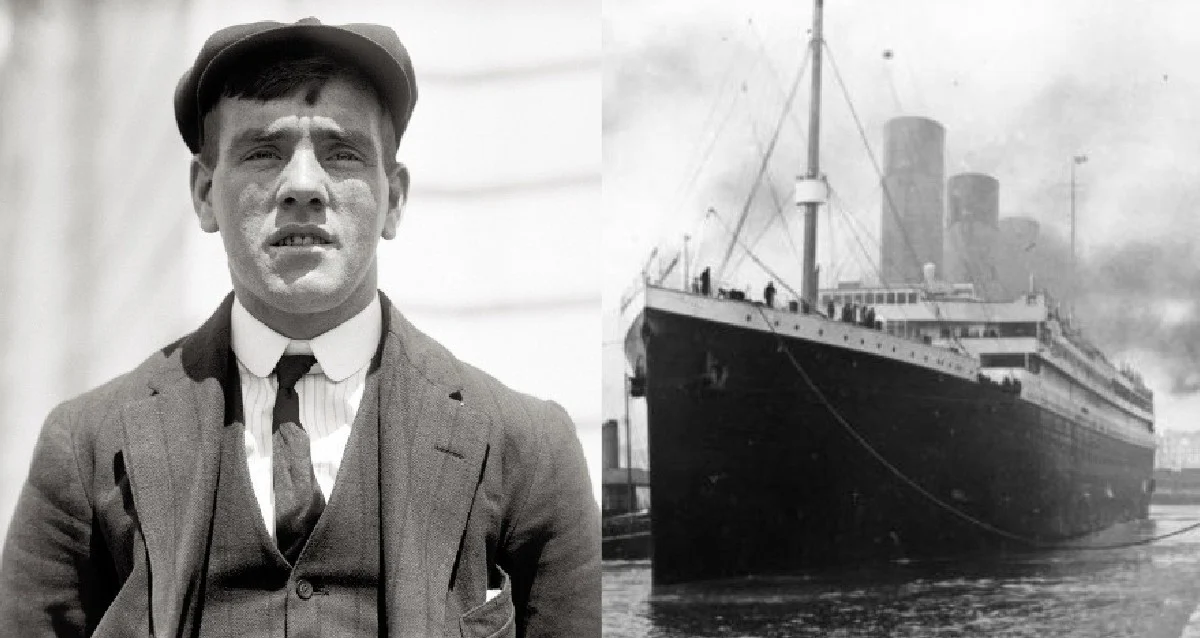
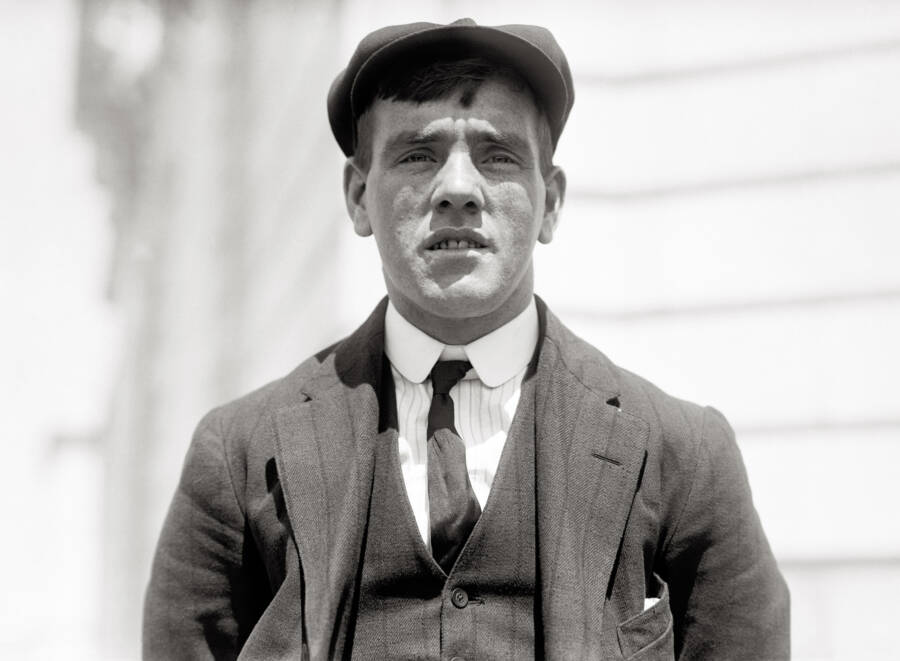
Wikimedia CommonsLookout Frederick Fleet was the first person to see the iceberg of the Titanic.
On the night of April 14, 1912, Frederick Fleet was keeping watch with his eyes fixed on the calm, dark waters of the North Atlantic. At that moment, from the lookout nest of the Titanic, Fleet saw a "black mass" in the dark sea. It was an iceberg, and the ship was heading straight for it.
As one of the two lookouts in the Titanic's lookout nest, Fleet quickly sprang into action. He rang the ship's bell and famously shouted into the phone to the bridge, "Iceberg, right ahead!" Almost immediately afterward, the ship began to turn to the left.
Initially, it seemed that the Titanic had narrowly escaped disaster. Fleet watched as the iceberg scraped along the side of the ship and saw pieces of ice falling onto the deck. However, it soon became clear that the ship was sinking.
Fleet managed to survive when the ship sank. However, the tragedy of the Titanic would haunt him for the rest of his life.
The Path of Frederick Fleet to the Titanic
Born on October 15, 1887, in Liverpool, Frederick Fleet grew up in a foster family. He never knew his father, and his mother left him at a young age. According to Encyclopedia Titanic, he was sent to a training ship at the age of 12. From that moment on, Fleet developed a career as a sailor.
By rising through the ranks, he moved from the position of "deck boy" to "Able Seaman." In 1908, Fleet began working on the RMS Oceanic, built by White Star Line like the Titanic, and made regular voyages between England and New York. Over the years, Fleet honed his skills as a ship's lookout.
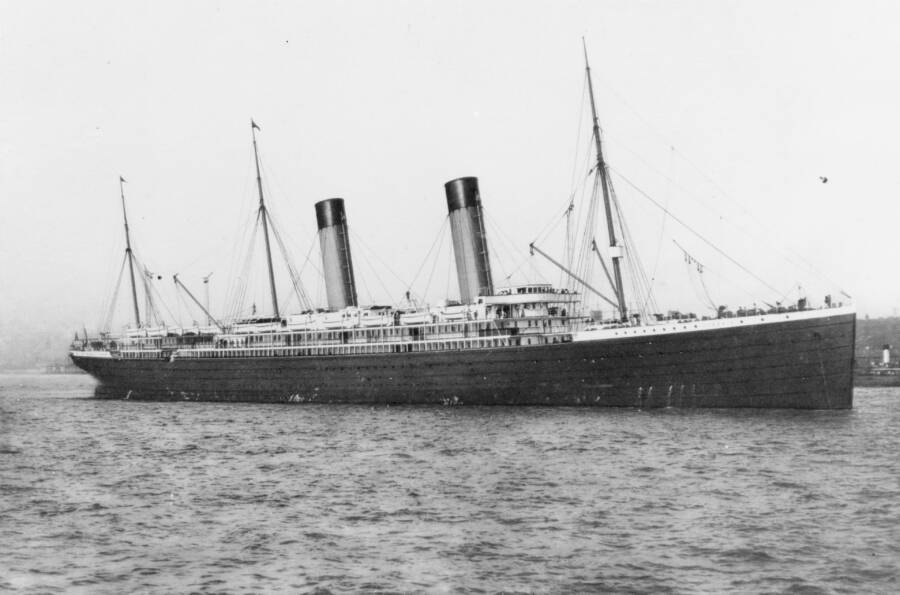
Public DomainThe RMS Oceanic, where Frederick Fleet worked before joining the Titanic crew.
Eventually, in 1912, Fleet joined the crew of the RMS Titanic. At that time, the Titanic was the largest ship in the world and was filled with incredible amenities such as swimming pools, Turkish baths, squash courts, and even a ship gym.
Like on the Oceanic, Fleet would again be a lookout. But neither he nor the others on board could have predicted that the Titanic's voyage would end in disaster.
‘Iceberg, Right Ahead!’: The Final Moments of the Titanic
The Titanic set sail on its maiden voyage from Southampton to New York on April 10, 1912. Fleet was one of six lookouts and worked two-hour shifts in pairs. Their duties were to climb to the lookout nest of the Titanic (90 feet high) and scan for dangers at sea.
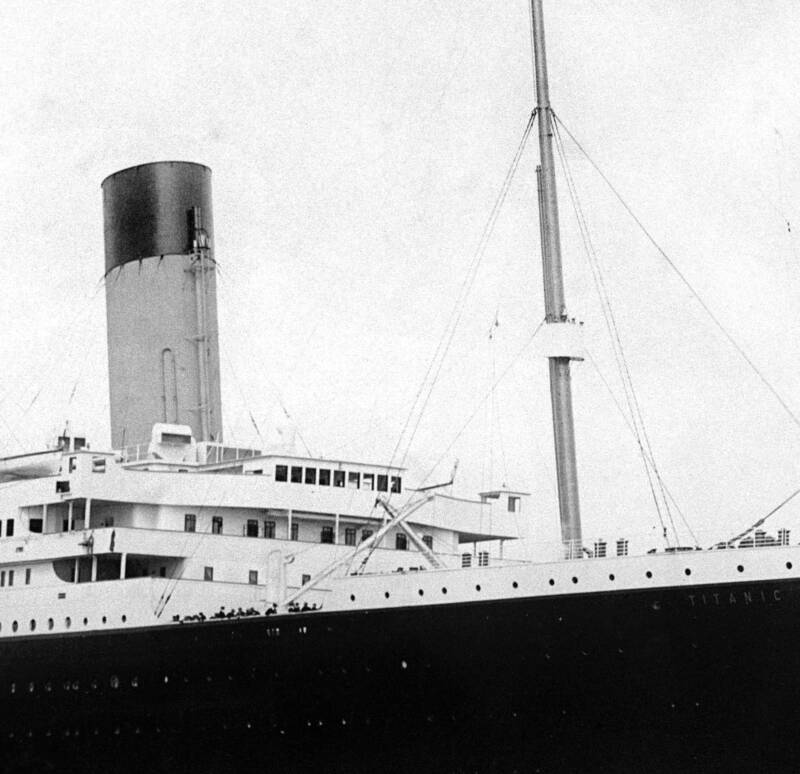
Wikimedia CommonsThe lookout nest was located in the middle of the Titanic's mast. From that position, lookouts scanned the horizon for dangers.
On the night of April 14, 1912, Frederick Fleet climbed to the lookout nest to begin his shift at 10 PM. He was accompanied by fellow lookout Reginald Lee. After relieving the two other lookouts, they advised them to "be careful for small ice." The sea was filled with ice that night. Several nearby ships, like the SS Californian, had decided not to sail until morning.
Towards the end of his shift, Fleet later stated that he saw "a large black object above the water."
Fleet knew what it was: an iceberg. He quickly sprang into action, ringing the bell three times — a signal for an iceberg — and immediately called the bridge.
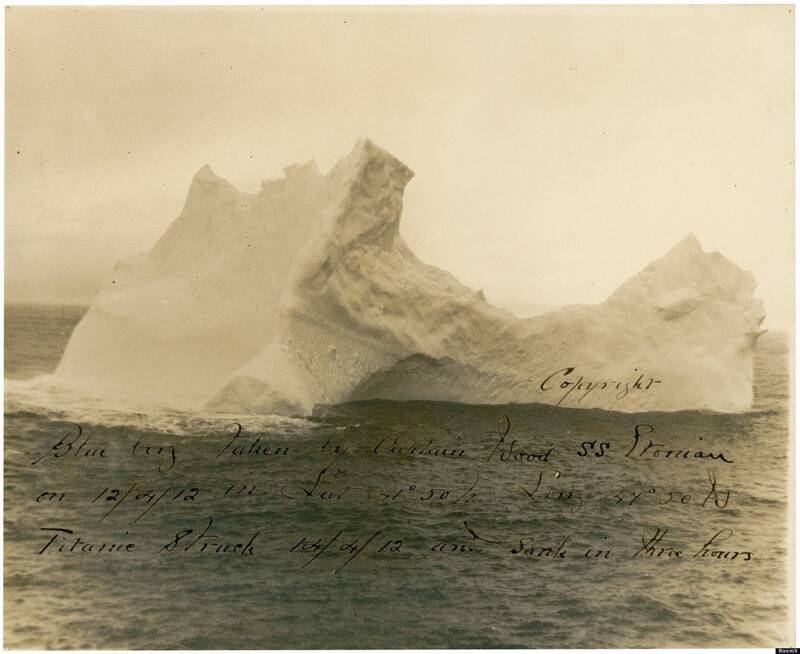
Public DomainA possible photograph of the iceberg that sank the Titanic, taken on April 12, 1912.
"Iceberg," Fleet famously declared. "Right ahead!"
The bridge crew sprang into action. According to Fleet, the ship began to turn to the left even while he was speaking on the phone. But it was not enough. Fleet watched as the ship's starboard side scraped against the iceberg and heard "a slight grinding sound." The collision caused pieces of ice to rain down onto the deck.
"I thought I had escaped by a hair's breadth," Fleet expressed.
But the collision was more devastating than he realized. The ship began to sink, and those on board were warned to head for the lifeboats. Fleet took charge of Lifeboat No. 6, which was carrying several passengers, including Molly Brown.
In horror, the Titanic sank into the sea. Frederick Fleet and the other Titanic survivors were rescued the next morning by the RMS Carpathia.
Investigating the Sinking of the Titanic
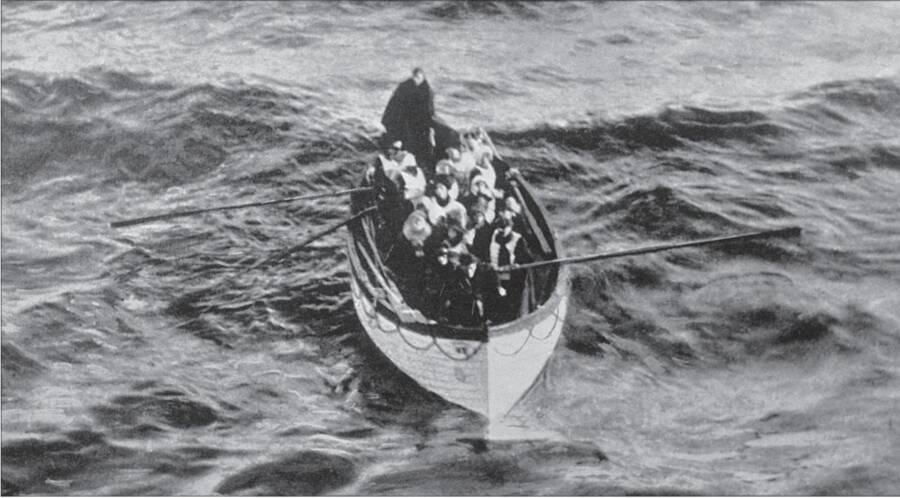
National ArchivesFrederick Fleet helped load two lifeboats and was assigned to row Lifeboat No. 6, which primarily carried women.
After the sinking of the Titanic, the public was looking for someone to blame. Why did the Titanic sink? Could this tragedy have been prevented?
Both a British inquiry and an American inquiry sought to answer this question. Investigators interviewed many people regarding the sinking of the Titanic, including Frederick Fleet.
In his testimony before the U.S. Senate, Fleet recounted seeing the iceberg (the "black mass") and immediately raising the alarm. He also admitted during the inquiry that the other lookouts on the Titanic had not been provided with binoculars, despite having requested them in Southampton.
"There were none on this trip. We had to look with our own eyes," Fleet replied, explaining that he had used binoculars on the Oceanic.
"If there had been binoculars on the Titanic," he continued, "we might have seen the iceberg a little earlier... just enough to be able to avoid it."
It appeared that the Titanic lookouts were supposed to have binoculars. However, they had been kept in a locked cabinet, and the officer who had the key forgot to return it when he left the ship.
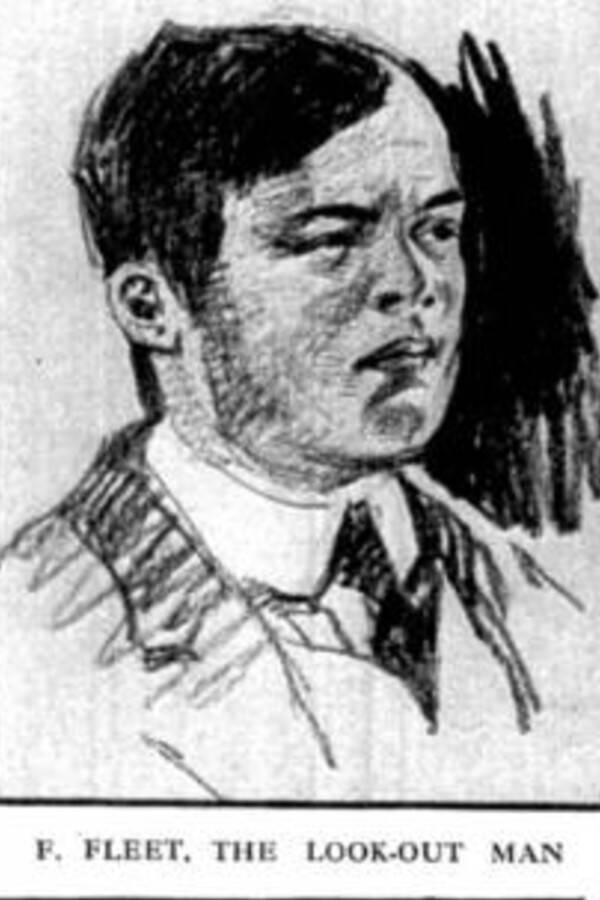
Wikimedia CommonsIn his Senate testimony, Frederick Fleet stated that the binoculars could have prevented the tragedy.
Whether the binoculars could have prevented the tragedy is open to debate. Indeed, the reasons behind the sinking of the Titanic are still disputed today; some blame the ship's captain Edward Smith, while others claim that the sinking was actually part of a conspiracy theory.
Frederick Fleet's Life After the Sinking of the Titanic
Two months after the Titanic sank, Frederick Fleet set sail on the Titanic's sister ship, the Olympic. However, Fleet noticed that the surviving crew from the Titanic was treated differently by other sailors. They were a grim reminder of the disaster in which 1,500 people died.
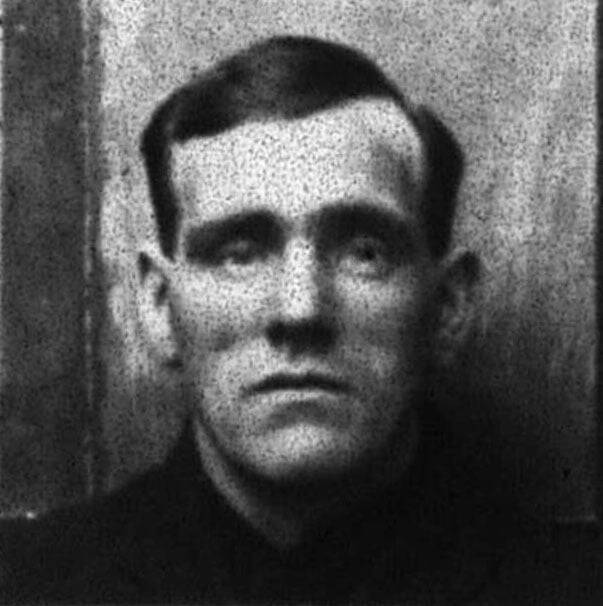
Encyclopedia TitanicaAfter surviving the Titanic, Frederick Fleet continued to work on ships for most of his career.
By the end of the summer, Fleet left White Star. He spent the next twenty years sailing with other companies and, after retiring from the sea in 1936, worked as a shipbuilder and coast guard officer. During this time, Fleet got married and had a daughter.
However, the end of his life came tragically.
After his wife died, Fleet was evicted from his home. Two weeks later, in January 1965, Frederick Fleet committed suicide at the age of 77.
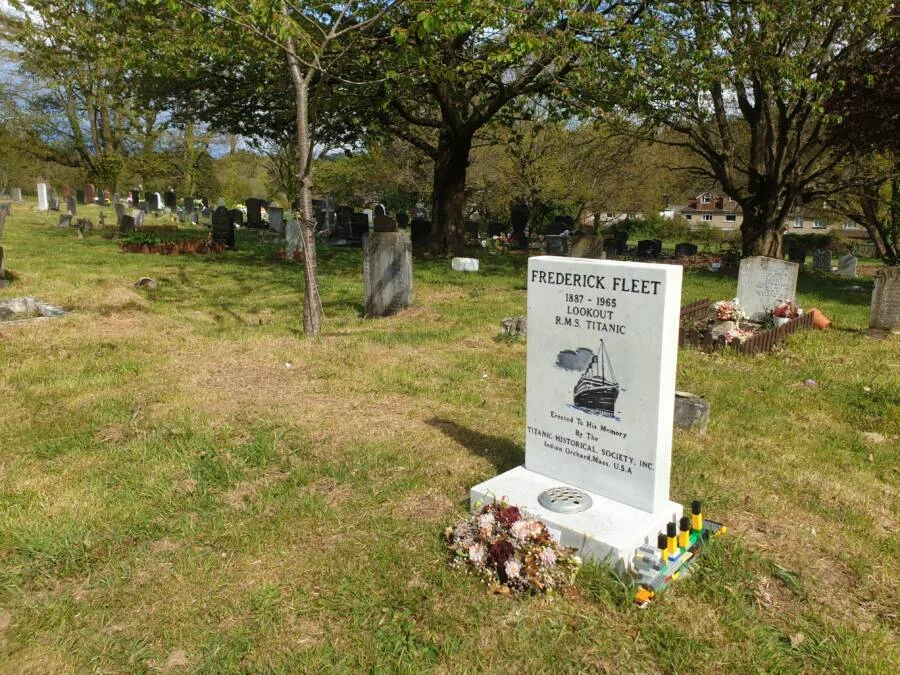
Wikimedia CommonsFrederick Fleet's grave in Southampton, England.
Initially, he was buried in an unmarked grave. The Titanic Historical Society had a headstone made to mark his grave in Southampton in 1993.





Comments
(1 Comment)