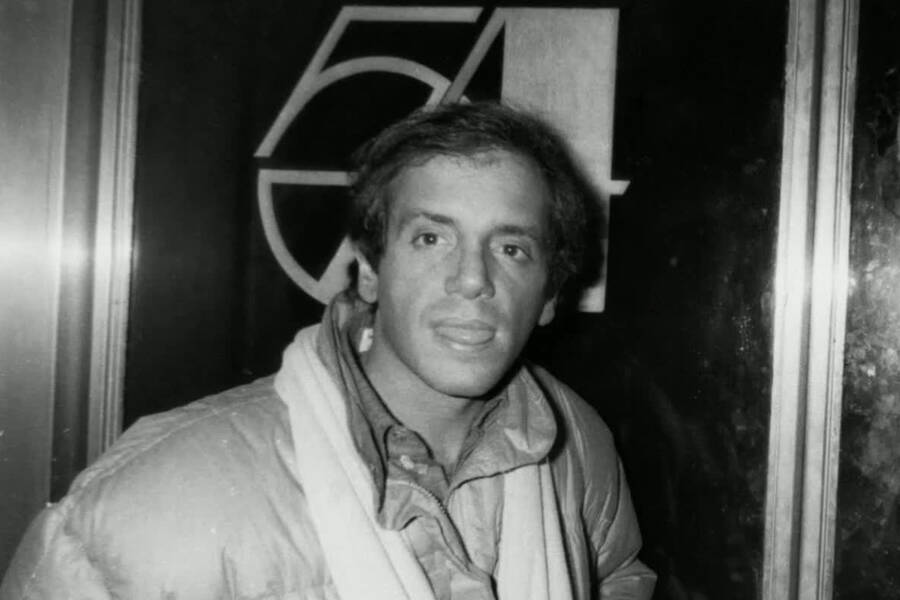
Studio 54/Kino LorberSteve Rubell in front of Studio 54.
For most people today, his name means little, but for those who spent their youth in New York in the late 1970s, Steve Rubell was a legend. The nightclub Studio 54 in Manhattan had become a venue that made the world envious — at least for the young, dancers, and celebrities who felt the need to party freely.
Studio 54 became a true oasis of music, drugs, and racial harmony for everyone from rock stars to artists and politicians. Frequent visitors included Bianca Jagger, Cher, Andy Warhol, and Liza Minnelli. The club also hosted some of the world's most famous stars, such as John Lennon and Michael Jackson.
However, despite Rubell's undeniable historical impact, Studio 54 did not survive the decade. In 1979, they were charged with tax evasion as a result of an investigation into their famous club. Rubell and his partner Ian Schrager served over a year in prison, and after Rubell was released, he tried to slowly rebuild his career, but none of his ventures achieved the same level of success as Studio 54.
This is the story of how Steve Rubell's life collapsed after spending three brief years as the king of disco paradise.
Steve Rubell's Early Life
Steve Rubell was born on December 2, 1943, in New York. He grew up in a Jewish family in Brooklyn and studied finance at Syracuse University. There, he met Ian Schrager, a member of the Sigma Alpha Mu fraternity.
After earning his master's degree, he joined the New York National Guard to avoid being drafted into the Vietnam War. After a short stint at a brokerage firm, Rubell began his entrepreneurial career by operating two Steak Loft franchise restaurants.
However, Steve Rubell wanted more than just selling food to hungry tourists. Therefore, in the mid-1970s, he decided to enter the disco market with his old friend Schrager. Schrager said in an interview with New York magazine in 1998, "We opened Enchanted Garden [a youth disco in Queens] in December 1976. It didn’t take much to get in, so we said, 'Let’s open a nightclub.'"

Adam Scull/PHOTOlink/Alamy Stock PhotoSetting up Studio 54 before the grand opening of the nightclub in 1977.
Rubell and Schrager rented an old CBS studio on West 54th Street, and in April 1977, Studio 54 opened its doors.
The Brief Reign of Studio 54
While most of the popular New York nightclubs at the time offered flashy interiors or exclusive VIP areas, Studio 54 stood out spontaneously. Rubell decided on the spot who could enter by standing outside every night. If he liked a patron's style, energy, and aura, he would let them pass beyond the club's famous velvet rope.
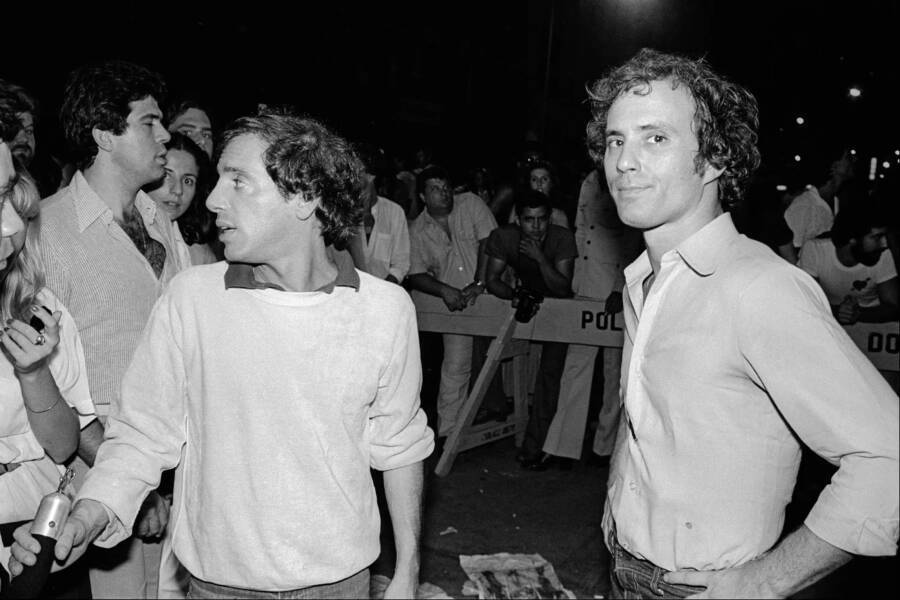
Zeitgeist FilmsSteve Rubell and Ian Schrager checking guests outside the nightclub in July 1978.
“We only wanted party people,” Schrager said in an interview with the Hospitality Design podcast in 2019. “It wasn’t about wealth, race, faith, or color… We wanted people who could party, a place where women could come and have fun without being bothered. A celebrity had to be able to come and have fun without being asked for an autograph.”
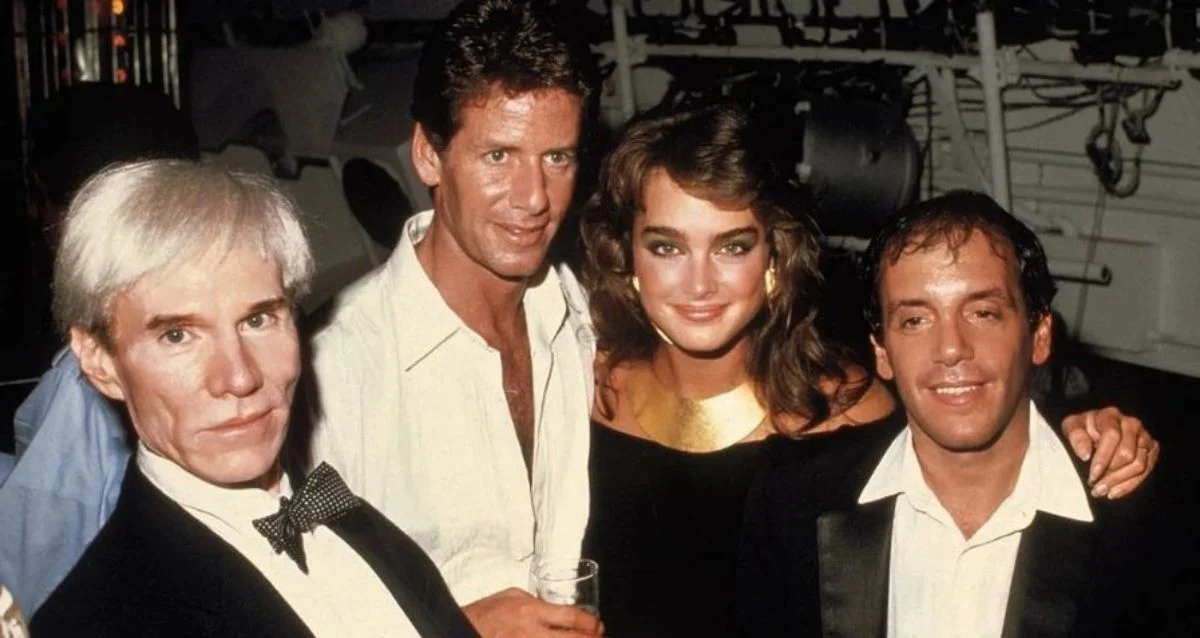
The results were a historic success, attracting some of the most legendary names in music, cinema, and culture. In no time, Studio 54 became the place to be in New York. Names like Mick and Bianca Jagger, Oscar-winning actress Liza Minnelli, and the king of pop art Andy Warhol were often seen there alongside celebrities like Calvin Klein, Elizabeth Taylor, Barbra Streisand, and Brooke Shields.
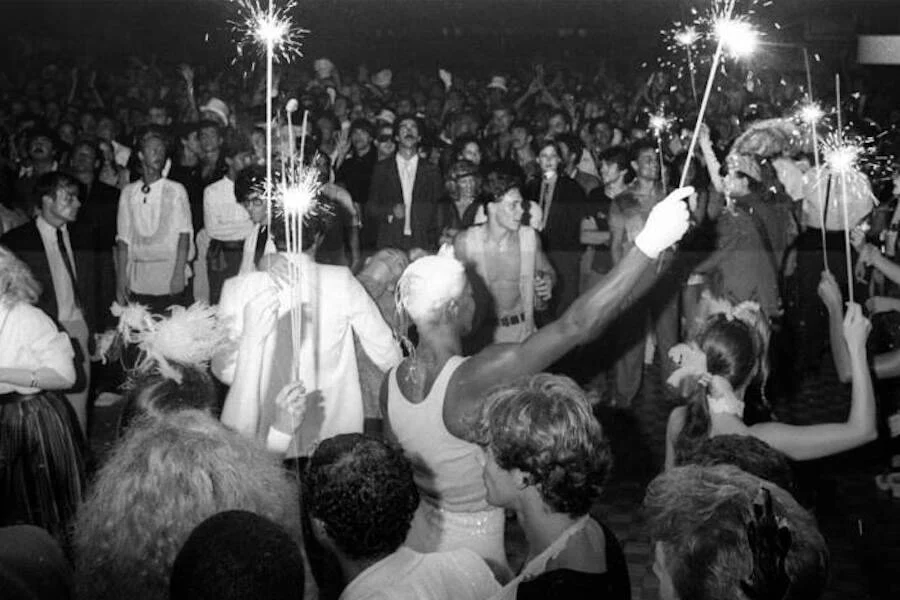
John Barrett/PHOTOlink/Alamy Stock PhotoA lively night at Studio 54 in 1978.
Studio 54 was not just a nightclub; it was a paradise for those who were there.
Then, in 1978, Steve Rubell boasted in an interview with New York, “Only the mafia does it better, but don’t tell anyone.” This comment, along with claims that the club made $7 million in its first year, triggered an investigation: the business's tax returns did not match the declarations.
On December 14, 1978, federal agents raided Studio 54. This was the beginning of the end.
The Day the Party Ended
According to an article published in The New York Times in 1980, the raid revealed that Schrager and Rubell had "systematically stolen 40 to 60 percent of Studio 54's revenues," and they were found to have evaded over $400,000 in taxes.
The men tried to avoid prosecution by informing on Hamilton Jordan, President Jimmy Carter's chief of staff, claiming he used cocaine at the club, but they were eventually found guilty and sentenced to three and a half years in prison.
Just days before going to prison in February 1980, Ian Schrager and Steve Rubell threw a grand farewell party at Studio 54 themed "The End of Modern Day Gomorrah." Diana Ross performed, and according to a report by Rolling Stone in 2017, one attendee said, "Steve was in a really good headspace. Bianca [Jagger] was hugging him, and he was saying, 'I love you! I don’t know what I’ll do without Studio!'"
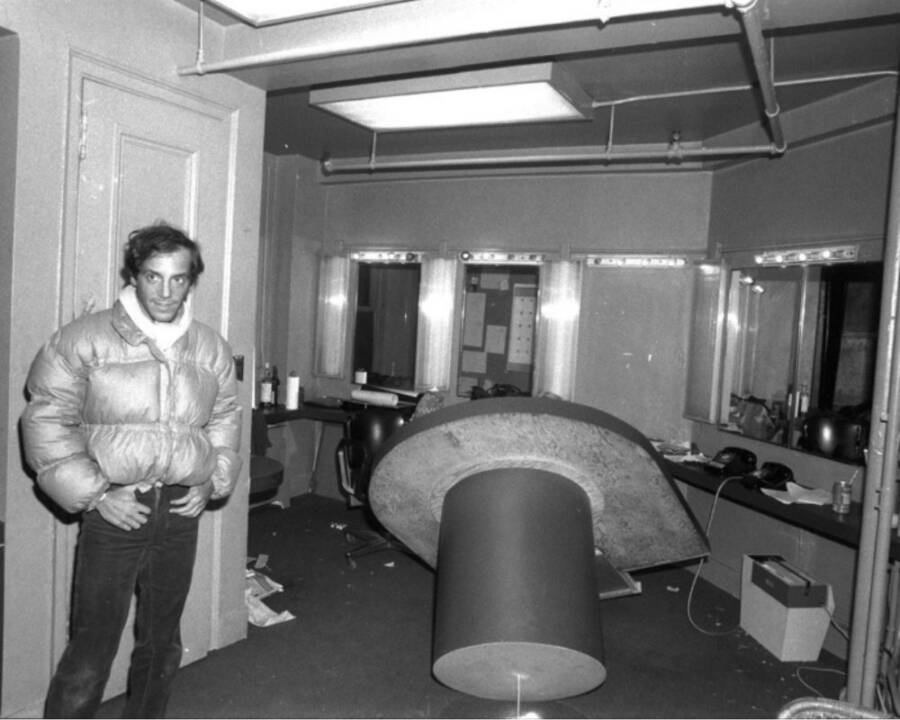
Getty Images/Charles RuppmannSteve Rubell stands in a looted office at Studio 54 in December 1978 when authorities raided the club.
And thus, the three-year reign of Studio 54 ended dramatically.
Steve Rubell's Later Years
Rubell was released from prison just 14 months later, but he never returned to Studio 54. Rubell and Schrager sold the club in December 1980, and despite many new business attempts throughout the 1980s, none achieved the same success as their beloved disco.
They first opened a series of hotels and then transformed an old cinema and concert hall into a nightclub called Palladium in 1985. Within the year it opened, Steve Rubell was diagnosed as HIV positive.
Rubell had never openly disclosed his sexual identity to anyone, but his sexuality was an open secret. And like many other gay men of that time, he fell victim to the AIDS epidemic that swept the country in the 1980s.
Four years later, he passed away at the age of 45.
Rubell's opponents and critics associated his death from AIDS with the dangers of drugs and excess, using the famous nightclub as a shameful lesson, but his own people — artists, dancers, actors, painters, rock stars, DJs, and kids who spent their youth at Studio 54 — remembered him as their brother.
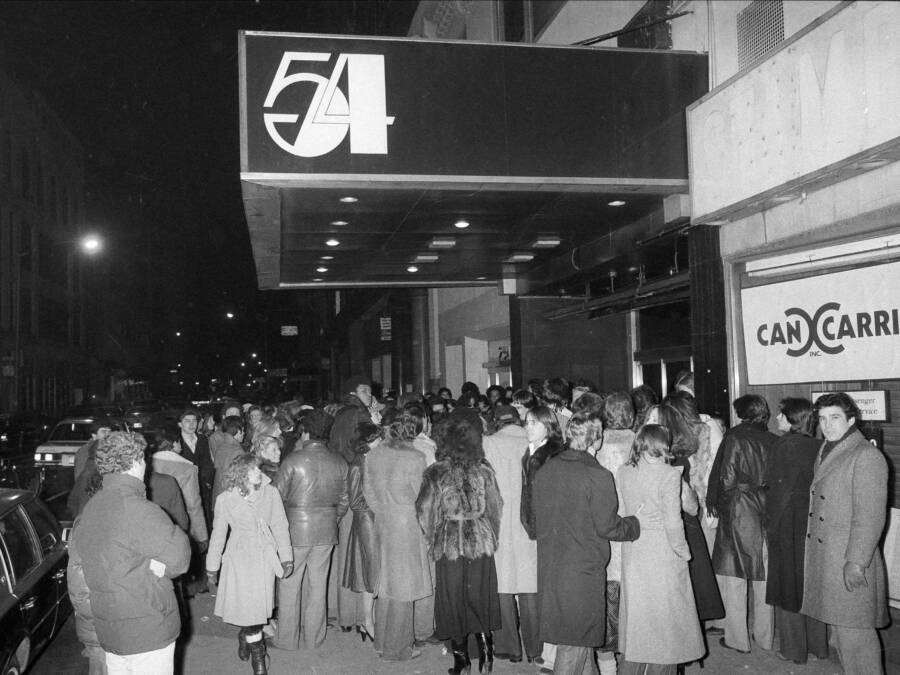
Album/Alamy Stock PhotoCrowds waiting to enter in front of Studio 54.
Studio 54 closed long ago, but its legacy has stood the test of time. It was featured in the award-winning graphic novel Watchmen, inspired the 1998 film 54, and became the number one place for the most famous artists of the 20th century to party.
The club operated in its original form for only a few short years, but Studio 54 made a unique impact on modern nightlife, fashion, and celebrity culture, and that impact has lasted for decades, encouraging today's entrepreneurs to focus on the people they want to build their world for.

























Comments
(8 Comments)