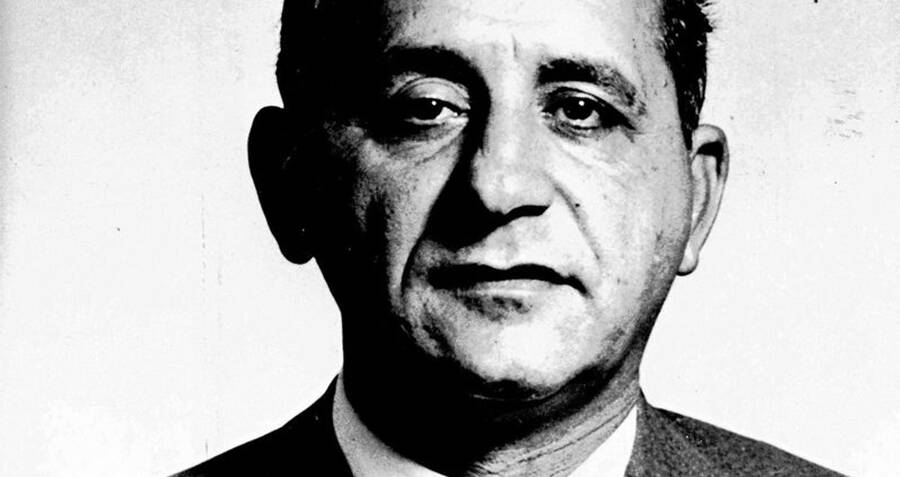
In 20th century America, powerful mafia leaders proliferated, but their influence did not remain confined to the underworld.
From Santo Trafficante Jr., who is thought to have been part of a conspiracy to poison Fidel Castro with a milkshake, to Lucky Luciano, who helped the U.S. during World War II with organized labor at city ports, there were mafia members believed to be connected to the highest levels of the U.S. government.
However, perhaps the most interesting criminal figure with ties to the government is Sam Giancana. The boss of Chicago rose from petty crime to a fraud empire and ultimately became a CIA partner, which eventually led to his own disgraceful end. Even more interesting is the close association of his name with the death of John F. Kennedy Jr.
It is well known that the mafia likely helped elect JFK, but not everyone knows that America’s most beloved playboy was actually friends with Giancana. It is likely that Kennedy and the mafia boss had relationships with the same women, such as Judith Exner, Phyllis McGuire, and even Marilyn Monroe. So how did this friendship end with the bloody murder of both men?
Sam Giancana’s Sad Family Life
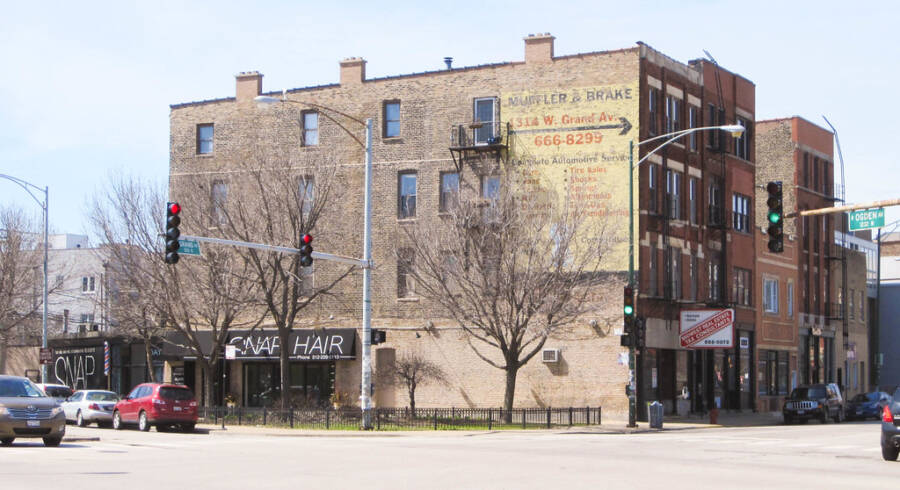
Stephen Hogan/FlickrThe former location of Sam Giancana's venue in Chicago, Patsy’s Restaurant.
Salvatore Giancana was born on June 15, 1908, in Chicago, Illinois, as Gilormo Giancana. The son of Sicilian immigrants, Giancana was baptized as Momo Salvatore Giancana and grew up in a tough family environment known as The Patch in Chicago’s Little Italy neighborhood.
According to Giancana's biography titled Double Cross, written by his half-brother Charles and godson, Giancana was a rebellious child from the start. His father, Antonio, would chain Giancana to an oak tree in their backyard when he misbehaved. Then, he would beat him with a razor strap.
When Giancana, known as “Sam,” eventually begged for mercy, Antonio would leave him alone for a few hours. Eventually, Antonio would free him from the chains and “allow” the child to sleep the night in the family kitchen. His mother was not there to protect him, as she had died when he was still a baby. Therefore, it is not surprising that Sam Giancana grew up filled with anger.
Giancana continued to be a rebellious student in school and was sent to a reform school at the age of ten. His father remarried shortly thereafter, and step-siblings began to fill the home - except for Giancana's beloved full sister Lena.
Quickly, it seemed there was little room left for him at home. As a result, the truant Giancana met a tough group known as the “42 Gang.”
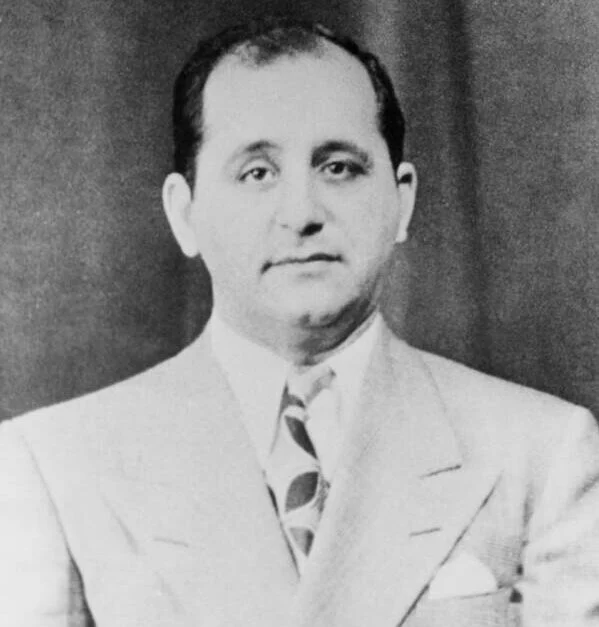
Getty ImagesSam “Momo” Giancana during his time as the second leader of the Chicago crime syndicate.
In the 1920s and 1930s, the 42 Gang, consisting mostly of Italian kids and young men, ruled the West Side of the Windy City. The gang robbed wealthy women, committed murders, stole cars for parts, and bootlegged alcohol during Prohibition. Giancana was arrested for the first time at the age of 17 for car theft, and by the time he turned 20, he had been in jail several times and was suspected of involvement in three murders (though he was never tried on those charges).
Sam Giancana quickly gained power within the 42 Gang.
Another gangster, Tony Montana, told the Los Angeles Times in 2014:
“He was involved in some business with a group of guys, including Milwaukee Phil and the English brothers, robbing and threatening so many places that Capone took notice.”
This meeting with Al Capone allowed Sam Giancana’s criminal career to reach new heights.
Sam Giancana’s Rapid Rise in Chicago
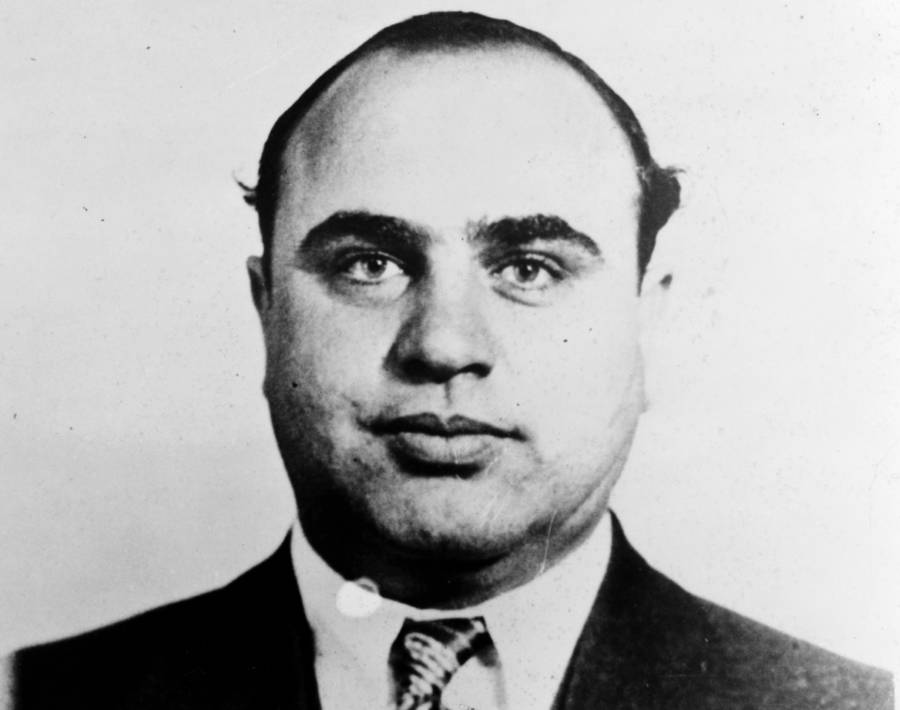
Wikimedia CommonsAn arrest photo of Al Capone from the 1930s.
Sam Giancana left the 42 Gang behind and became a driver in Al Capone's bootlegging operation.
He served as an escape driver for Capone and his associates “Machine Gun” McGurn and Tony “Big Tuna” Accardo. In an obituary written for New York Magazine in 1975, it was noted that these two mafia leaders likely had significant roles in Capone's infamous St. Valentine’s Day Massacre.
Giancana avoided being drafted into World War II after being deemed a “constitutional psychopath” by a Selective Service psychologist. He participated in the war effort in his own way by producing counterfeit ration stamps and selling them at inflated prices.
In the early 1940s, Giancana was arrested once again. While locked up, he met a man respected by other inmates: an African-American named Eddie Jones. Giancana became friends with Jones and listened to everything he said about his illegal gambling operations within the African-American community. These operations were referred to as “policy gambling” and were described as a lottery for Chicago's lower classes; a 2013 Chicago Tribune article referred to them as “the Monte Carlo of the working class, the Las Vegas of the destitute.”
Naturally, Sam Giancana wanted to get involved in this business, and after his release in 1942, he convinced Accardo to help him take over these gambling houses, which were making tens of millions of dollars annually. In doing so, Giancana terrorized the black community on Chicago's South Side.
It began in 1946 with the kidnapping of his old friend Eddie Jones. Giancana caught Jones outdoors - in fact, in front of his wife and secretary - and pushed him against a valve. The police began to chase Giancana; his associates opened fire, even injuring an officer.
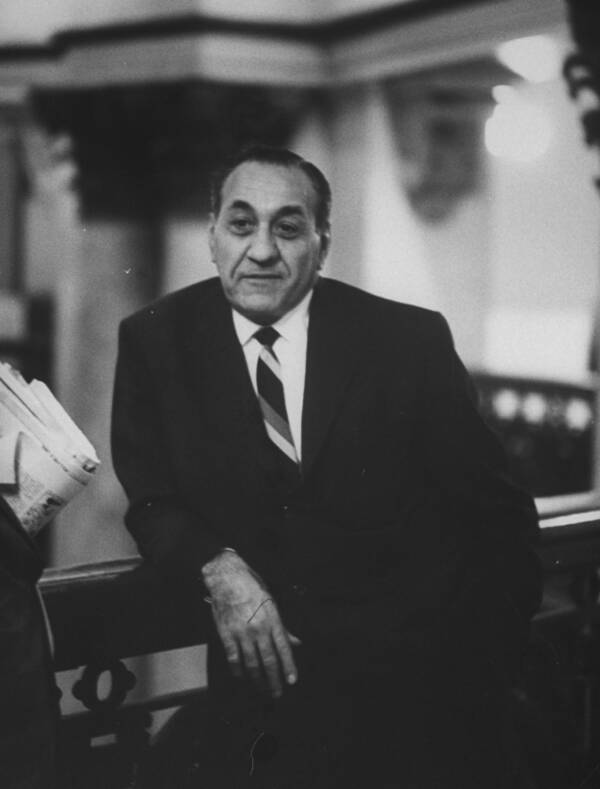
Francis Miller/The LIFE Picture Collection via Getty ImagesAnthony Accardo in a tax evasion case.
For a ransom of $100,000, Jones and his brother agreed to leave the policy gambling operation to their partners Teddy Roe and Giancana. Within the same year, an attempt to kidnap Roe failed, but Roe refused to back down against the Italian organized crime syndicate. In 1952, Giancana and his gang killed Roe, who was the last major opposition to their control of Chicago's policy gambling.
By the mid-decade, Giancana had become the head of Chicago's gangs, especially since Al Capone had died five years earlier and his close friend Accardo had stepped down. He was now at the top.
A Possible Friendship
Despite being married with three daughters, Sam Giancana would be known as a womanizer. His wife died in 1954, leaving him to care for their children alone. The mafia leader never remarried but had many mistresses.
Through his friendship with Frank Sinatra and his married mistress Judith Exner, Giancana met another American playboy: John F. Kennedy Jr.
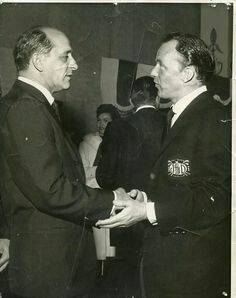
LA TimesOn the right, Frank Sinatra with Sam Giancana.
In fact, there were rumors that the stunning Exner had a connection between JFK and organized crime. In 1988, Exner recounted a meeting between the two - a meeting she had arranged. Exner said:
“It was a brief meeting, early in the evening. Sam came first, then Jack came in and hugged me and said, ‘I’m sorry, I can’t stay with you tonight.’ He had come to town for a Democratic Party dinner. Then he went and shook Sam’s hand. Sam said hello; he called him Jack, not President. I asked them if they wanted me to leave. Jack said, ‘No, I don’t want you to go.’ I thought he didn’t want to be seen leaving the room. To give them privacy, I went to the bathroom, sat on the edge of the tub, and waited for them to finish their business.”
However, Giancana’s meeting with JFK seemed inevitable. The Chicago Outfit and other organized crime syndicates were said to be working to elect JFK in 1960. Additionally, Giancana's long-term girlfriend, singer Phyllis McGuire, recounted the intimate relationship that developed between Kennedy and Giancana over the years to national publications. McGuire claimed to the Sun-Sentinel that both men had slept with the star Marilyn Monroe.
Exner said after Senate reports emerged in the 1970s, “I eventually realized that I was probably helping Jack organize the assassination attempt against Fidel Castro, with the Mafia’s help.”
Sam Giancana was also said to have had a relationship with Marilyn Monroe until her death in 1962. “The last time I saw her, the night before she died, she was at the Cal-Neva Lodge in Lake Tahoe. She was there that night with Sam Giancana, the head of the Mafia,” said Monroe's hairdresser in a recording to her son after her death.
This sex symbol was preparing to explain her relationships with the Kennedys. “I really think it was what the FBI did,” her hairdresser continued.
Cuba, Castro, and the Kennedys Network
Sam Giancana's expertise in assassination and his connections to the Kennedy family proved beneficial for the United States government in the 1960s.
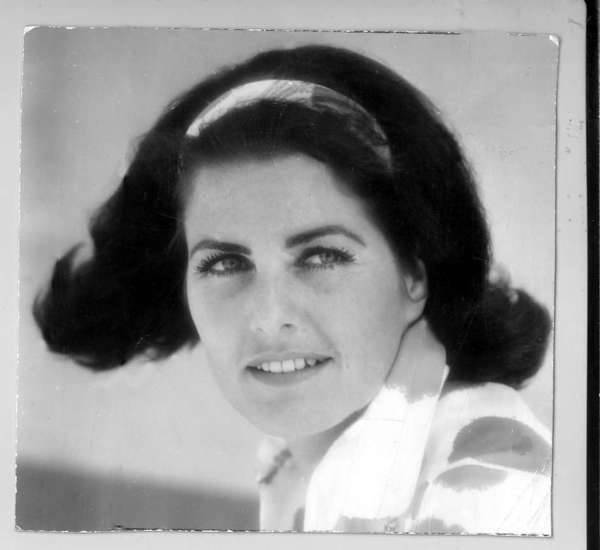
LA TimesBoth Sam Giancana and John F. Kennedy Jr.'s alleged mistress, Judith Exner.
At that time, the CIA was trying to overthrow Cuban dictator Fidel Castro through various secret - but bizarre - tactics.
To eliminate him, they enlisted his enemies, namely the Mafia. Giancana was interested in this mission when he thought that with Castro's rise to power, the Cuban casinos from which Giancana and other mafia leaders profited had disappeared. If Castro were overthrown, Giancana could continue to expand his criminal empire in the Latin American market.
Between August 1960 and February 1963, newly declassified files reveal that the CIA commissioned private detective Robert Maheu to seek help from the underworld. Maheu met with smooth-talking mafia leader Johnny Roselli and introduced him to his partner “Sam Gold.” Eventually, it was revealed that “Sam Gold” was Sam Giancana.
According to rumors, the CIA offered Giancana hundreds of thousands of dollars for his “services,” but Giancana rejected this, stating that he was merely fulfilling a patriotic duty. However, Giancana hoped that in exchange for killing Castro, the newly elected President John F. Kennedy's brother - future Attorney General Bobby Kennedy - would stand down against the Mafia.
Indeed, in 1962, Robert Kennedy agreed to temporarily halt the investigation into Giancana and his associates, but he was disturbed by the idea of making a deal with the underworld without the CIA's approval.
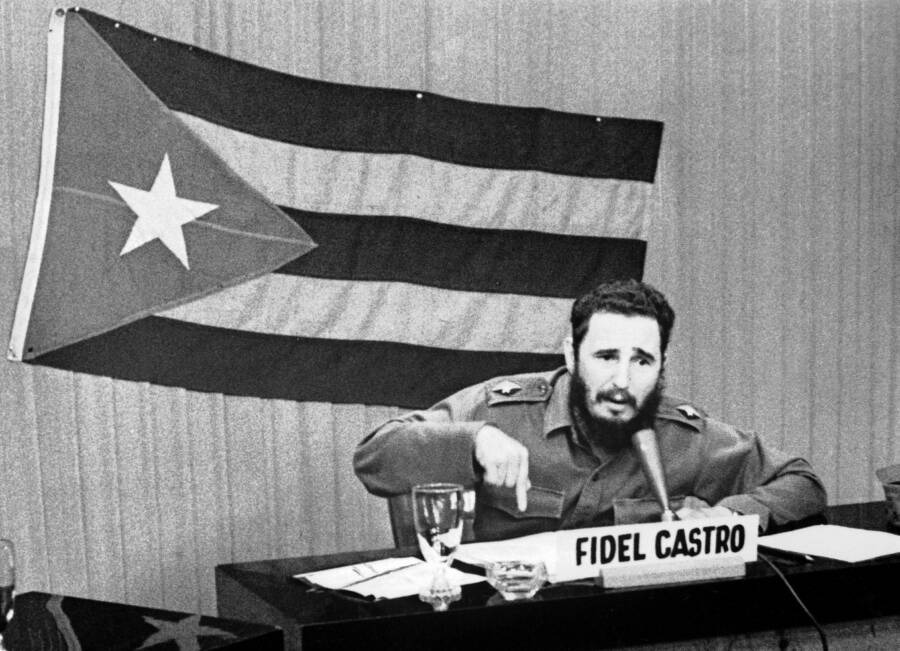
Keystone-France/Gamma-Keystone via Getty ImagesCuban Prime Minister Fidel Castro criticizes the United States in a public speech in Havana. October 22, 1962.
Giancana and Roselli made several attempts to eliminate Castro. However, the more they tried, the more they failed.
Miami mafia leader Santo Trafficante Jr. offered them a man who could get into Castro's kitchens. Following their instructions, this man poisoned Castro, but the poison was ineffective, and the dictator survived. Another attempt involved contaminating Castro's food with poison hidden in a pen. This also failed.
Eventually, Giancana became angry due to Robert Kennedy's attempts to dismantle the Mafia. Accounts differ, but it is alleged that Giancana and his organized crime associates were behind John Kennedy's assassination in 1963 in retaliation for RFK's efforts against the Mafia.
At this point, Sam Giancana and his family were living in luxury. After Giancana's death, his daughter Antoinette “Toni” Giancana published a book about how she grew up. In a 1978 interview with People magazine, she said, “My dad would always take me with him to show off to his friends when I was a little girl. I always wore a white hat, white gloves, and little white patent leather shoes. I was always ‘his little princess.’”
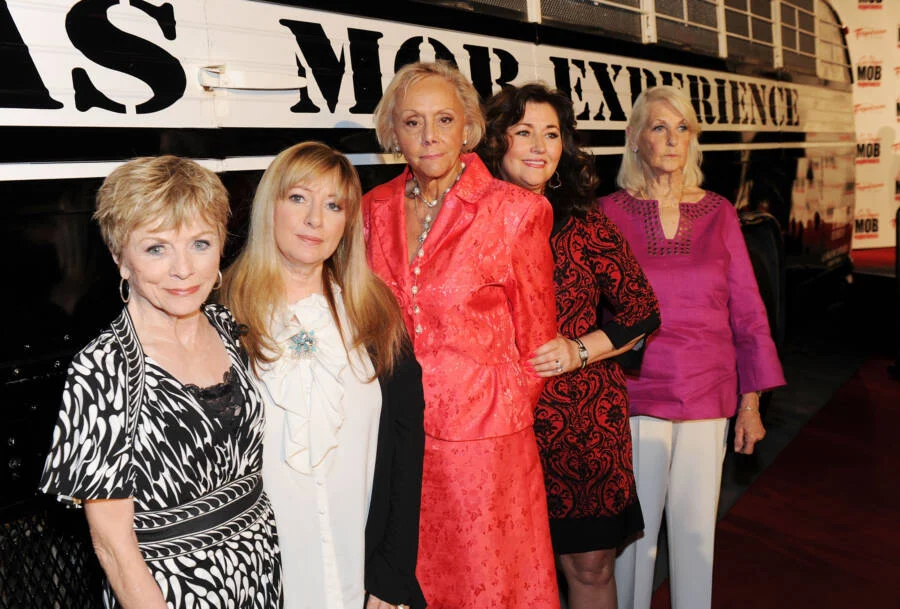
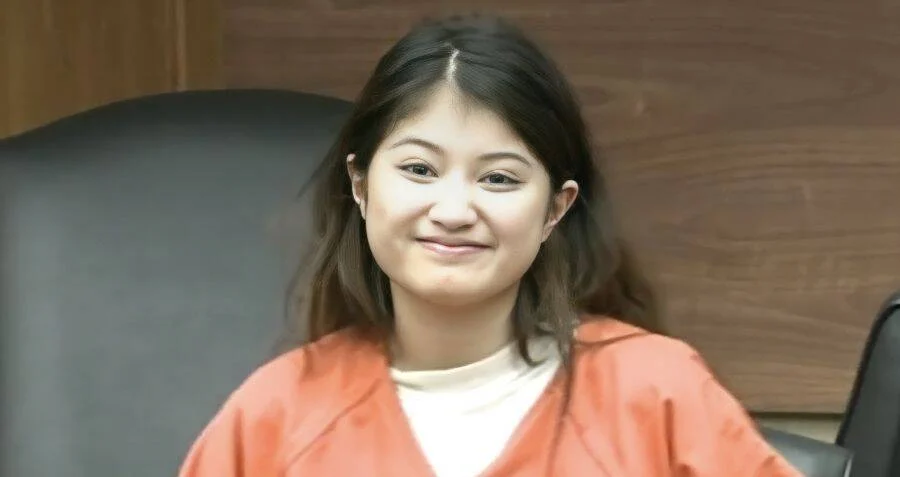
Denise Truscello/WireImageSecond from the left, Cynthia Duncan, granddaughter of Meyer Lansky, and Antoinette Giancana in orange clothing, Sam Giancana's daughter.
However, by the mid-1960s, Sam Giancana's fate would take a distinctly downward turn.
Sam Giancana Turns from Assassin to Assassinated
In 1965, Sam Giancana was imprisoned for refusing to testify before the Senate about organized crime. Mafia members are required to adhere to the omerta code, which necessitates silence with the outside world. However, Giancana's colleagues decided to expel him from the gang in 1967.
Giancana, who was losing his power base and was worried about the FBI being after him due to his involvement in the Castro assassination attempts, fled to Mexico and then to Argentina, a self-imposed exile of sorts.
In 1974, Giancana returned to the U.S. The following year, news leaked that the CIA was attempting to kill Castro using underworld connections. The Senate held official hearings on the matter and summoned Roselli and Giancana as witnesses.
Giancana never testified.
On June 19, 1975, Sam Giancana was visited by an unknown person in the basement kitchen of his home in Oak Park, Illinois. While cooking sausage and peppers, Giancana was severely injured in the head and neck, and the assailant fled.
The identity of the assassin - likely a mafia member who did not want Giancana to testify in the Senate - is officially unknown, but there are many theories.
Former Chicago mafia member Frank Calabrese Jr. said he knew who did it but would never reveal the secret. Windy City mafia historian John Binder claimed that Giancana's driver Dominic “Butch” Blasi pulled the trigger. Binder told ABC7 Chicago, “He was there that night. After everyone went home that night, a car registered to him or his family returned there. Shortly thereafter, Giancana was found dead in his basement.”
However, both Sam Giancana's namesake nephew and a Chicago police officer claimed that another close friend, Tony “Ant” Spilotro, carried out the assassination.
In any case, it is not surprising that Giancana's best friend and former crime partner Johnny Roselli was also killed the following year.
However, the story of one of America's deadliest gangsters does not end here; his role in the JFK assassination remains an ongoing mystery and a subject of interest for conspiracy theorists.
Comments
(0 Comments)