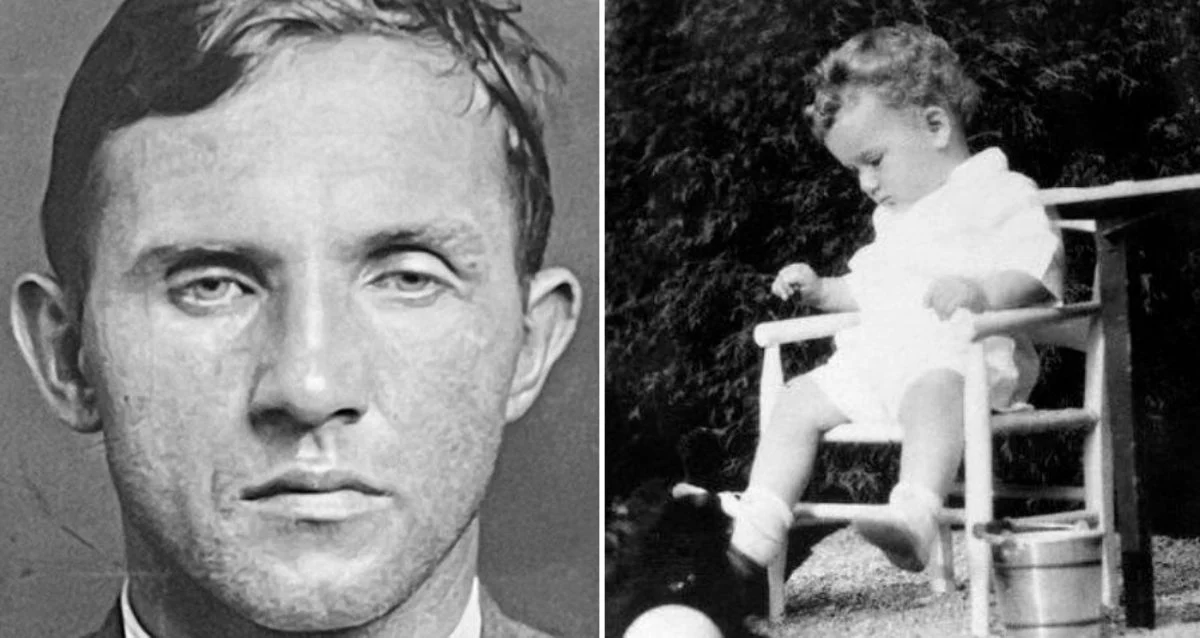
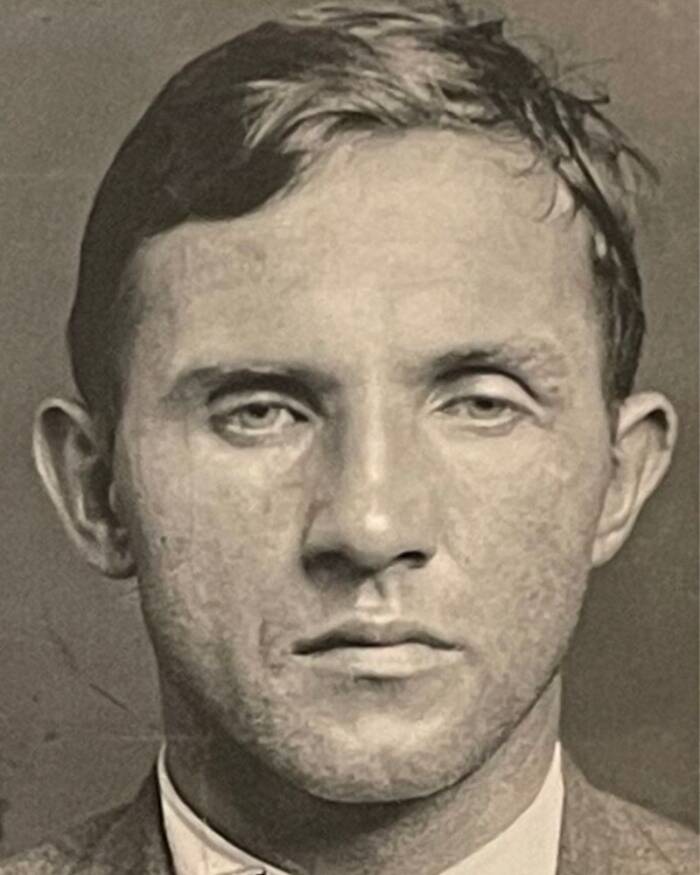
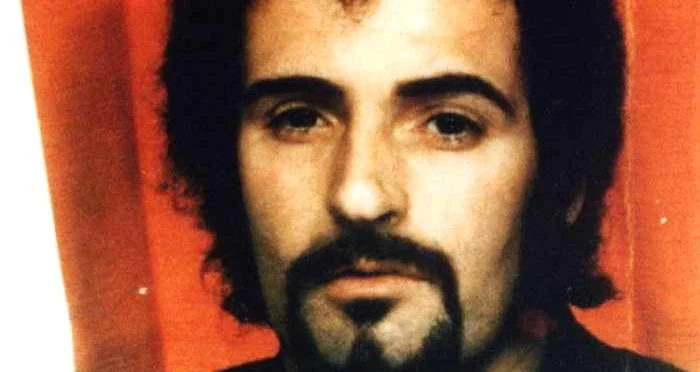
New York City Police DepartmentBruno Richard Hauptmann, the German immigrant sentenced to death for the kidnapping and murder of Charles Lindbergh's son.
On March 1, 1932, the 20-month-old son of famous aviator Charles Lindbergh disappeared from the crib in the family home in Hopewell, New Jersey. The disappearance of Charles Augustus Lindbergh Jr. shocked the nation and led to a massive search and continuous media coverage. Finally, after a two-year investigation, a man named Bruno Hauptmann was arrested in connection with the crime.
Hauptmann was a German carpenter living in the Bronx. Police believed he was responsible for the kidnapping and murder, which newspapers called "the crime of the century."
On April 3, 1936, Hauptmann was executed in the electric chair at Trenton State Prison in New Jersey. However, even after his death, the case continued to divide public opinion.
Some argued that the evidence against Hauptmann was very strong. Others suggested that the complex investigation and media frenzy may have contributed to the wrongful conviction of an innocent man. So, did Bruno Hauptmann really kill Charles Lindbergh's son?
The Early Life of Bruno Richard Hauptmann
Bruno Richard Hauptmann was born in 1899 in a small town called Kamenz near Dresden, Germany. His early years were troubled, and he began committing violent crimes, including theft, at a young age.
In his early twenties, he served three years in prison and, after being released, secretly traveled on a ship to New York City. Like many immigrants of the time, he hoped to build a better life in America.
He arrived in the United States in 1923 and found work as a carpenter. He married another German immigrant, Anna Schoeffler, and they had a son in 1933.
Apart from his criminal past in Germany, there was nothing to suggest that Bruno Hauptmann would become the central figure in one of America's most notorious criminal cases.
The Lindbergh Baby Kidnapping Case
On the night of March 1, 1932, Charles Lindbergh's 20-month-old son Charles Augustus Lindbergh Jr. was kidnapped from the family home. The nurse had placed the baby in his crib in the evening, but when she returned to check on him around 10:00 PM, the baby was gone. Panic quickly spread within the family.
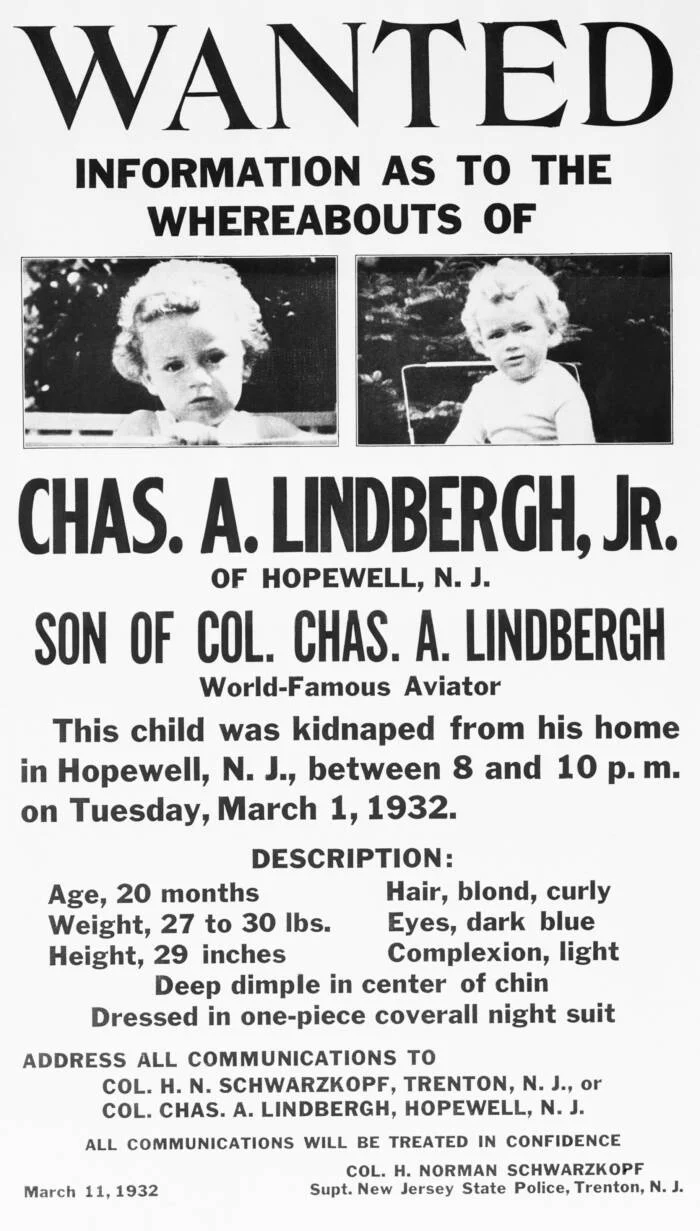
Public DomainA poster from March 1932 seeking information about the whereabouts of Charles Lindbergh Jr.
A ransom note demanding $50,000 was found on the window of the baby's room. A simple, handmade ladder was discovered at the house, which the kidnapper had presumably used to reach the second-floor window of the child's room.
As news of the kidnapping of the Lindbergh baby spread, the story quickly became a national sensation. Journalists, police officers, and curious onlookers flocked to the Lindbergh estate, turning the crime scene into a chaotic mess.
Authorities later admitted that the large crowds may have accidentally destroyed valuable evidence. But it was too late.
Shortly thereafter, strange ransom letters signed with odd symbols made of circles and holes began to arrive. Due to spelling and grammatical errors in the notes, police suspected that the perpetrator's first language was not English. However, there were no clues about potential suspects.
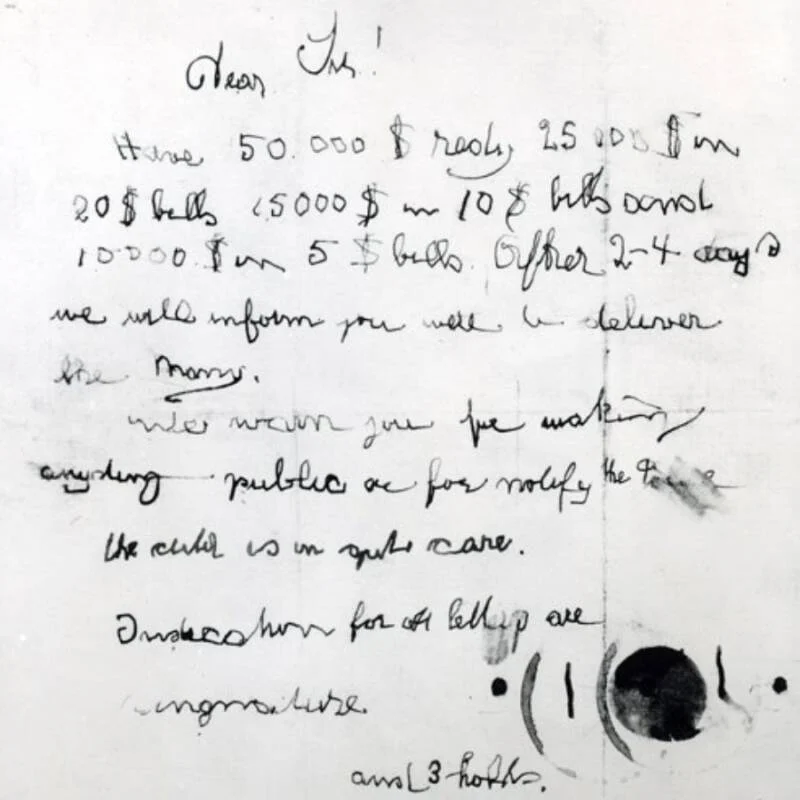
Public DomainThe ransom note found in the nursery of the Lindbergh home.
The case was growing colder by the day, and the hope of finding the Lindbergh baby alive depended on the mysterious figure behind the ransom demands. Desperate for answers, the Lindbergh family agreed to pay the ransom.
How Police Tracked Bruno Hauptmann
On April 2, 1932, a volunteer intermediary named John F. Condon—a school principal and former head football coach at Fordham University—delivered the $50,000 to a man who identified himself as "John." Authorities recorded the serial numbers of the banknotes and included gold certificates in the payment, as they were set to be taken out of circulation and were expected to attract attention when used.
The meeting took place in the dark, making it difficult to see "John's" face clearly. During the encounter, the man insisted that the child was still alive.
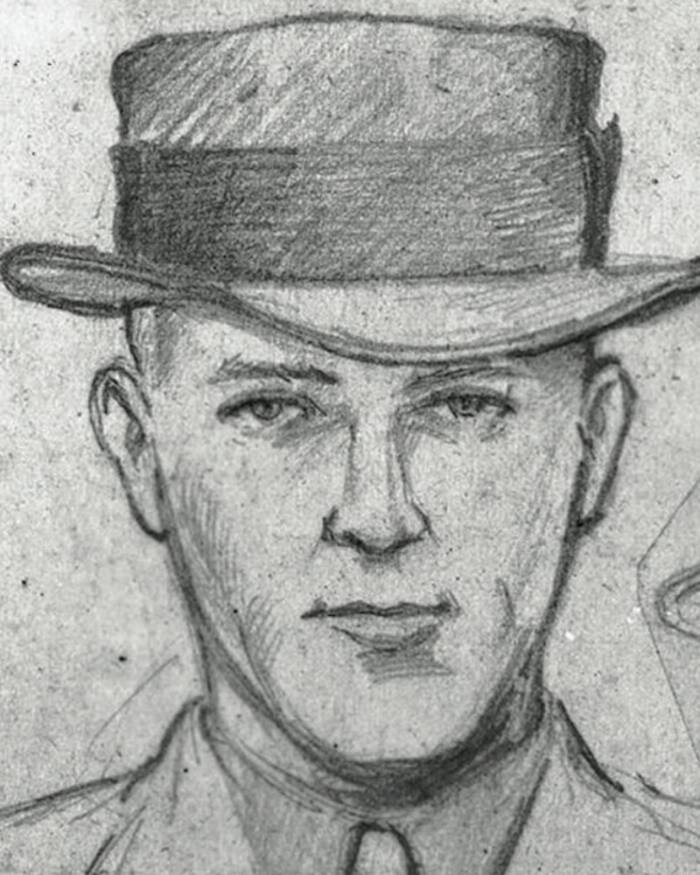
FBIA police sketch of the man named "John" who received the ransom payment from Condon.
However, six weeks later, on May 12, the decomposed body of Charles Lindbergh Jr. was found in a forest about four miles from the Lindbergh home. The baby's skull had been fractured, and it appeared he had been dead for about two months, possibly since the night of the kidnapping.
The case quickly shifted from a desperate search to a murder investigation, but police still had no clear suspect. As months went by, it seemed the trail was growing cold. However, in September 1934, a gold certificate from the ransom payment was used at a gas station in New York City.
The attendant thought it was strange for a customer to pay with a gold certificate, so he wrote down the man's license plate number on the edge of the note. A bank clerk later recognized that the serial number on the certificate was linked to the ransom money and called the police.
Investigators checked the license plate number recorded by the gas station attendant. The vehicle belonged to Bruno Hauptmann.
Evidence Against the Suspected Killer
Police began to quietly surveil Hauptmann's home and noticed that Bruno bore a strong resemblance to "John," the man who received the ransom payment from Condon. Hauptmann was quickly arrested, and when investigators searched his home, they found several other pieces of evidence linking him to the kidnapping of the Lindbergh baby.
More than $14,000 from the ransom payment was found in Hauptmann's garage, the wood used to make the ladder found outside the baby's room appeared to come from Hauptmann's attic, and Condon's contact information was written on the wall of a closet next to a telephone. Several items purchased with ransom money were also found in the home, and the FBI matched Hauptmann's handwriting to the ransom notes.
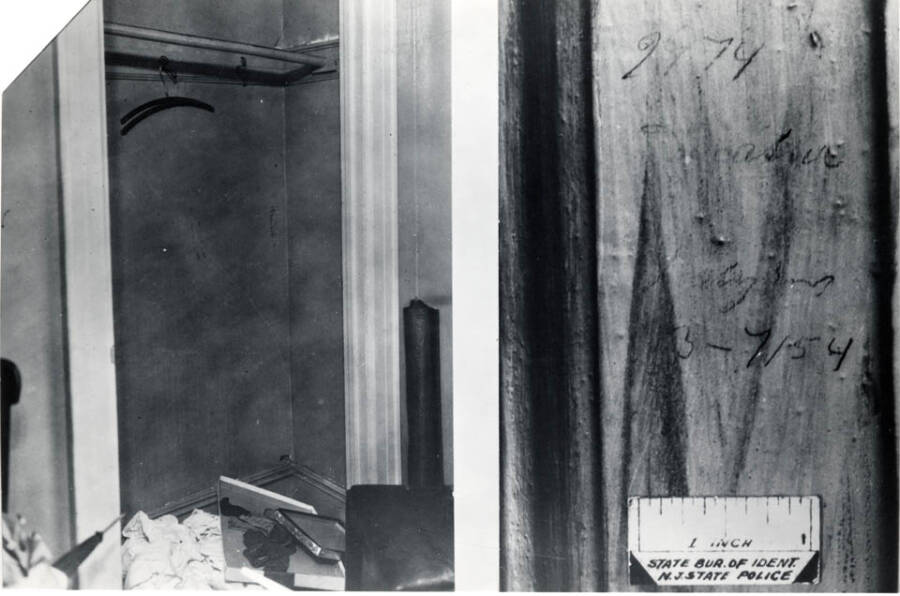
New Jersey State PoliceThe address and phone number of John F. Condon found in Bruno Hauptmann's home.
Furthermore, it was discovered that Bruno Hauptmann had suddenly quit his job and started buying large amounts of stock with cash just days after the ransom payment.
Still, there was no physical evidence linking Hauptmann to the murder of Charles Lindbergh Jr. Not even fingerprints had been found in the baby's room. Did prosecutors have enough evidence to secure a conviction? That would be determined by a jury.
Bruno Hauptmann's Trial and Execution
Bruno Hauptmann's trial began in January 1935. Five weeks later, he was found guilty and sentenced to death. On April 3, 1936, he was executed in the electric chair at the age of 36.
However, Hauptmann maintained his innocence until the last moment. He claimed that the cash and gold certificates found in his home had been left to him by his friend Isidor Fisch, who had returned to Germany in 1933 and died shortly thereafter.
Several months before his execution, in a letter reported by The New York Times in 1977, Hauptmann wrote to his mother, asking, "My God, my God! Where is justice in this world?"
"I cannot believe that this state would ruin an innocent man's life in this way to close a case," Hauptmann continued.
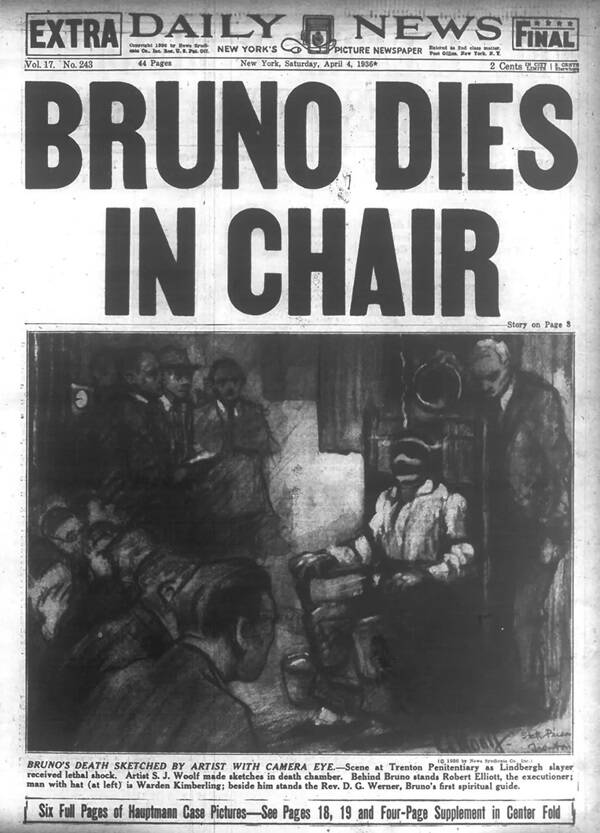
New York Daily NewsAn article from New York Daily News about Bruno Hauptmann's execution.
While it is true that all the evidence against Bruno Hauptmann was circumstantial, the jury decided it was overwhelmingly sufficient. However, in the years since his execution, additional questions about his guilt have arisen.
Some insist that Hauptmann did not act alone. Others believe he was used as a scapegoat by an organized crime group.
Modern science has also breathed new life into the case. In 2020, retired judge and true crime author Lise Pearlman put forth a bold theory suggesting that Charles Lindbergh, as a public advocate of eugenics, caused the child's death. Pearlman believes the aviator gave his sick son to French biologist Alexis Carrel for organ transplant experiments and then fabricated the kidnapping story to cover his tracks.
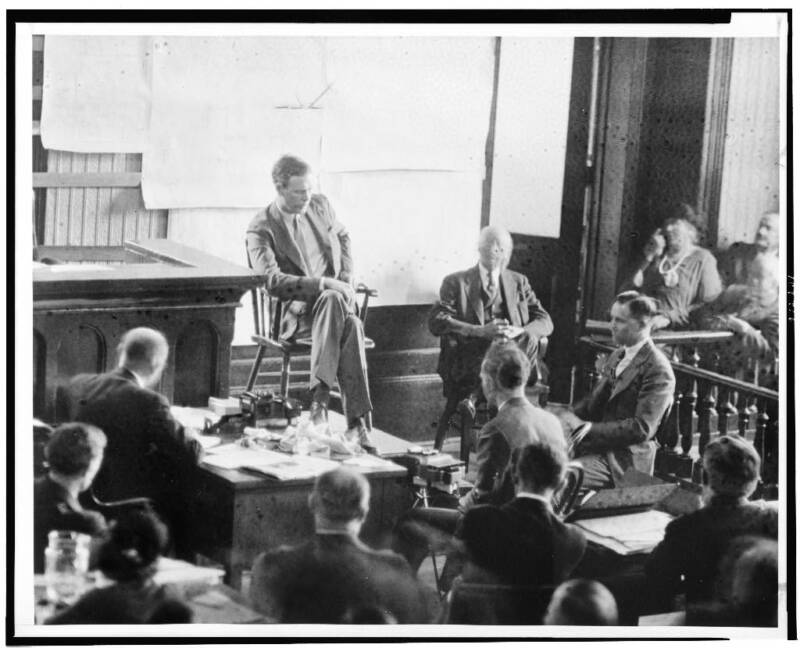
Library of CongressCharles Lindbergh testifying at Bruno Hauptmann's trial.
"Many leads went unpursued, about a dozen state witnesses likely lied, and the prosecution held 90,000 pages of investigative files that Hauptmann or the defense could see," Pearlman told the San Francisco Chronicle in 2024. "The wrong man was executed, and my hope is that Hauptmann will be exonerated after his death."
Perhaps one day, Bruno Hauptmann will truly be recognized as innocent.












Comments
(8 Comments)