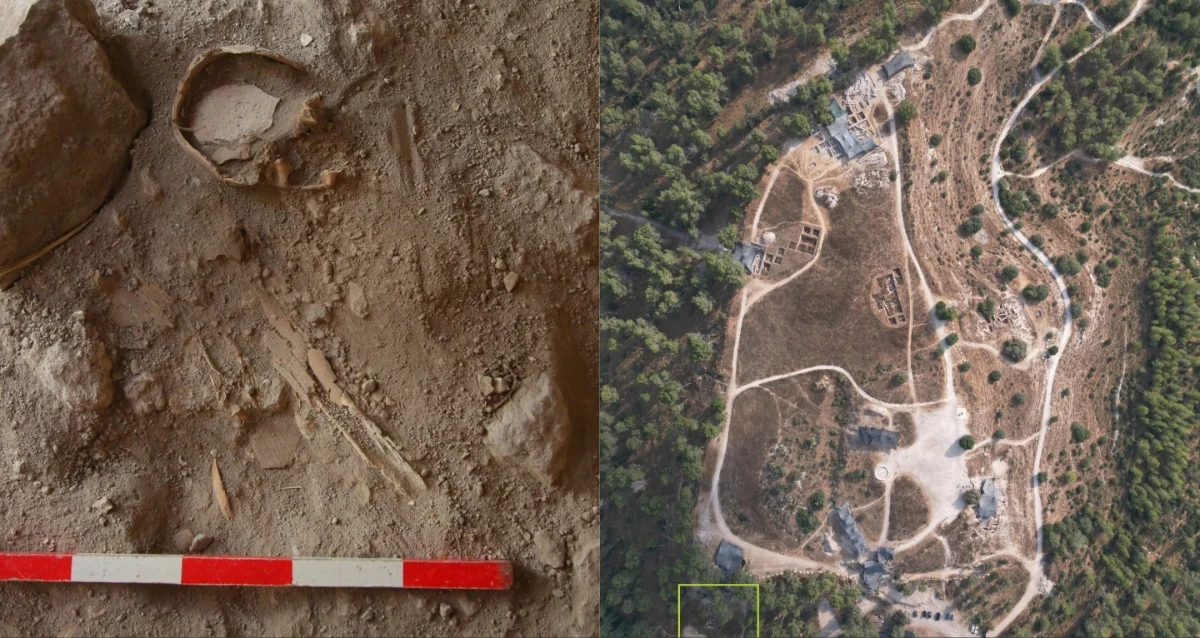
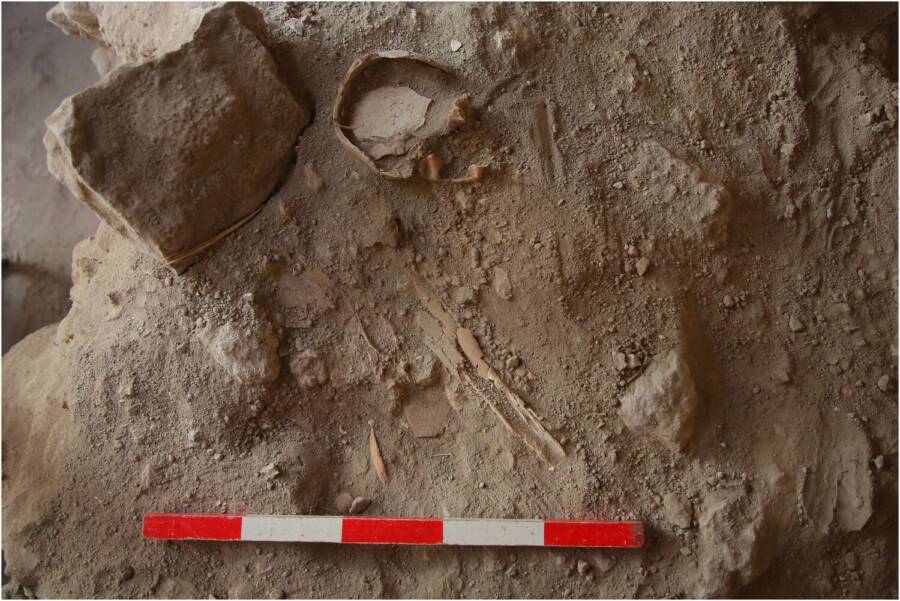
Lautenschläger Azekah Discovery TeamUpper half of many child skeletons found in the cistern in Azekah.
During archaeological excavations in the ancient city of Azekah, Israel, an ancient cistern used by various civilizations over the centuries was discovered. Inside, an unexpected and horrifying finding emerged. Many small skeletons belonging to babies and young children who died 2,500 years ago were found in the cistern.
Archaeologists do not believe that these children were victims of an epidemic, war, or natural disaster. On the contrary, it appears that these children, most of whom died before the age of two, lost their lives due to natural causes and were buried in this reused cistern.
Child and Baby Cemetery Found in Azekah
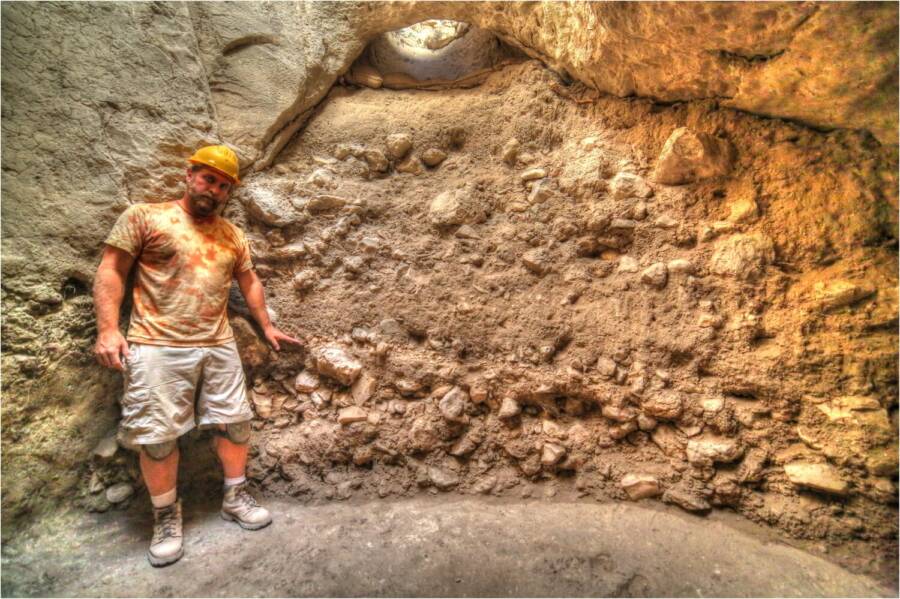
Lautenschläger Azekah Discovery TeamAn archaeologist in the lower layer of the cistern.
According to a recent study published in The Palestine Exploration Journal, the cistern in Azekah was first excavated between 2012 and 2013. The cistern was used by the ancient Canaanites (possibly around 3500 BC) to store water. However, when archaeologists examined the various archaeological layers that have persisted over hundreds of years at the site, they made a frightening discovery of many small human bones.
As a result, archaeologists determined that between 68 and 89 individuals were buried in the cistern during the early Persian period in the 5th century BC. Almost all of these individuals were small children. Most were under five years old, and many of them were under two years old. Many of the children in the cistern appeared to have been buried with small grave gifts such as beads, metal ornaments, and ceramics.
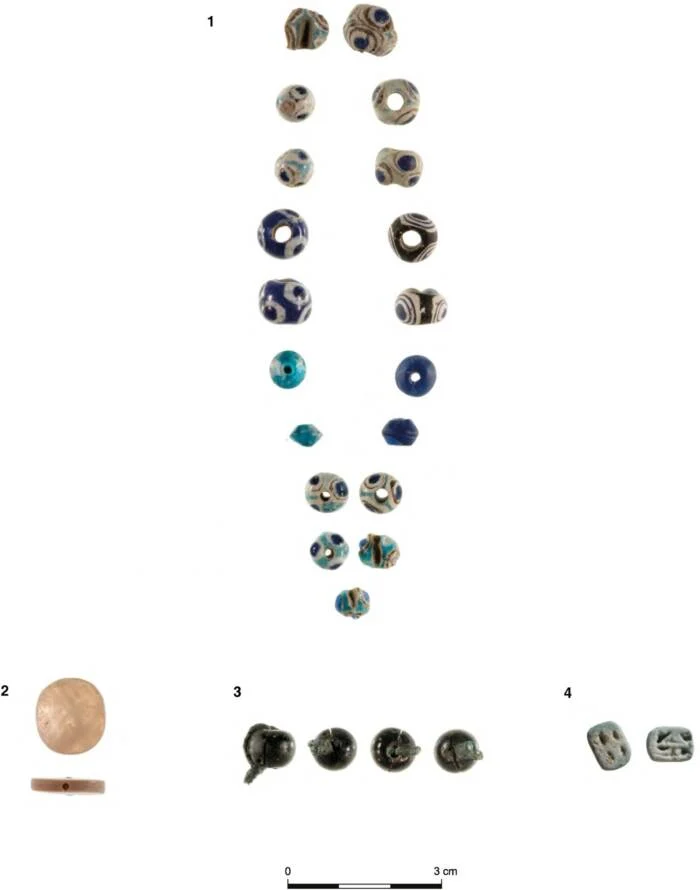
Lautenschläger Azekah Discovery TeamA collection of beads, possible funeral gifts, found with human remains in the cistern.
Interestingly, it seems that the cistern was used as a burial site for a long time, for at least several decades. It appears that the children buried here did not die from natural disasters, wars, or diseases.
Researchers also noted that the site was not used for ritual sacrifice purposes; as no signs of violence were found on the bones and no "ritual or unique gifts" were discovered. On the contrary, it seems that the children in the cistern died of natural causes and that this area was specifically designated for children and babies.
"The cistern was used during the early Persian period to bury infants and small children who had not yet completed the weaning process," the researchers say.
They continue: "The findings indicate that a person had not yet gained independent existence and the honor of a separate burial before this vital stage. In our view, during this period, burying still-nursing small children and infants was an accepted practice; most of them did not survive this life stage."
This discovery ultimately helps us understand ancient societies' perceptions of humanity, how they buried their young, and how they mourned. It also provides new insights about Azekah itself, a site with a rather eventful history.
The Story of Azekah in Antiquity
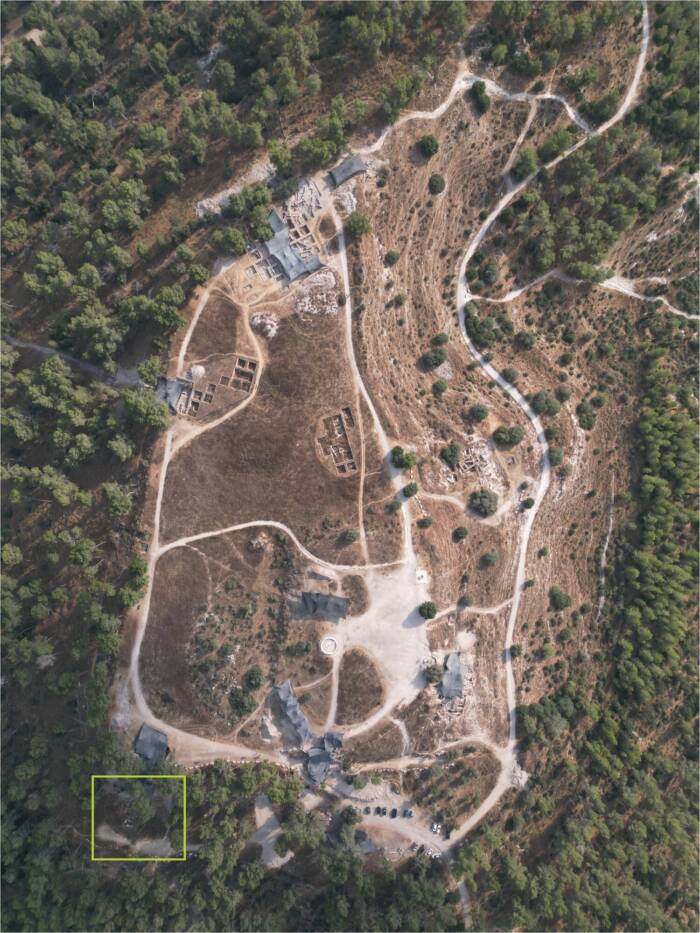
Lautenschläger Azekah Discovery TeamAerial view of Azekah. The square in the lower left corner of the frame is the location where the cistern burials were found.
Perhaps best known as the site of the legendary battle between David and Goliath, Azekah has been inhabited since the Early Copper Age, around 4,000 years ago. Throughout the Copper and Iron Ages, Azekah became one of the most important locations in the Jewish highlands, and the cistern was used for water storage.
Archaeological evidence shows that the cistern was not used in the 6th century BC, coinciding with the destruction of Azekah during the Babylonian conquest of Judah. Azekah later came under Persian rule, and in the 5th century BC, the cistern was reused as a mass grave for infants and small children.
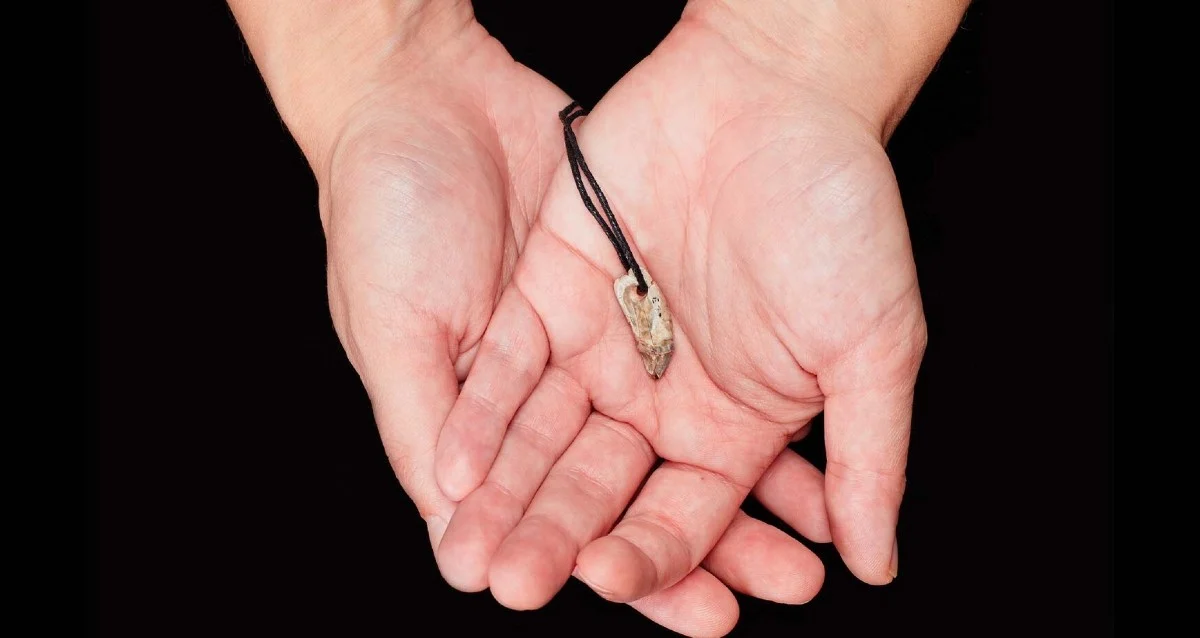
The archaeological excavations that began here about 15 years ago indicate that this cistern is not the only exciting discovery. For instance, in 2025, a three-year-old child found a 3,800-year-old Canaanite amulet. The stone artifact depicts scarab beetles, which were sacred to the ancient Egyptians, and adds to a long list of evidence proving the close cultural ties between Canaan and Egypt during the Copper Age.
Now, this cistern has added another piece to the story of Azekah.



















Comments
(2 Comments)