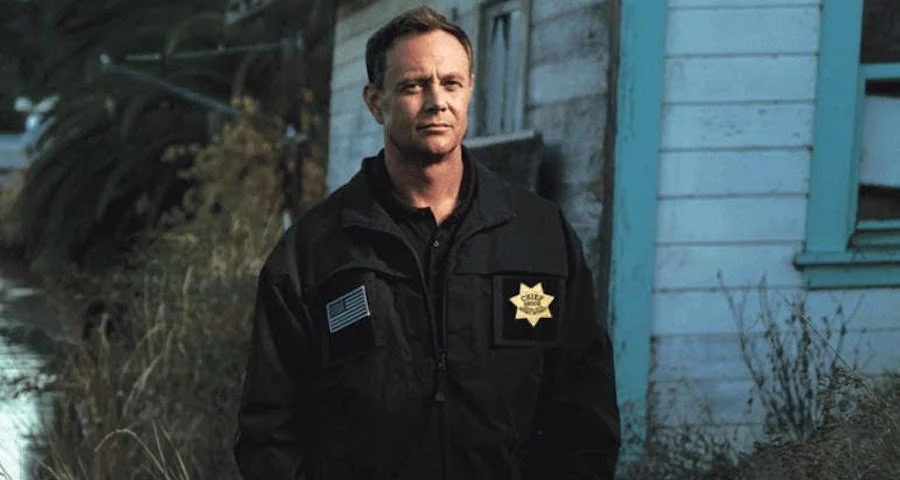
Paul Holes became a kind of celebrity for his contributions to solving the Golden State Killer case, which remained unsolved for over 40 years until an arrest was made in 2018.
The now-retired former cold case detective from Contra Costa County, California, gives talks about his work and hosts a popular podcast that includes the process of hunting down the Golden State Killer, who raped and murdered perhaps dozens of people since the 1970s.
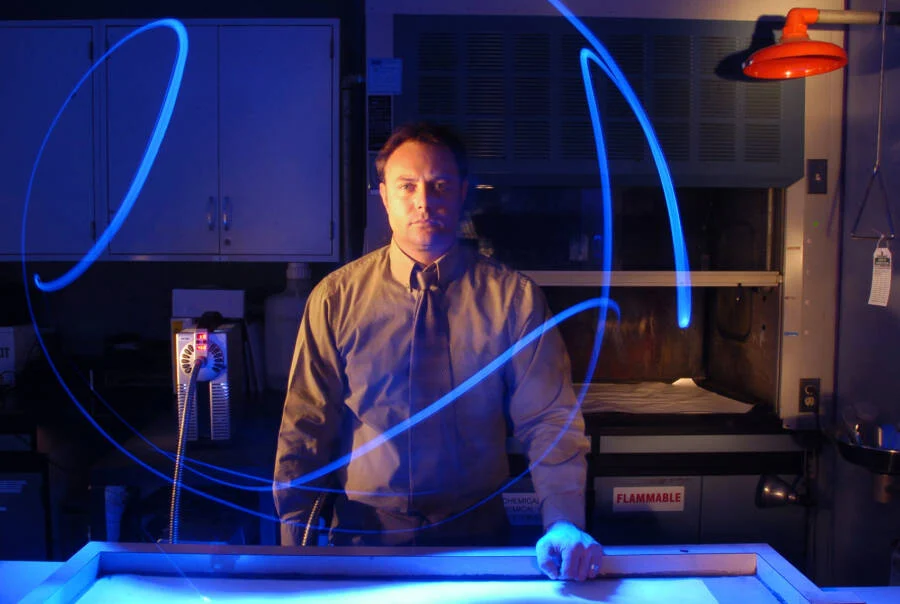
Jose Carlos Fajardo/MediaNews Group/East Bay Times/Getty ImagesPaul Holes almost considered knocking on Joseph James DeAngelo's door to request a DNA sample.
Holes was joined in this pursuit by the late true crime writer Michelle McNamara. McNamara reignited the search for the Golden State Killer and helped piece together the book I’ll Be Gone In the Dark, which was adapted into an HBO documentary series in 2018.
Despite having a long career, Holes' legacy is built on capturing the Golden State Killer using advanced methods like DNA evidence. Holes retired just a few weeks before Joseph James DeAngelo was arrested as the Golden State Killer, but his insights were extremely valuable.
Paul Holes: From Cradle to Academy
Paul Holes was born on March 15, 1968. He was just a child when the Visalia Ransacker began committing 100 burglaries in 1974; then, in the late 1970s, he raped at least 50 women as the East Area Rapist and killed over a dozen people by the late 1980s as the Original Night Stalker.
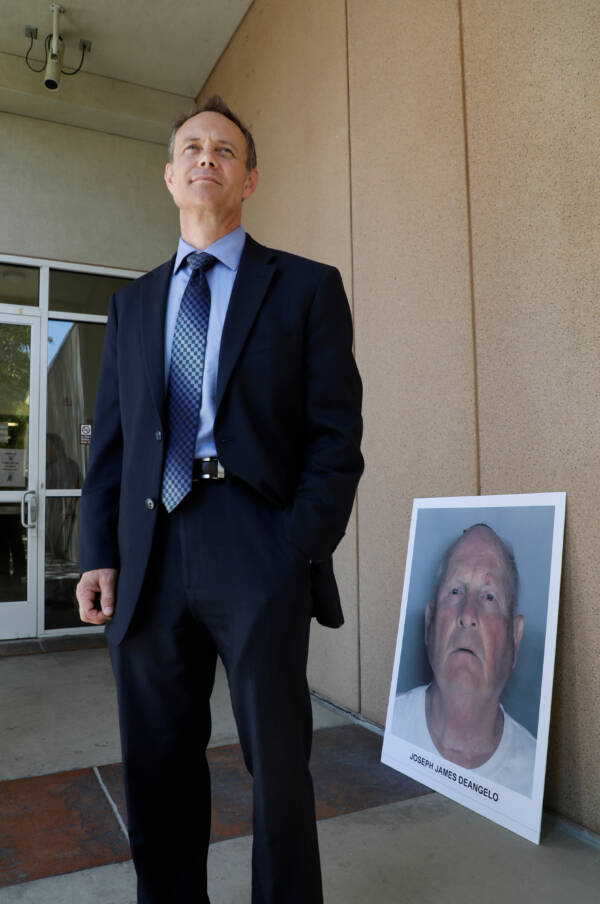
Laura A. Oda/Digital First Media/The Mercury News/Getty ImagesPaul Holes at the press conference announcing the arrest of Joseph James DeAngelo. April 25, 2018.
He was still a teenager at the time, but he would become one of the key figures tracking the man known as the Golden State Killer. After graduating from UC Davis with a degree in biochemistry in 1990, he went through the police academy to secure a position in the crime lab.
Although fascinated by the complex clues of forensic science, Holes quickly began to take more interest in the investigative side of police work.
“Very quickly, I started to take more interest in the investigation side to the point where other lab staff were saying, ‘This isn’t your job,’” he said.
In 1994, shortly after being hired as an assistant criminologist, he found a manila folder labeled “EAR” (East Area Rapist) in an old file cabinet. He had no idea what journey he was about to embark on when he opened that envelope, but it would define his career.
Paul Holes and the Golden State Killer
The idea that the Visalia Ransacker, East Area Rapist, and Original Night Stalker were all the same person escaped authorities during the crime wave that spanned from 1974 to 1986. The nature of the crimes was different, and they also occurred in different regions of California.
It wasn't until 2001 that DNA evidence finally connected the cases, leading authorities to realize it was one and the same person.
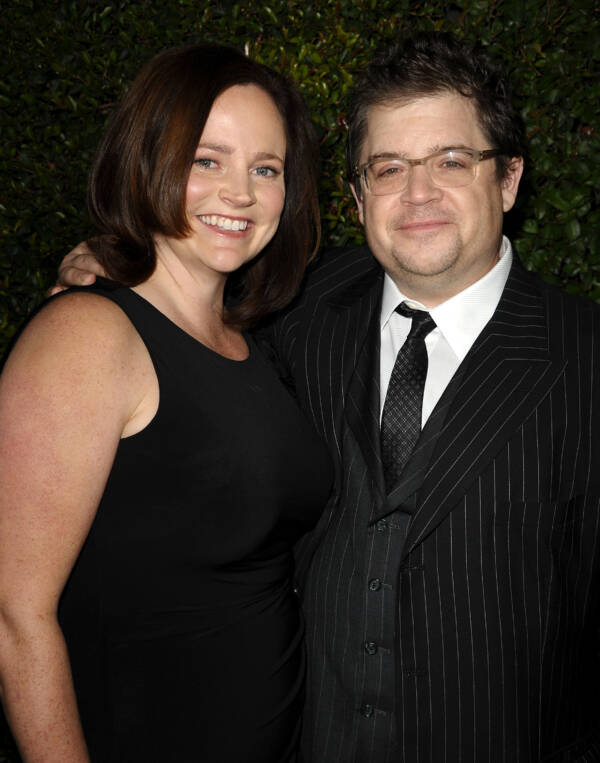
Jason LaVeris/FilmMagic/Getty ImagesMichelle McNamara and her husband Patton Oswalt in 2011, during the time she began investigating the Golden State Killer.
However, amateur detective Michelle McNamara conducted a comprehensive examination of the events, evidence, reports, and witness statements related to the perpetrator and shared it publicly on her blog — True Crime Diary.
She coined the nickname Golden State Killer and connected with detectives like Holes in her determined quest to capture him.
“She really surprised me with her knowledge of the case, and we talked for months,” Holes said. “I shared some things with her off the record, and when her Los Angeles Magazine article about the Golden State Killer came out, I saw that she didn’t burn me. That really started a sense of trust.”
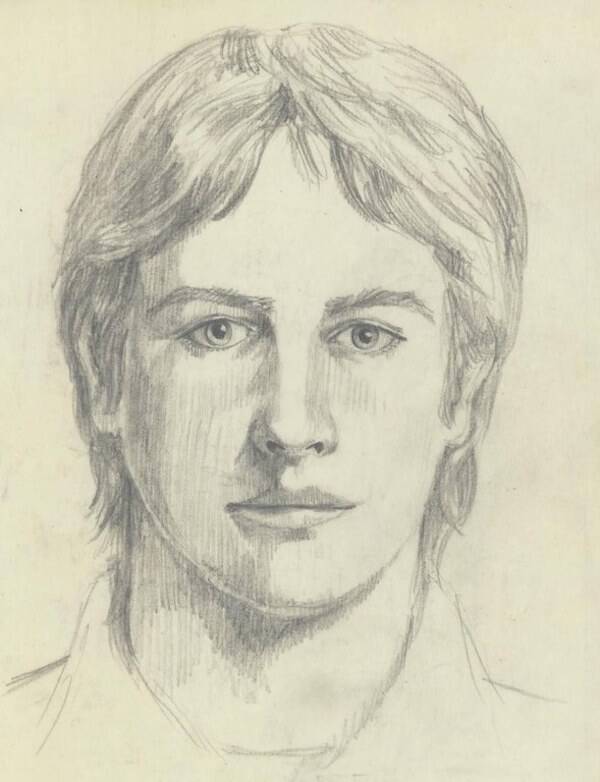
Wikimedia CommonsA sketch of the Original Night Stalker released by the FBI.
“From that point on, we almost investigated the case together. She really became a partner in this work… and we shared suspects and information.”
However, long before the two met, Holes began what seemed like a desperate search on his own. After becoming acquainted with dusty old case files, the young assistant became obsessed with the unsolved East Area Rapist case and began tracking suspects for over 20 years.
“As I read through the case files and saw the atrocities he committed against these victims, I started to think this guy needed to be caught,” Holes recalled.
There were sketches drawn based on survivor testimonies, but they were different and ultimately only described a light-skinned, light-eyed white male with brown hair. DNA was collected from crime scenes, but it did not match any of the initially suspected individuals. By 2017, the case had not made significant progress.
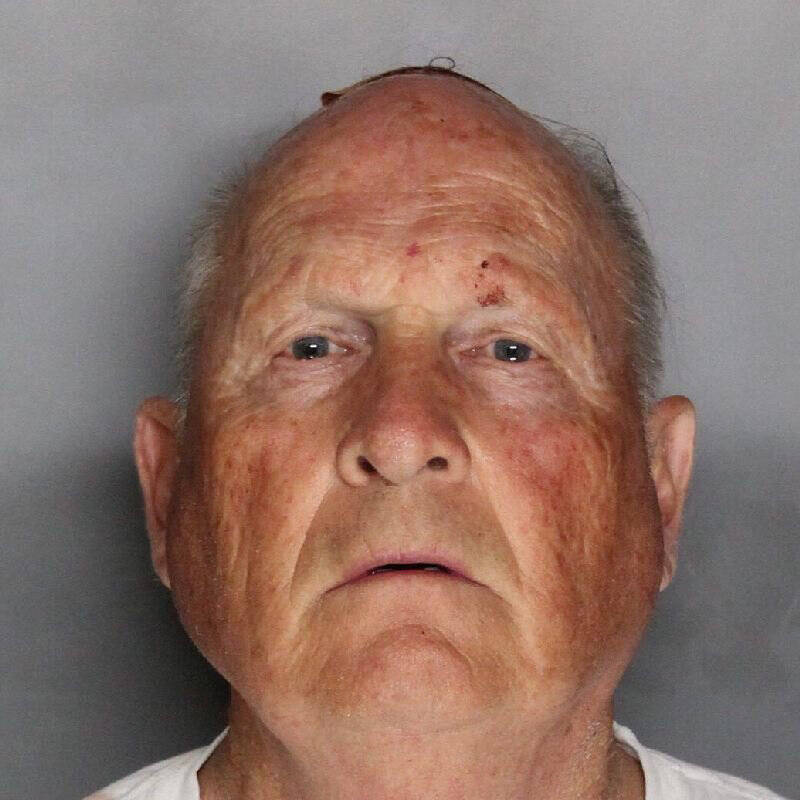
Sacramento County Sheriff’s OfficeJoseph James DeAngelo, a former police officer from Auburn and Exeter, California, pleaded guilty to 26 charges.
With the advent of genealogy databases, Holes contacted genetic genealogy expert Barbara Rae-Venter to create a profile of the suspect from the collected Golden State Killer DNA evidence.
The results were comprehensive enough to narrow down the suspect list to Joseph James DeAngelo. Holes was on his last day of work, waiting in front of the 72-year-old man's house in Citrus Heights, California. Holes considered going to his door to request a DNA sample but changed his mind.
“Really, I did a good thing by not going to his door that day,” Holes said. “I thought about it. Just to get a DNA sample to eliminate this guy. But who knows what would have happened if he had recognized me and decided to do something.”
Instead, police collected DNA evidence from DeAngelo's car door handle and discarded napkins and matched it with the evidence left at the Golden State Killer's crime scenes. When asked if DeAngelo was the man they were looking for, Holes' answer was absolutely resolute:
“I’m 100% sure.”
Paul Holes: A True Crime Icon
Paul Holes became a true crime icon on April 25, 2018. When he appeared at the press conference announcing DeAngelo's arrest without saying a word, fans noticed his handsomeness and shared their admiration for him online.
True crime fan Allison Birdsong started the hashtag #hotforholes, which quickly began trending on social media. Countless women declared that they “loved him enough to worship where he walked”; this helped the retired detective expand his post-career opportunities.
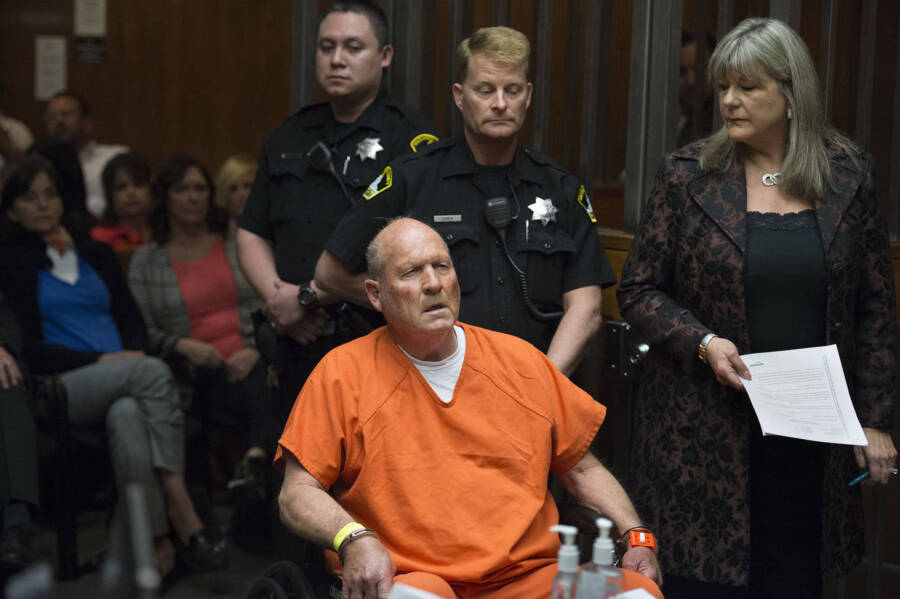
Randy Pench/Sacramento Bee/Tribune News Service/Getty ImagesJoseph James DeAngelo on trial in Sacramento court in April 2018.
XG Productions, formerly known as the G men, quickly realized that this new star had entered their niche talent pool. Jim Clemente, a former FBI profiler who now works for XG Productions and helps produce Criminal Minds, informed Holes just how vast his options were.
They took Holes to a Nashville true crime conference, where “about 3,000 women… thought he was very easy on the eyes.”
Since then, Holes has begun working with the United Talent Agency, which manages speaking engagements across the country. Holes and Clemente co-authored a book titled Evil Has a Name: The Untold Story of the Golden State Killer Investigation, and Holes launched his own podcast — The Murder Squad — with investigative journalist Billy Jensen.
Most recently, his determination to catch the killer has been documented in the HBO documentary adaptation of Michelle McNamara’s book I’ll Be Gone In the Dark.
“The time, energy, and dedication he spent to catch the Golden State Killer is something that women everywhere should appreciate,” Birdsong explained.
Joseph James DeAngelo, the subject of Holes' obsessive investigative work, pleaded guilty to 26 charges in the wave of rapes and murders. He was ultimately charged with 13 counts of murder with special circumstances along with 13 counts of kidnapping during burglaries.
In August 2020, he received a total of 12 life sentences, condemning him to prison for life; this closed the biggest case of Paul Holes' illustrious career.
Comments
(9 Comments)