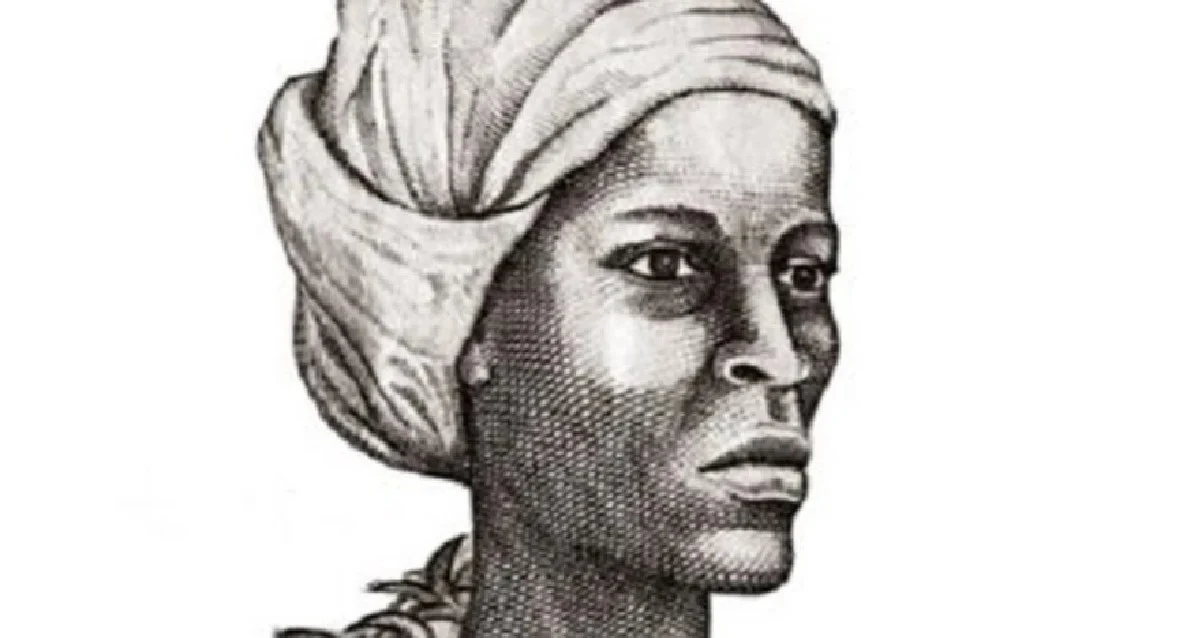
In most depictions, the Maroons' Nurse Nanny is portrayed as a dignified Black woman with sharp eyes. Often wearing a crown-like headdress, Nanny's chin is tight and her gaze is resolute; as if she is challenging the British forces she fought against throughout her life in Jamaica.
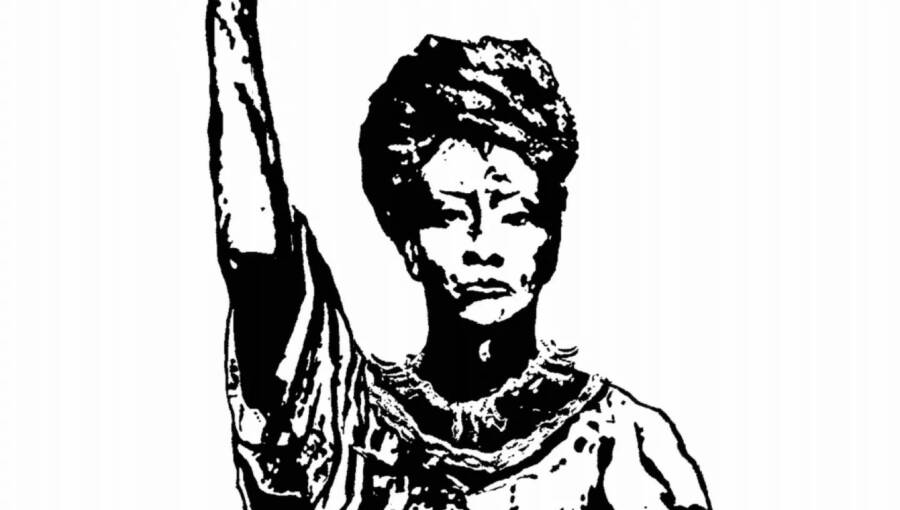
Royal Museums GreenwichNanny, the Maroons' Nurse, an 18th-century Jamaican freedom fighter.
Like Jeanne d'Arc for France or Queen Boudica for Britain, Nanny, the Maroons' Nurse, is a true historical figure who fought for her people — the runaway slaves known as Maroons — and her legacy has gained so much significance that she has almost become a legend.
However, Nanny, the Maroons' Nurse, was a very real figure. In the first half of the 18th century, Nanny transformed from an enslaved woman into a freedom fighter. To this day, she is celebrated as a national figure in Jamaica and honored as the only female national hero in Jamaican history.
Here is her story.
Nanny's Arrival in Jamaica
As a Black woman escaping slavery in the 18th century, many details about the early life of Nanny, the Maroons' Nurse, have been lost throughout history. However, historians believe she was born around 1680 in Ghana. During her young adulthood, she was likely kidnapped, enslaved, and brought to Jamaica's sugarcane fields.
However, Nanny did not remain enslaved for long. According to Enslaved.org, one version of her story suggests that Nanny was captured along with her sister. However, upon arriving in Jamaica, Nanny managed to escape, founding the lineage of the Maroons, or runaway Jamaican slaves; her sister formed the lineage of the non-enslaved Maroons. Another version states that Nanny was never enslaved and arrived in Jamaica as a free woman, while another version claims that Nanny escaped from slavery with at least one brother, Kojo (or Cudjoe), and sought refuge in the Blue Mountains.
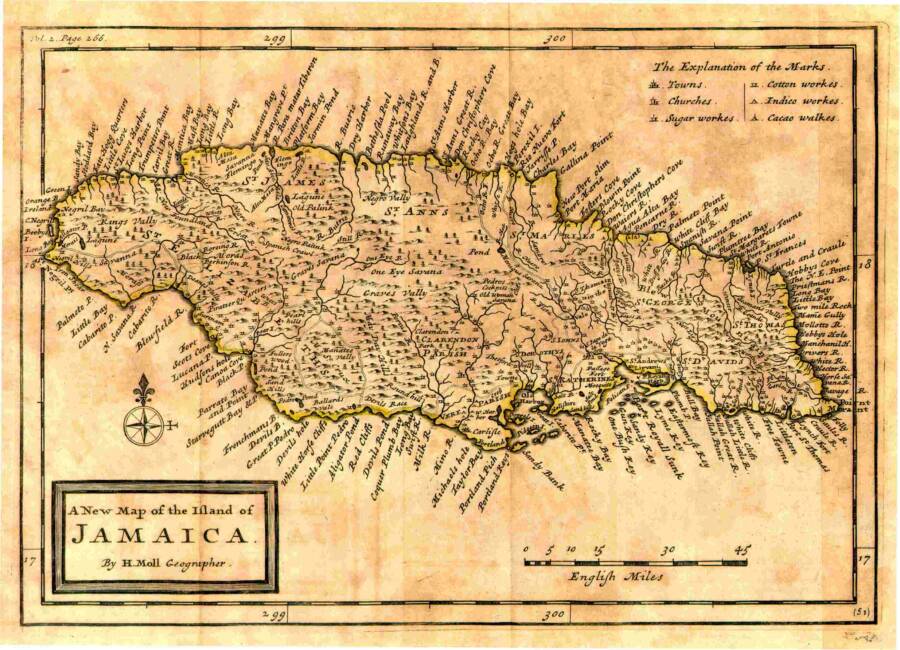
Public DomainA map of Jamaica from 1717.
There, in the safety of the mountains and away from European settlements, Nanny established a Maroon community known as Nanny Town. She was a significant leader of the community and was said to possess the power of Obeah, a type of folk magic of West African origin. According to the Jamaica Information Service, Nanny also shared stories and traditions from their homelands.
Nanny, the Maroons' Nurse, had other skills as well. She would use these abilities to fight against the British and liberate enslaved Africans.
The Violent Maroon Wars in Jamaican History
According to BlackPast, Nanny, the Maroons' Nurse, did not stay in the safety of the mountains. On the contrary, she conducted raids on plantations and European settlements, helping to free approximately 1,000 enslaved Africans across Jamaica. She was also an active participant in the First Maroon War, which lasted from 1728 to 1740.
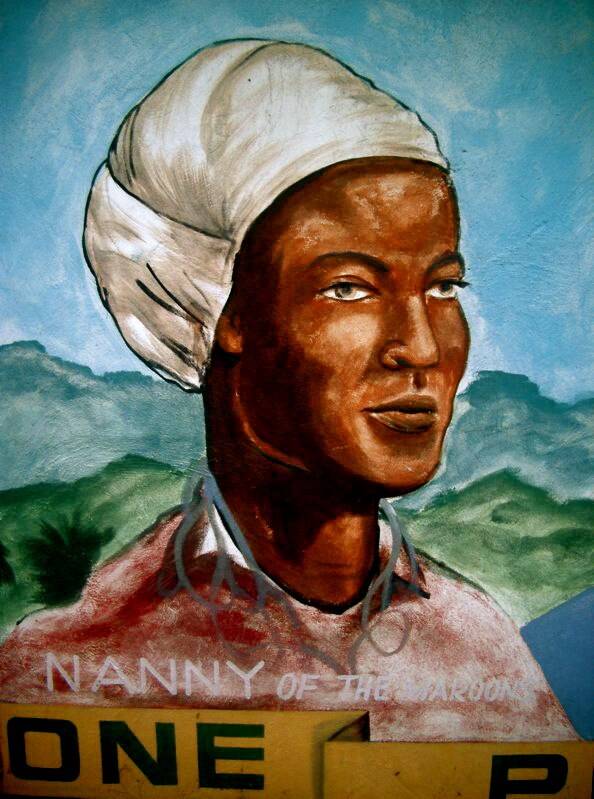
David Drissel/FlickrAn illustration of Nanny, the Maroons' Nurse.
Afterward, Nanny and other Maroon leaders fought against the British colonists in Jamaica. The British sought to suppress the Maroon communities; the Maroons aimed to defend their land and freedom.
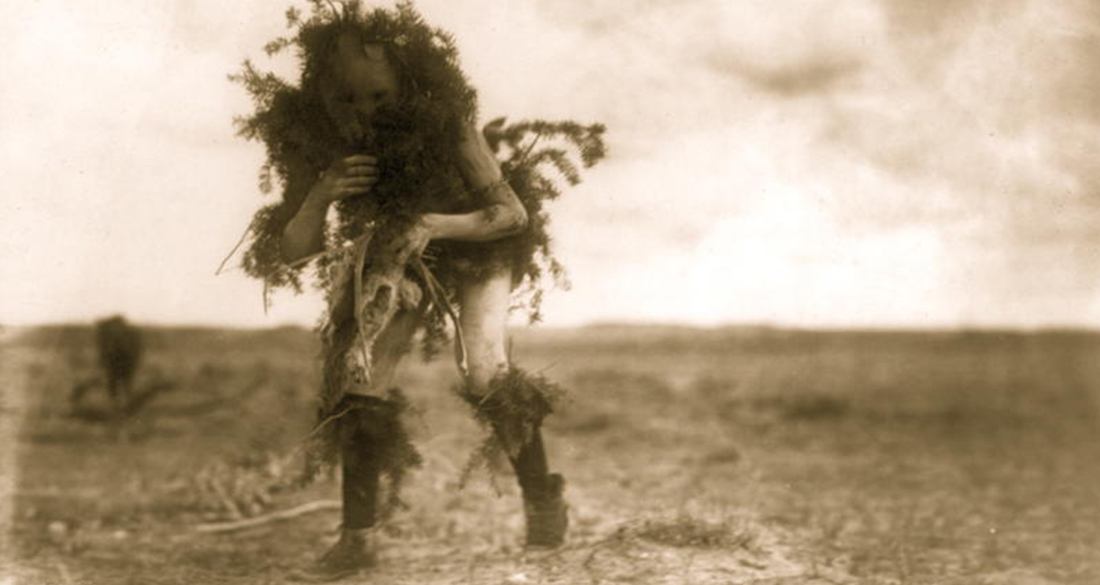
In this conflict, Nanny's skills proved particularly useful. She and others waged guerrilla warfare against the British, and Enslaved.org reported that Nanny was a significant tactician. She instructed Maroon warriors to cover themselves with branches and leaves and to signal surprise attacks using a cow horn known as abeng in West Africa. These tactics helped Maroon warriors advance stealthily through the forest without being seen and launch devastating surprise attacks on British forces.
Some even claim that Nanny could catch and fire bullets with her hips. However, Maroon scholars agree that this concept was designed to belittle and demean Nanny and her abilities. Women in Jamaica were showing their backsides as a gesture of insult, and the stories of Nanny's "catching bullets" ability may stem from the skills she demonstrated as a military tactician during the war.
However, despite being a great warrior, Nanny would experience both victory and tragedy during the First Maroon War.
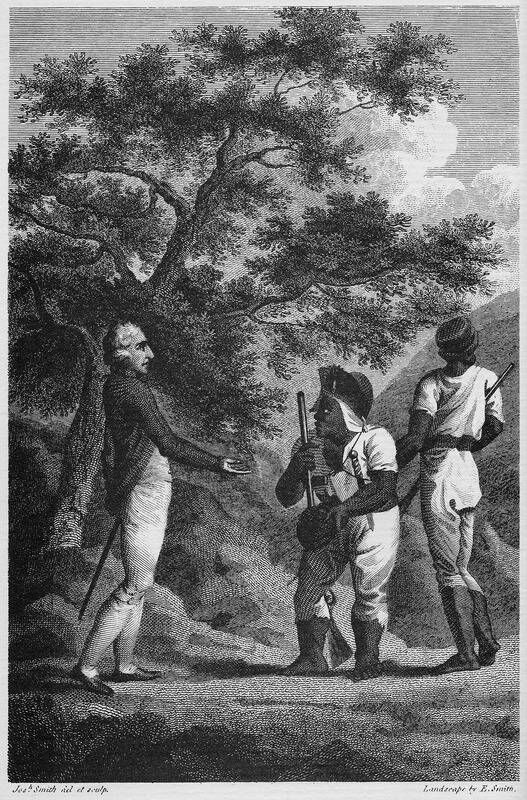
Public DomainCudjoe negotiating with the British during the First Maroon War.
Indeed, Nanny Town was destroyed during the conflict. While some sources claim that Nanny was killed by a British officer named Captain William Cuffee in 1733, this is disputed. Ultimately, however, the Maroons managed to bring the British to the negotiating table. Cudjoe, who is believed to be Nanny's brother, helped with the peace negotiations.
In 1740, the British agreed to grant the Maroons 500 acres of land and guarantee their freedom. After the war, the Maroons rebuilt Nanny Town, which was renamed Moore Town and has survived to this day.
The Proud Legacy of Nanny, the Maroons' Nurse
Like many truths of her life, the facts surrounding Nanny's death are not certain. Some believe she was killed by the British in 1733, while others claim she lived until old age and died in the 1750s or 1760s.
One thing is certain: Nanny, the Maroons' Nurse, continues to be an important figure to this day. She is regarded as a national hero in Jamaica — the only female national hero in the country — and appears on Jamaica's $500 banknote. Nanny's influence extends to the arts, with a musical about her life planned for 2027.
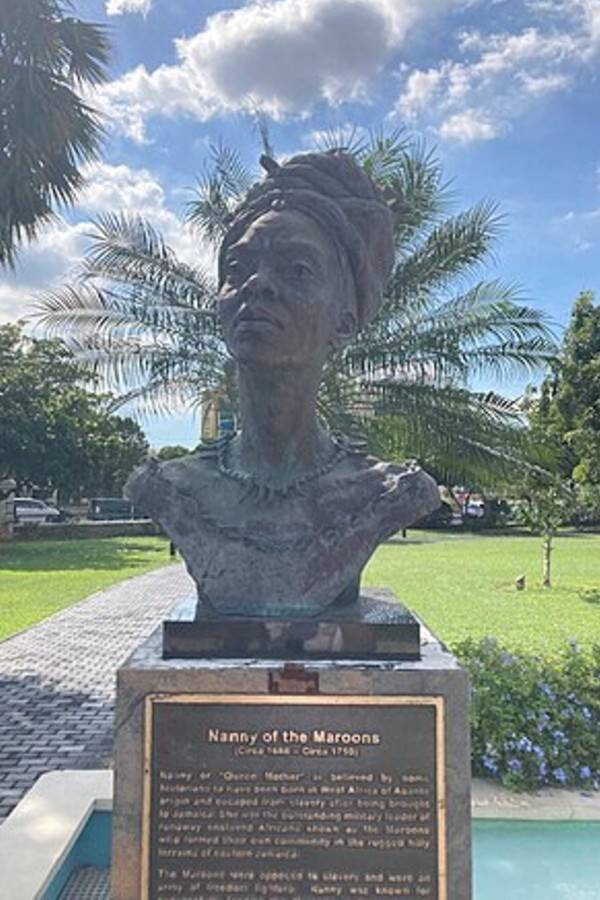
Jamaica1962/Wikimedia CommonsA statue of Nanny, the Maroons' Nurse. She continues to be a respected figure in Jamaica to this day.
Although many details about her life have been lost over time, Nanny, the Maroons' Nurse, is not forgotten. Forced into harsh conditions as a young woman, Nanny proved herself as a warrior, leader, and spiritual guide. Her extraordinary courage, skill, and determination resonate through the ages.







Comments
(4 Comments)