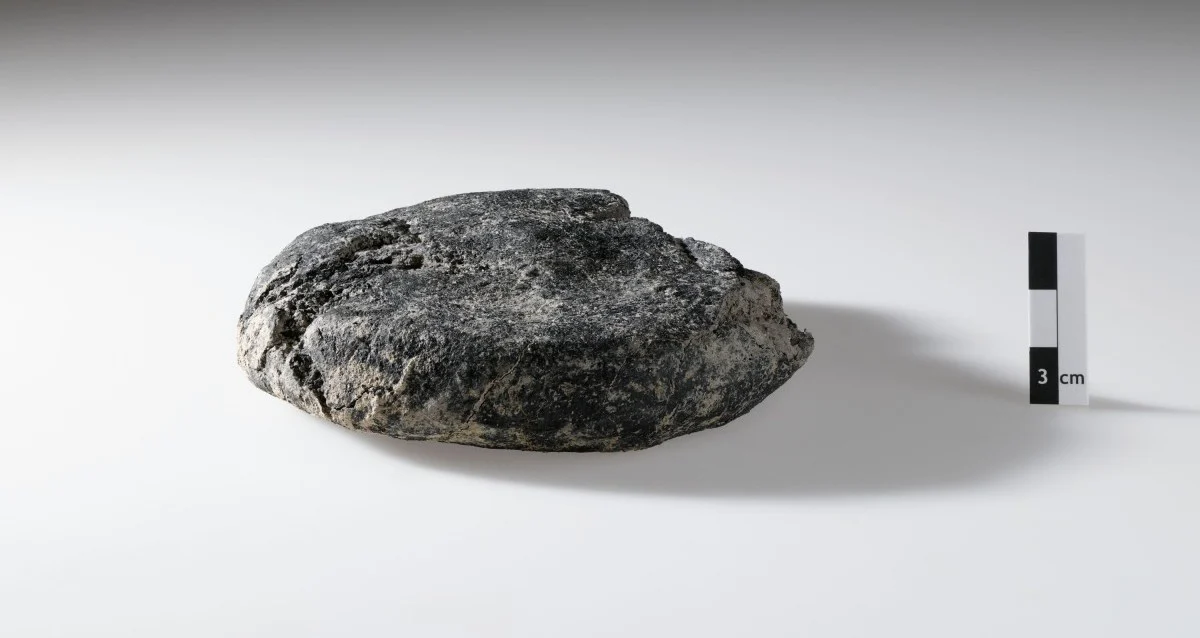
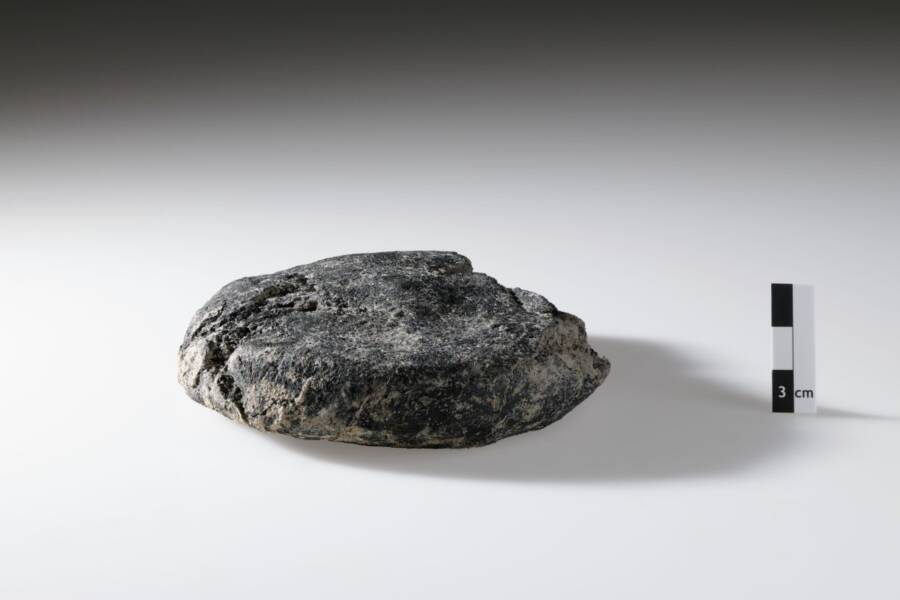
Aargau CantonThe burned piece of ancient Roman bread is quite small and was likely initially baked as flatbread.
In the town of Windisch, Switzerland, near an ancient Roman military camp known as Vindonissa, archaeologists discovered a “black, burned, round object” in the ground during excavations prior to a new housing project. As their curiosity grew, the archaeologists carefully excavated the object and took it to a laboratory. Further research revealed that this small black piece was ancient Roman bread — the first example found in Switzerland.
Although ancient bread has been found before, this is an extremely rare archaeological discovery. Both this bread and other new discoveries related to the Vindonissa camp may provide new insights into what life was like in Switzerland during the Roman period.
Burned Ancient Roman Bread Piece Found in Windisch, Switzerland
According to a statement from Aargau Canton, the Roman bread was discovered during a protective archaeological project prior to housing construction in Windisch. Many exciting Roman objects were found during excavations near the previously discovered Vindonissa military camp, providing new information about Vindonissa. However, the most striking find was the Roman bread.
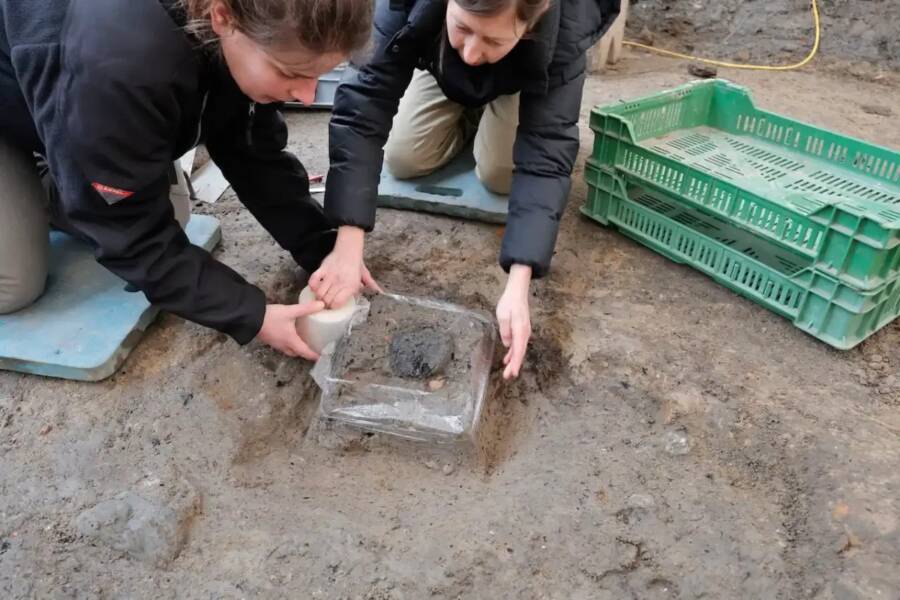
Aargau CantonArchaeologists are recovering the 2,000-year-old burned Roman bread piece.
The archaeologists who noticed the small black piece during the excavations in Windisch recovered the object and sent it to a paleo-botanist from the University of Basel for examination. They determined that the bread piece was indeed a rare Roman bread and had managed to survive burned for 2,000 years.
The bread is about four inches in diameter and just over an inch thick. Archaeologists believe it was likely baked as a small flatbread, but further scientific analysis is needed to determine the exact composition of the bread.
Regardless, this ancient bread is an extremely rare find. No Roman bread had been found in Switzerland before, and Roman bread rarely appears in archaeological records. Previously, only burned pieces of bread or loaves from ovens in Pompeii had been discovered.
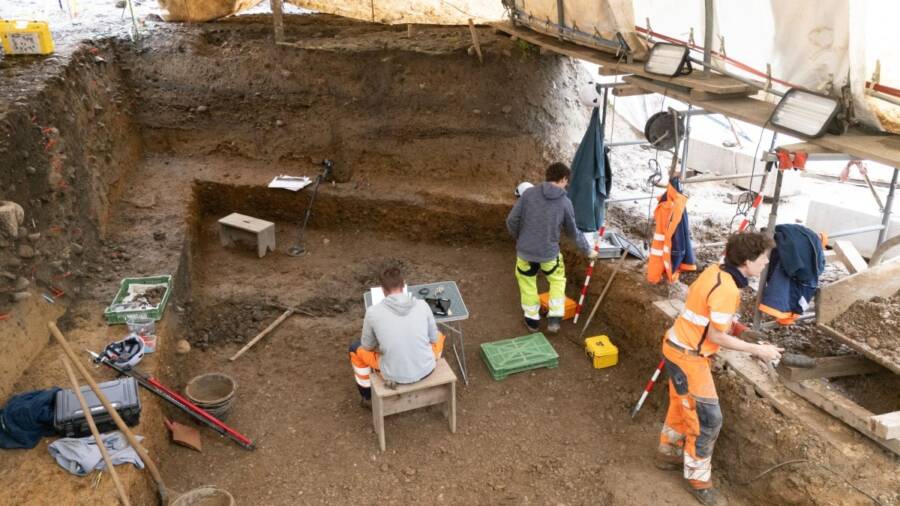
Aargau CantonArchaeologists working in Windisch found the burned Roman bread piece.
However, the archaeologists did not only find Roman bread in the Windisch excavations.
The Large Roman Military Camp Known as Vindonissa
The excavations in Windisch took place right in front of the previously discovered Vindonissa Roman military camp from the 1st century A.D. During the project, archaeologists found more evidence of military activities.
To the south and west, they uncovered evidence of fortifications that may be older than the camp’s defensive system, including remnants of “wood and earth” walls and another V-shaped trench. This provided archaeologists with new insights into the size of Vindonissa, suggesting that the camp began as a temporary military base and evolved into a permanent camp over time, reaching approximately 1,300 feet in length.
Indeed, archaeologists are not sure whether the camp grew during the reign of Augustus or whether the expansion only occurred after his death in A.D. 14.
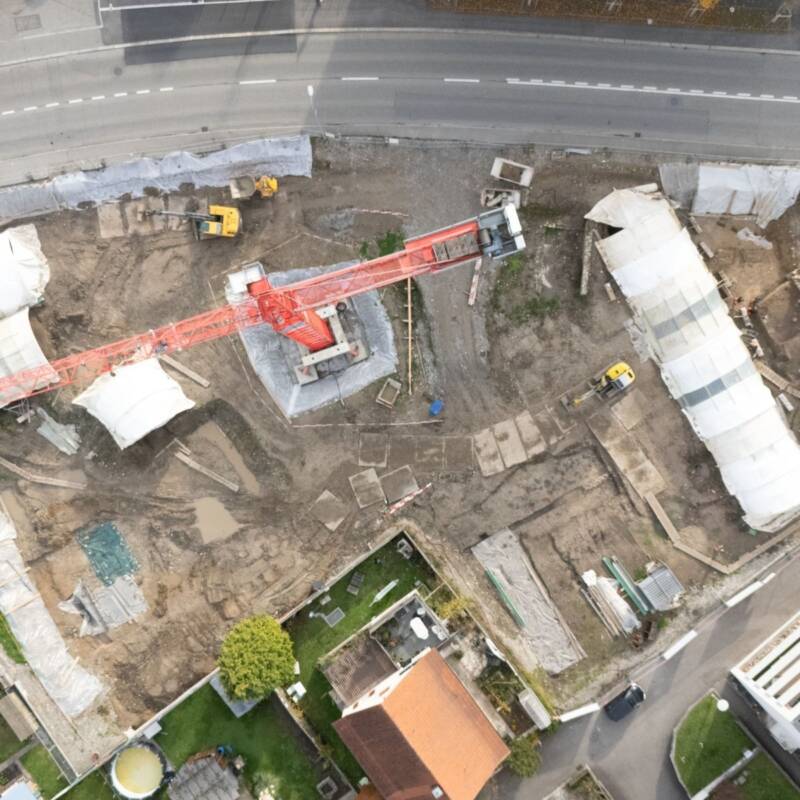
Aargau CantonAerial view of the archaeological site in Windisch.
During the excavations, there was also evidence of internal chambers that likely existed before the Roman camp, as well as “craft activities” from the Vindonissa period. Archaeologists uncovered metal tools, blacksmith debris, spearheads, and projectile points along with a large clay oven.
Therefore, the excavations in Windisch helped provide new information about what life was like around Vindonissa during the Roman period. However, the most remarkable discovery of the excavation is undoubtedly the piece of bread. Despite being small and burned, it is a rare and significant artifact from the ancient Roman period.
































Comments
(4 Comments)