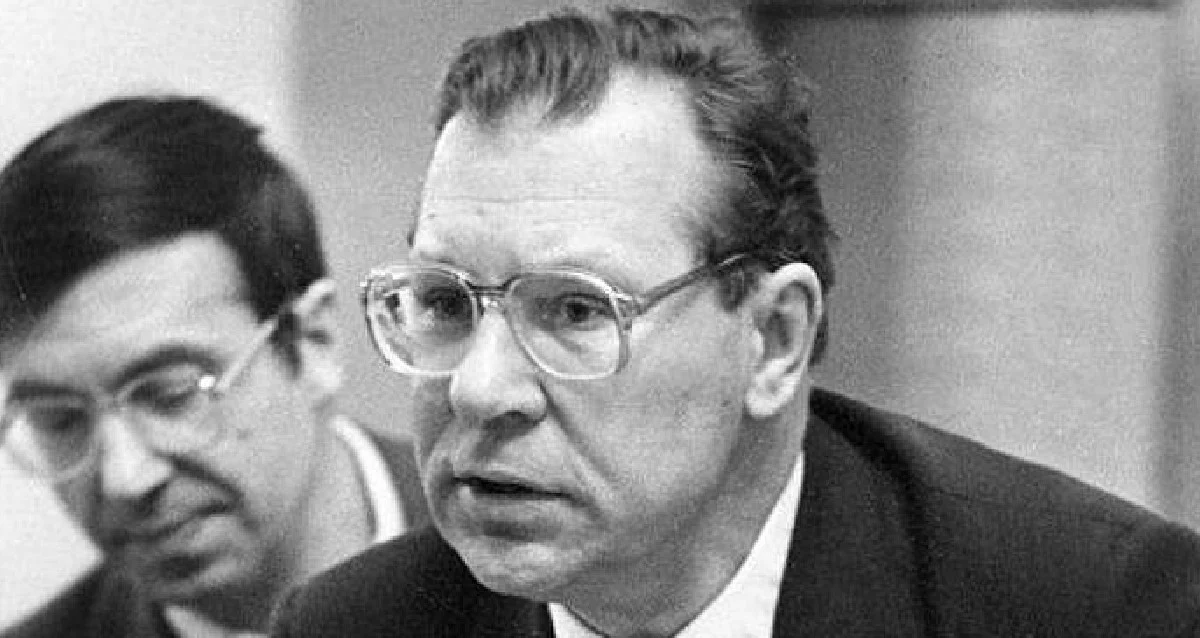
The worst nuclear disaster in world history occurred on April 26, 1986, when the Chernobyl Nuclear Power Plant experienced a catastrophic meltdown. And the person assigned to manage this situation was Valery Legasov.
Legasov, a chemist by profession, quickly took action to contain the Chernobyl disaster. Later, he led the investigation into the root causes of the disaster and shared his findings with the world. Despite being praised by the international community, Legasov was ostracized by scientists in the Soviet Union. Some thought he was too transparent; others were envious of his newfound fame.
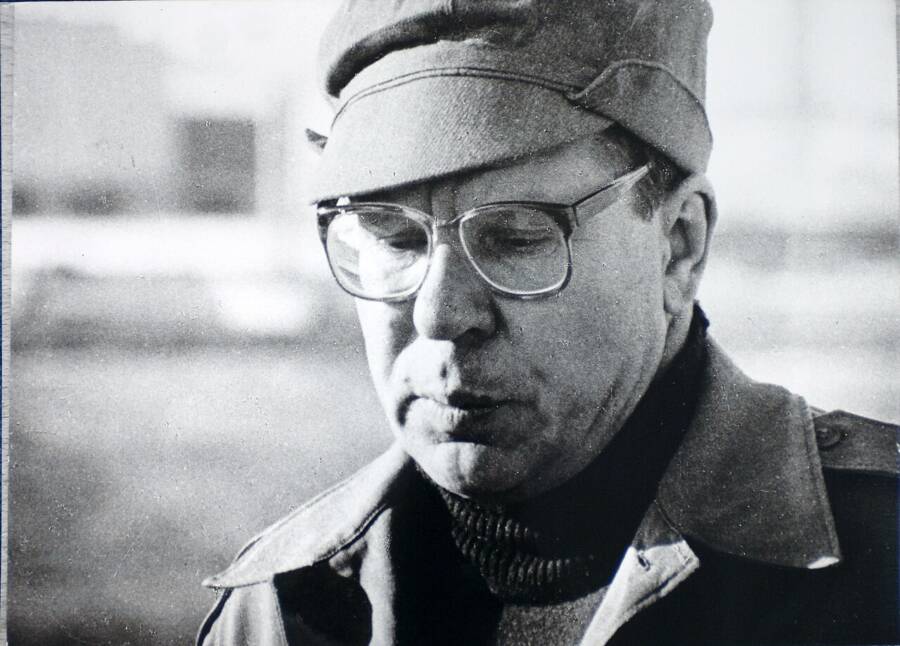
International Atomic Energy Agency/Wikimedia CommonsValery Legasov, the Soviet scientist investigating the Chernobyl disaster.
Tragically, he took his own life in 1988 — just one day after the second anniversary of the Chernobyl disaster. Legasov left behind many notes and recordings expressing his frustration with his government.
Here is his story.
Valery Legasov: The Soviet Chemist Called to Chernobyl
Born on September 1, 1936, in Tula, Russia, Valery Alekseyevich Legasov developed an interest in science at a young age.
After excelling in school, he attended the Mendeleev Moscow Institute of Chemistry and Technology, specializing in the nuclear industry, worked at the Siberian Chemical Plant to develop plutonium for nuclear weapons, and earned a Ph.D. from the Kurchatov Institute of Atomic Energy.
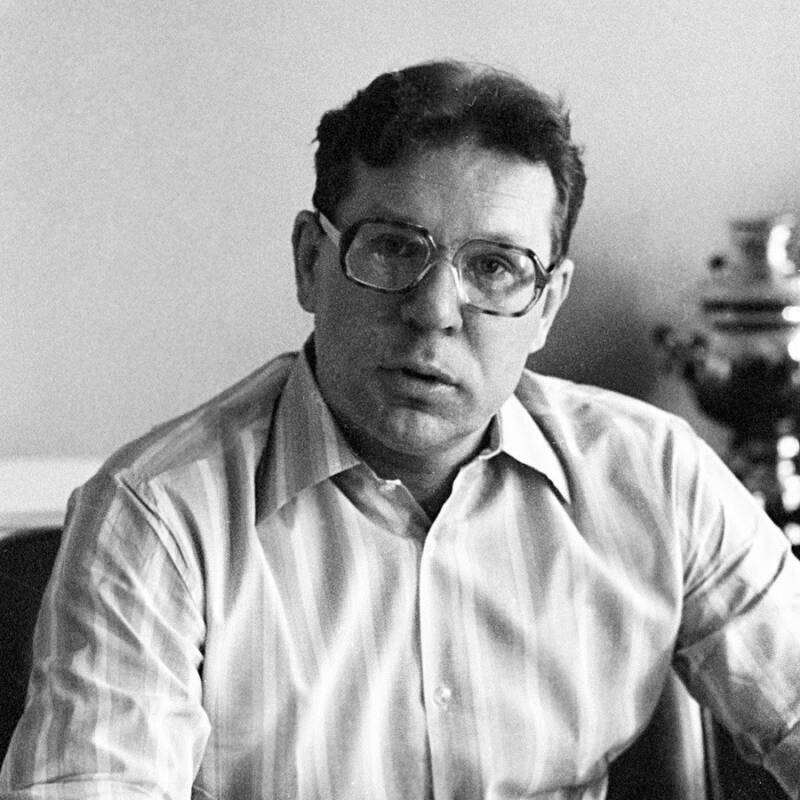
Valery Legasov was a prestigious Soviet scientist whose life changed after the Chernobyl disaster.
Legasov quickly gained a reputation in the field of inorganic chemistry and, at the age of 45, according to Russia Beyond, became one of the youngest members accepted into the Russian Academy of Sciences.
Indeed, everything was going quite well for Legasov in the 1980s. He was a father of two, had won numerous prestigious awards for his work, and held a strong belief in communism.
But everything changed on April 26, 1986.
That morning, around 1:00 AM, the fourth reactor of the Chernobyl Nuclear Power Plant in Pripyat exploded during a safety test. According to the Atomic Archive, the explosion blew off the reactor's 1,000-ton roof and released a large amount of radiation into the atmosphere.
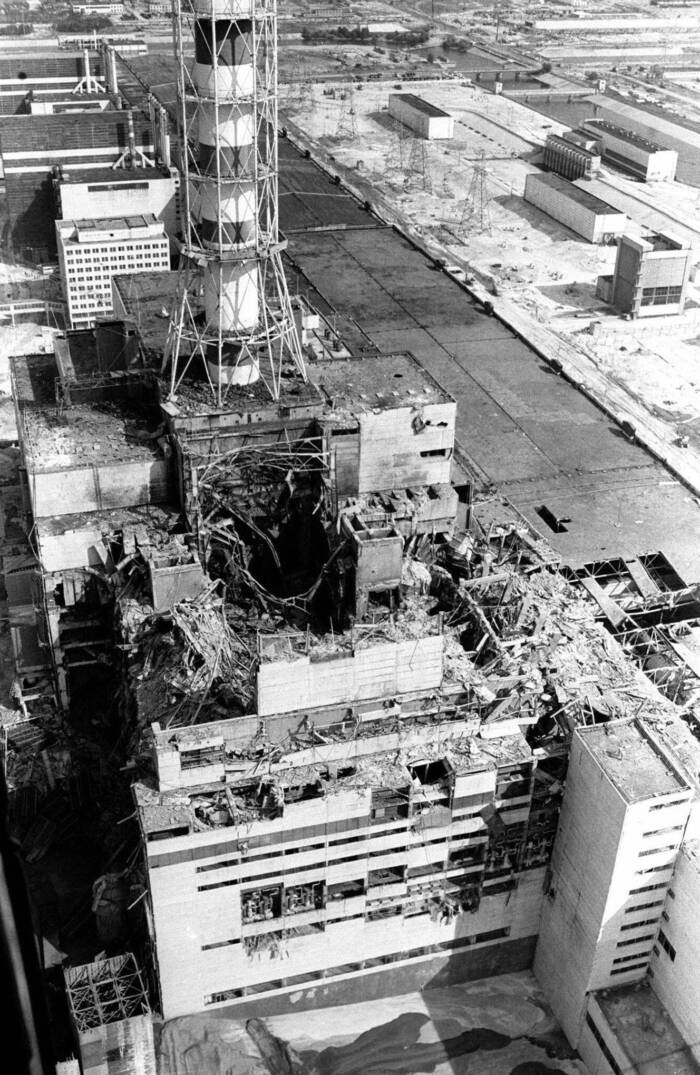
International Atomic Energy AgencyThe Chernobyl disaster began with the explosion of the fourth reactor of the nuclear power plant on April 26, 1986.
At the time, Legasov was at a meeting at the Russian Academy of Sciences and was called to join the state commission. He immediately went to Chernobyl and arrived there around 8 PM that night; at that time, a red glow was visible in the sky.
After that, Legasov got to work.
Efforts to Contain Chernobyl
When Valery Legasov arrived, the workers at Chernobyl were in chaos. They wanted to take action, but no one was giving clear instructions. Therefore, over the next few days, Legasov made several critical decisions.
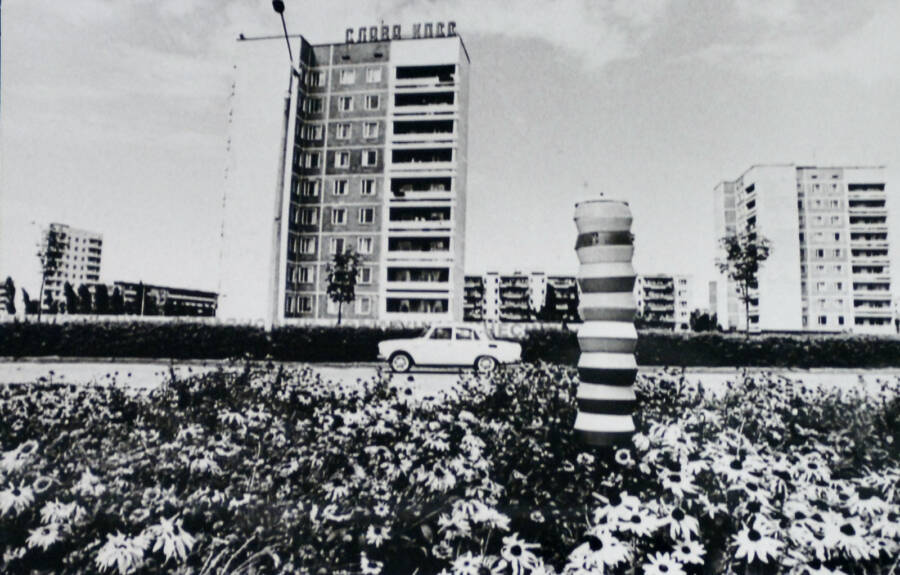
IAEA Visual BankThe Soviet city of Pripyat before the Chernobyl disaster.
First, he ordered the immediate evacuation of the nearby town of Pripyat, which at that time housed nearly 50,000 people. It took time for the information to spread — the next day, on April 27, Legasov noted that “mothers... pushing strollers and children playing in the streets - just like any other Sunday” — the evacuation went quite smoothly. However, some left in their own vehicles, which Legasov indicated was a situation that should not have been allowed, as it could spread radioactive contamination.
Afterwards, Legasov decided to pour a mixture of boron, lead, and dolomite clay onto the burning remnants of Chernobyl from a helicopter in order to extinguish the radioactive flames and prevent any chain reactions. According to MKRU, Legasov also flew over the area by helicopter five to six times a day for measurements after the incident.
However, Legasov pressured the government to form a "press group" to inform the public, but this group was not established.
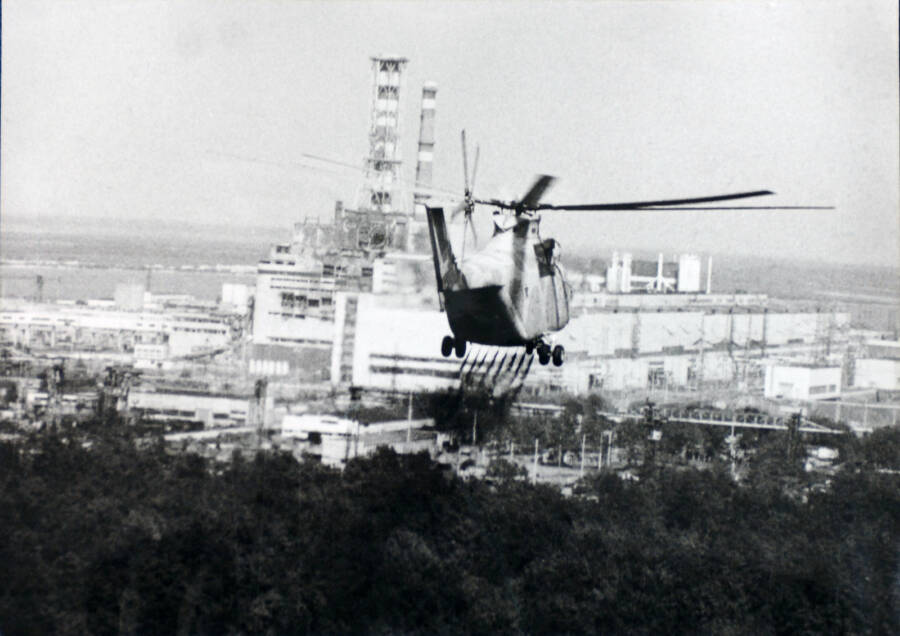
IAEA Visual BankA helicopter over Chernobyl.
“They tried to keep information secret because they were afraid of panic. This was the point where my father clashed with the country's leadership at that time,” says Legasov's daughter Inga Valeryevna. “My father suggested that informing the public would be better for people to understand what was happening and how they should behave.”
As a result, it fell to Valery Legasov to explain Chernobyl to the world.
Valery Legasov Explains Chernobyl — And Is Ostracized in the Soviet Union
In August 1986, Valery Legasov spoke before the International Atomic Energy Agency (IAEA) in Vienna to explain what the Chernobyl disaster was. The leader of the Soviet Union, Mikhail Gorbachev, had been called to explain the disaster, but Soviet officials thought it would be better for a scientist to go. Thus, Legasov went.
In front of 500 experts from 62 countries, Legasov spoke for five hours and answered questions for another hour.
Openly and honestly, he told the IAEA that the Chernobyl disaster was caused by many factors, including human error and fatal flaws in the reactor.
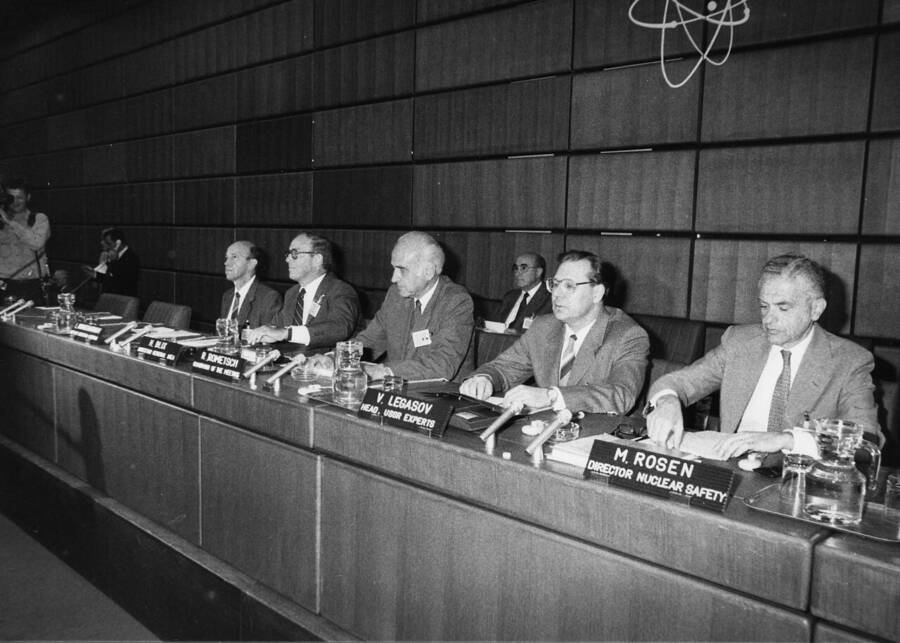
IAEA Visual BankValery Legasov was tasked with explaining Chernobyl to the international community and was praised for his honesty, but some thought he was too open.
International experts at the IAEA initially exhibited a hostile attitude — they were expecting Gorbachev to explain what had happened in Chernobyl — but they were impressed by Legasov's knowledge and openness. Afterwards, Legasov was named “Person of the Year” in Europe and ranked among the top 10 scientists in the world.
However, the reaction among Soviet scientists was different. Some thought Legasov was too open and shared classified information with the world. The Ministry of Medium Machine Engineering even believed that Legasov should be tried for sharing too much information. Meanwhile, other scientists felt jealousy towards Legasov's newfound fame, and thus he became increasingly ostracized within the Soviet scientific community.
Indeed, Legasov was not recognized for his work in Chernobyl. He was considered for the title of Hero of Socialist Labor, but this opportunity was missed. Instead, Legasov was given a personalized watch. To make matters worse, Legasov was not elected to the scientific and technical council of the Kurchatov Institute of Atomic Energy, where he had once been the deputy director; he was rejected by his peers with a vote of 129-100.
Meanwhile, Valery Legasov had also begun to experience the effects of radiation sickness.
The Tragic Suicide of Valery Legasov
Valery Legasov had begun to suffer from radiation sickness while investigating Chernobyl. According to Russia Beyond, he spent four months near the nuclear plant and developed symptoms of “nuclear bronzing” and hair loss on May 5, and experienced insomnia and a bad cough on May 15.
According to MKRU, he was ultimately diagnosed with radiation pancreatitis and stage 4 radiation sickness, and doctors found bone marrow damage. Legasov suffered from nausea and severe headaches and began to experience numbness in his limbs and fingers.
“Everything inside me is burned,” he was reportedly said to have told his friends.
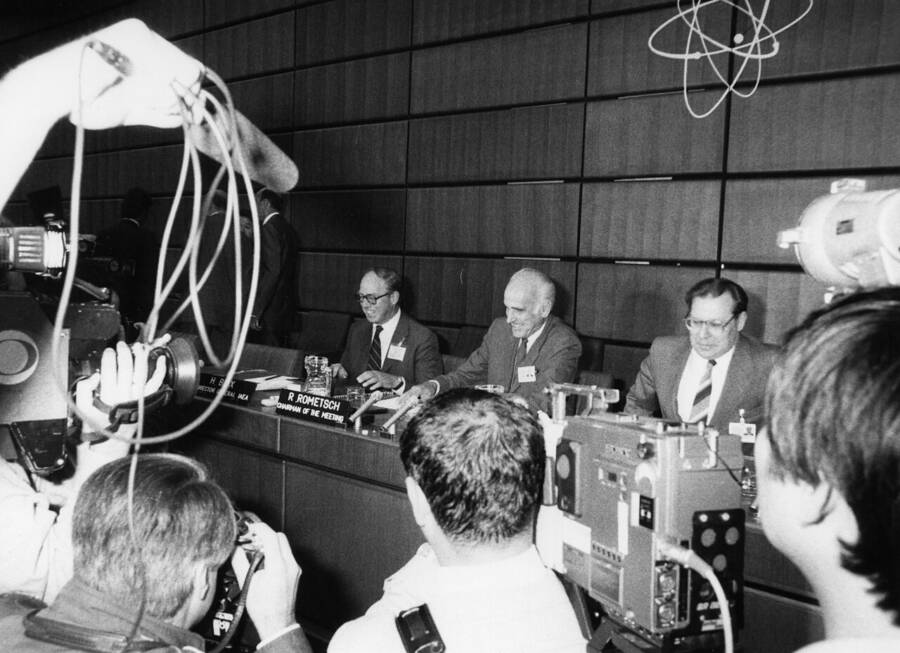
IAEA Visual BankDespite being named “Person of the Year” in Europe, Valery Legasov was becoming increasingly isolated at home and suffering from radiation sickness.
Ultimately, on April 27, 1988, one day after the two-year anniversary of Chernobyl, Valery Legasov committed suicide.
Legasov left no note, but he left memoirs discussing Chernobyl. Some claimed that parts of the memoirs were deleted; Legasov's daughter stated that she did not know if this was true, but that “the family archive has been preserved.”
Whether true or not, Legasov's memoirs are a harsh criticism of the Soviet system.
“After visiting Chernobyl... I concluded that the accident was an inevitable culmination of the economic system developed over decades in the Soviet Union,” he said.
“Scientific management and the carelessness of designers were everywhere; attention was not paid to the condition of tools or equipment... When you think about the chain of events that led to the Chernobyl accident, it is impossible to find a single culprit or a single trigger event, because it was like a closed circle.”
And despite being marginalized in his life, Valery Legasov's legacy was reassessed after his death. On September 20, 1996, he was posthumously awarded the title of “Hero of the Russian Federation,” and Russia's president Boris Yeltsin stated that he deserved this title for the “courage and heroism” he showed in his research. Meanwhile, Legasov was also portrayed in the 2019 HBO series “Chernobyl.”
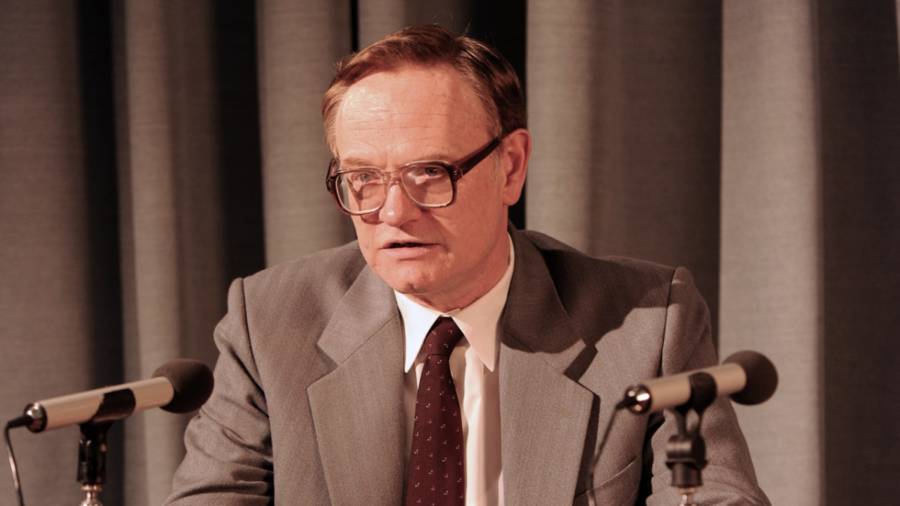
HBOActor Jared Harris portrayed Valery Legasov in the HBO series Chernobyl.
What is the situation in Chernobyl today?
The area is still radioactive and is surrounded by an exclusion zone of about 1,000 square miles. It continues to serve as a stark reminder of the world's worst nuclear disaster, even as the people who tried to stop the catastrophe are slowly forgotten.

Comments
(0 Comments)