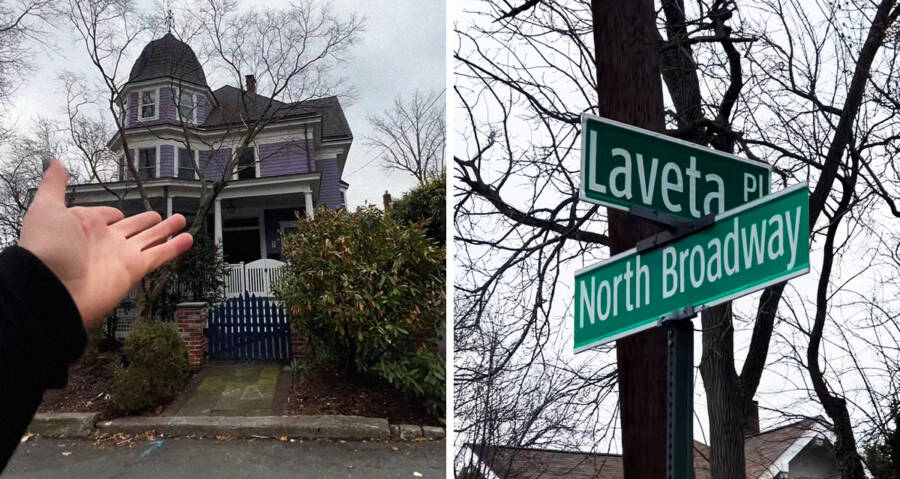
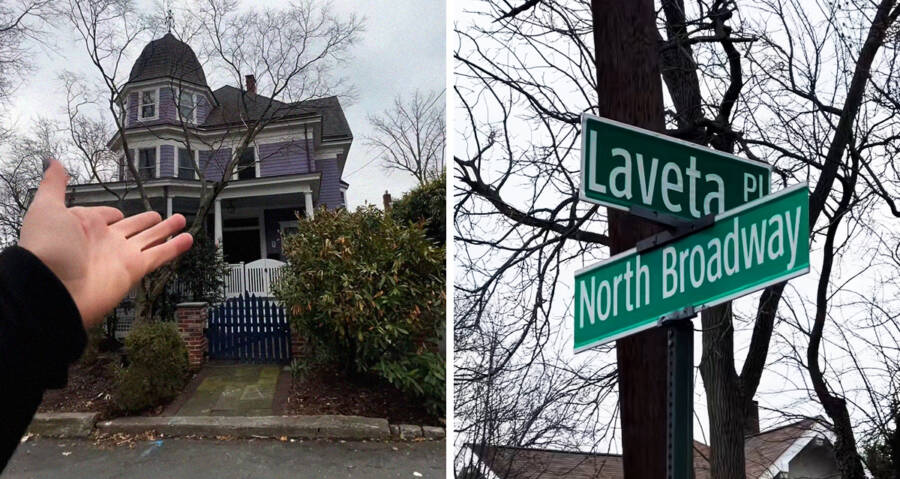
@ghoulplease_ TikTokA TikTok user took viewers to Nyack, New York to see America's only "legally haunted house."
According to a 2020 survey by Realtor.com, 13% of Americans believe their homes could be haunted. However, one house actually possesses legal documents to prove it.
In a video that has garnered over 751,000 views, TikTok user @ghoulplease_ tells the story of the only house in America declared "legally haunted." The house is located in Nyack, New York, and @ghoulplease_ shows the home's purple exterior in the video.
In her own words, "A woman named Helen Ackley lived in this beautiful Victorian mansion for over 20 years. Helen claimed the house was haunted by multiple poltergeists: footsteps heard in the hallways, doors that closed on their own — there was even a ghost that rocked her daughter's bed every morning at the exact same time."
As expected, Ackley eventually decided to sell the house in 1989. However, she did not disclose the existence of the alleged supernatural entities — nor did she hide that she even discussed this situation with publications like Reader’s Digest.
Buyer Jeffrey Stambovsky wanted to back out of the deal when he learned of the alleged haunting. This struggle eventually went all the way to the New York Supreme Court, which ruled in favor of the buyer in 1991.
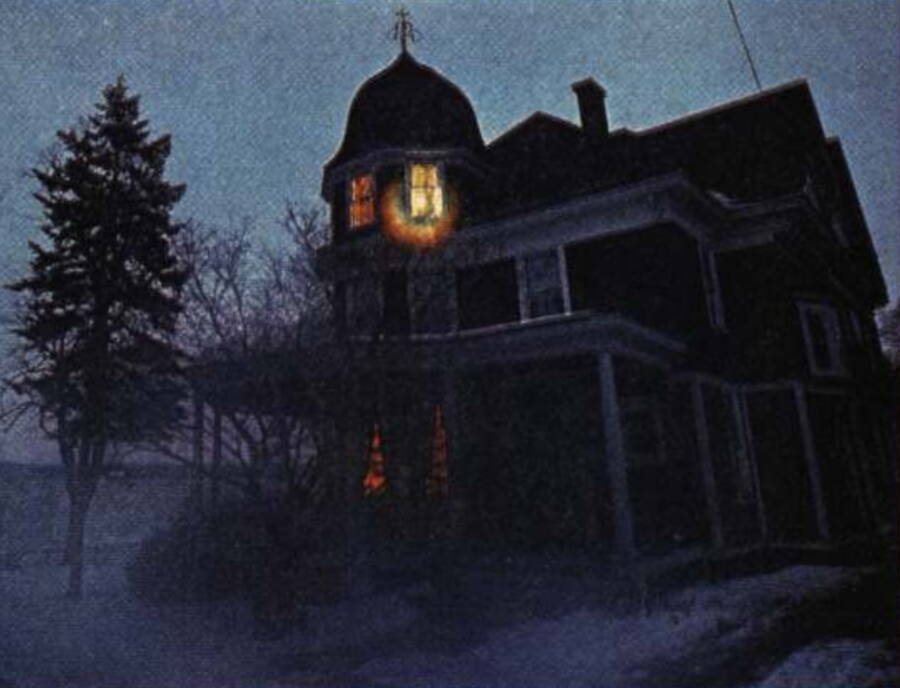
Reader’s DigestThe Ackley house, appearing with the alleged haunting featured in a Reader’s Digest article.
“Since Helen publicly claimed the house was haunted in a Reader’s Digest article, the court decided that the buyer was owed the same honesty,” summarizes the TikTok user. “Stambovsky won the case. He was able to back out of the sale, and thus this Victorian mansion became the first legally haunted house in the United States.”
What Does It Mean to Be a Legally Haunted House?
This case is a popular topic among both legal scholars and ghost enthusiasts. For the latter, it provides a legal precedent for the idea of ghosts. For the former, it is an exciting example of an extraordinary case they might encounter in their legal careers. To this day, in the legal world, the court's final decision in the Stambovsky v. Ackley case is referred to as the "Ghostbusters ruling."
However, this ruling does not prove that ghosts are real — nor does it show that someone must disclose their doubts about supernatural entities before selling a house. In fact, when delving into the details of this case, the description of "legally haunted" becomes a bit more complex.
In context, Helen Ackley was not just someone who experienced an alleged haunting — she was actively promoting the idea that the house was haunted. According to the In Custodia Legis blog from the Law Library of Congress, this promotion included not just one Reader’s Digest article but articles in other publications as well. The alleged haunting of the house was so well-known that local walking tours referred to it as "a riverside Victorian (haunted)."
Buyer Jeffrey Stambovsky was unaware of this before making an offer and paying the deposit on the house. However, when he learned of the house's notorious reputation, he attempted to back out of the deal, leading to one of the biggest court battles in history.
Stambovsky v. Ackley: Court Decides Whether the House is Haunted
The New York Supreme Court did not make a legal determination about whether ghosts are real, nor did it declare whether the house was truly "haunted."
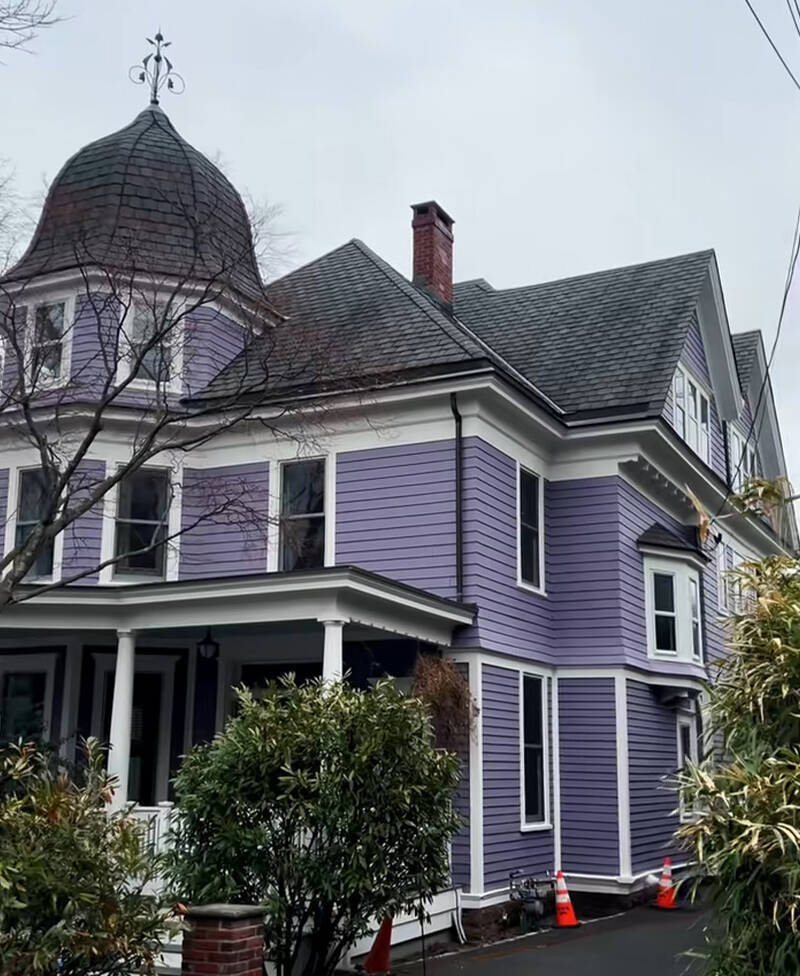
@ghoulplease_ TikTokA close-up view of the Ackley house after it was painted purple.
Instead, it focused on the reputation of the house. The Ackley family made many public statements over the years about the house being haunted. This included claims that the family received mysterious gifts and that they had disappeared — and that they often saw ghosts appearing.
When Stambovsky brought this case to the New York Supreme Court, the court dismissed the case based on caveat emptor — which means "let the buyer beware." This essentially means that the buyer has the responsibility to do the necessary research before purchasing a property.
However, when Stambovsky appealed, the appellate court sided with him. In their words, "However, it must be clear that even the most diligent scrutiny and investigation would not uncover the existence of [ghosts] on the property or reveal the property's horrific reputation in the community. Therefore, there is no strong policy reason to deny the plaintiff's request for relief due to the failure to discover a situation that even the most careful buyer would not consider."
In short, the court found that Ackley had concealed significant information about the reputation of the house that Stambovsky would not be able to find through normal inspections. This is important for a buyer, as a "haunted" reputation — even if not true — can affect property values in subsequent sales.
Consequences of the Stambovsky v. Ackley Ruling
This is a landmark case in legal discussions regarding "stigmatized properties." According to the National Association of Realtors, this term refers to properties that have a potentially negative reputation, such as homes where a crime has occurred or properties that owners believe to be haunted, as in the Ackley case.
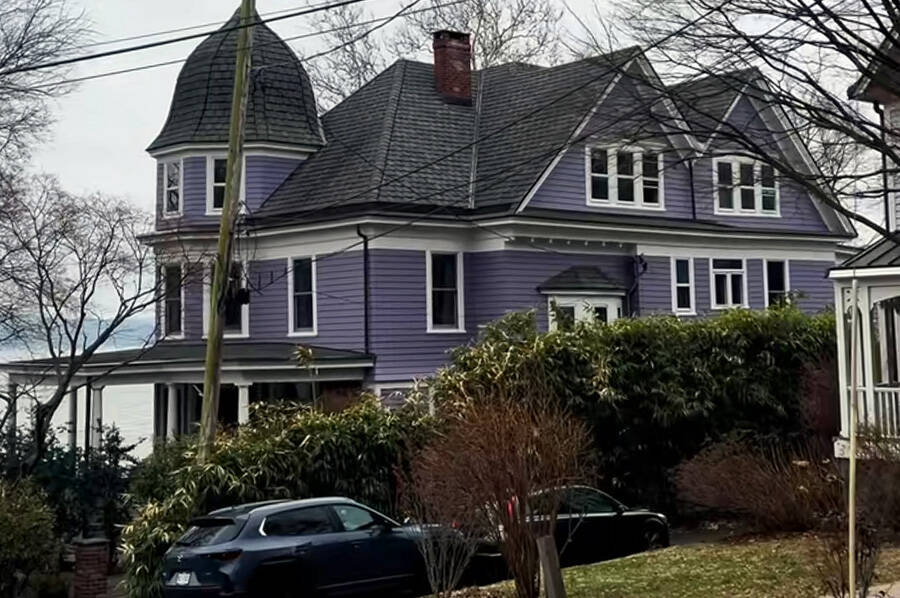
@ghoulplease_ TikTokThe house was sold in 2021 for $1.8 million to an undisclosed buyer.
Depending on the state, a modern seller may not be required to disclose information about the reputation of the house. For example, in New York, a seller is not required to disclose whether the property is the site of a death, regardless of the cause. In contrast, sellers in Alaska are required to disclose whether there has been a murder or suicide on the property in the last year.
Regarding the house, it changed hands several times over the years after the lawsuit. In the year the legal ruling was made, the house was sold to filmmaker Adam Brooks. Brooks then sold the house to singer Ingrid Michaelson, who then resold it to Matisyahu. In 2020, the listing agency claimed that none of the subsequent owners reported any hauntings.
The house was resold in 2021 for $1.8 million to an undisclosed buyer. Redfin currently estimates its value at $2.6 million. Sometimes, being haunted pays off.
Other Famous Haunted Houses Outside of Ackley House
The idea of a "haunted house" is certainly not a new one. Several significant events made headlines in the years before the Ackley case, and some of these stories developed in the same region.
The most famous is the notorious Amityville house on Long Island, which inspired the 1979 horror film The Amityville Horror. In 1974, a man named Ronald DeFeo killed six members of his family, and since then, families living there — most famously the Lutz family — have made claims about supernatural occurrences.
Meanwhile, there is the The Conjuring house located in Harrisville, Rhode Island. In 1971, the Perron family moved into this farmhouse, and the supernatural horror series is based on the experiences they allegedly had while living there.









Comments
(4 Comments)