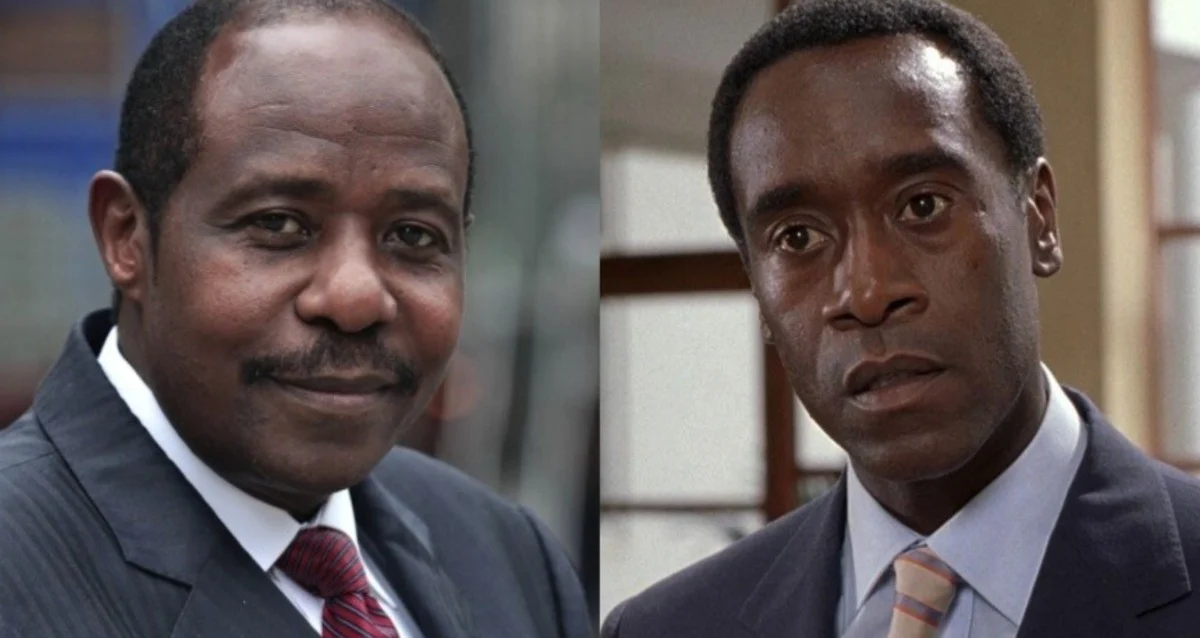
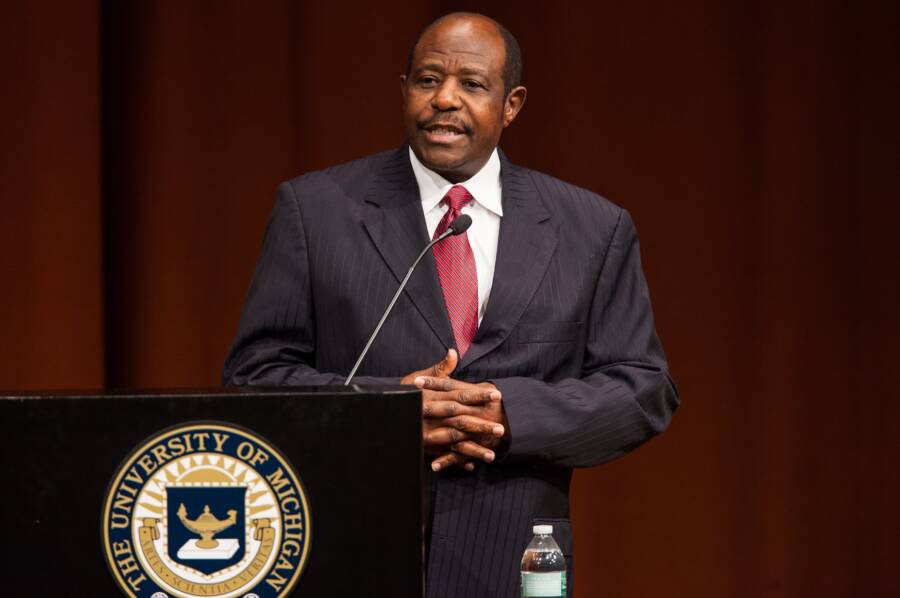
Flickr/Gerald R. Ford School of Public PolicyPaul Rusesabagina in 2014.
In 1994, the small African country of Rwanda witnessed one of the most horrific genocides of the 20th century. In just 100 days, approximately 800,000 people from the minority Tutsi population were slaughtered by extremist Hutu militias. As the genocide spread, hotelier Paul Rusesabagina found himself at the center of this sectarian violence.
As a hotel manager in Kigali, Rusesabagina took action by sheltering as many terrified people as possible at the Hôtel des Mille Collines during the genocide. His courageous actions were dramatized in the 2004 film Hotel Rwanda, and Rusesabagina ultimately saved the lives of over 1,200 people.
This is the incredible true story of the brave hotelier Paul Rusesabagina from the film Hotel Rwanda.
Paul Rusesabagina's Early Life
Born on June 15, 1954, in Kigali, Rwanda, Paul Rusesabagina was raised by a Hutu father and a Tutsi mother. Despite the tensions that would later erupt between the two groups, they had lived side by side in peace for centuries. According to Der Spiegel, colonizers like Germany and Belgium were the ones who incited conflict between the two ethnic groups.
But that happened later. Rusesabagina grew up in a poor but stable family as one of nine children. In his autobiography published in 2007, An Ordinary Man: The True Story Behind Hotel Rwanda, he recalls that he and his siblings grew up “without shoes” and in a house made of “mud and branches.”
“Our family had rows of sorghum and banana plants planted on the slopes of two hills, which made us a solid middle class by rural African standards in the 1950s,” he recounted. “Of course, we would be considered quite poor from the perspective of a European country, but that was all we knew, and there was always food.”
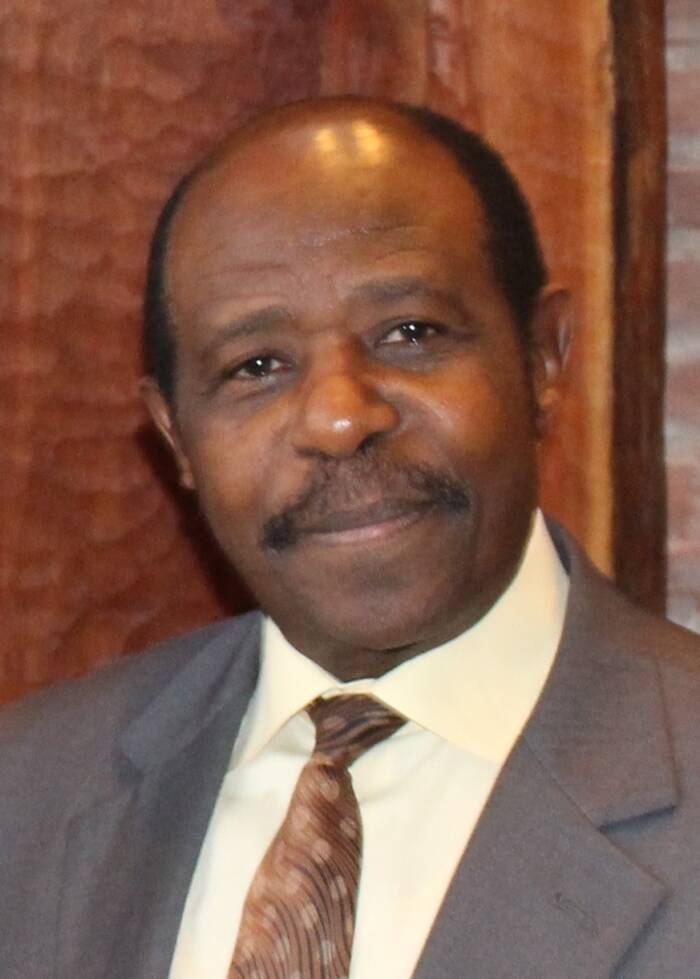
US Embassy Sweden/FlickrAfter considering becoming a minister, Paul Rusesabagina eventually entered the hospitality career.
Rusesabagina was educated at the Seventh-day Adventist College in Gitwe and became fluent in English, French, and his native Kinyarwanda. He initially wanted to become a minister, but he began to take more interest in the hospitality sector. After enrolling in a hotel management program, Rusesabagina was hired at the Hôtel des Mille Collines.
During this time, Rusesabagina got married and had three children. He legally separated from his first wife in 1981 and married his second wife, Tatiana Mukangamije, whom he met at a wedding in 1989.
Everything was going well for Paul Rusesabagina. But everything changed in the spring of 1994.
The Start of the Rwandan Genocide in April 1994
As Paul Rusesabagina was making progress in his career and personal life, civil unrest was escalating throughout Rwanda. There had been horrific acts of violence between the majority Hutu group and the minority Tutsi group, but events dramatically escalated when Rwandan President Juvénal Habyarimana's plane was shot down over Kigali in April 1994.
To this day, it is unknown who shot down the president's plane. However, the consequences of this act were chillingly clear. Habyarimana was of Hutu ethnicity, and Hutu extremists used his death as a pretext to attack the minority Tutsi population.
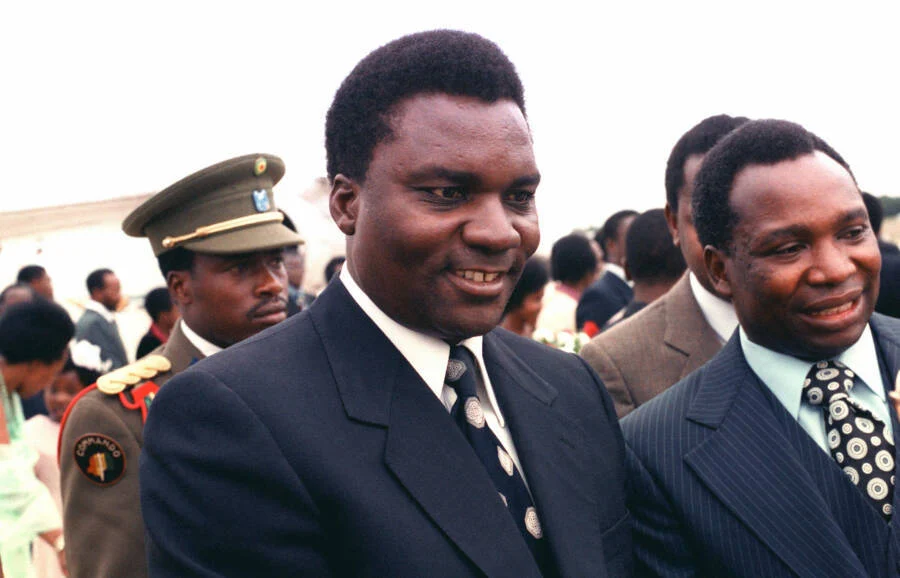
Wikimedia CommonsPresident Habyarimana was killed on April 6, 1994.
Hutus began to roam the country with knives and rifles. They raped Tutsi women, mutilated and killed Tutsi men, and attacked moderate Hutus. Tutsis fled to churches and community centers; here they were often killed en masse, and United Nations forces, under the command of Roméo Dallaire, were powerless to stop the violence in Rwanda.
The Rwandan genocide had begun.
As Paul Rusesabagina wrote, the violence spread across the country at a terrifying speed. On the first night of the genocide, the streetlights in Kigali were turned off, and Hutu forces quickly established checkpoints throughout the city.
“In the end, the roadblocks would be made of human corpses,” he wrote. “Every vehicle that came was searched to check the ethnic origin of the identification documents. Those identified as Tutsi were pulled aside and hacked to pieces with knives.”
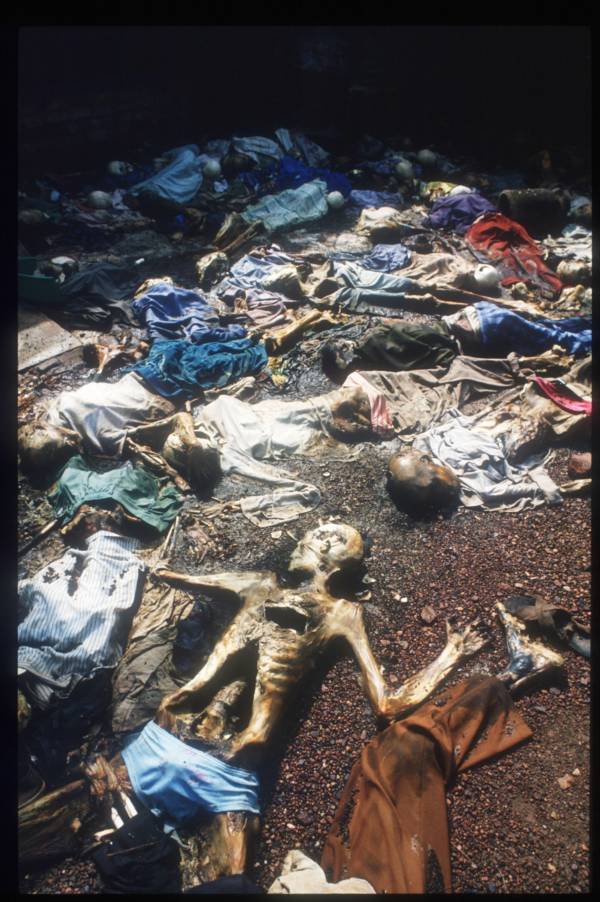
Scott Peterson/Liaison/Getty Images
Victims of the Rwandan genocide. May 25, 1994.
And for Rusesabagina, the violence was personal. His wife was Tutsi.
The True Story of 'Hotel Rwanda'
On the day the Rwandan genocide began, Paul Rusesabagina brought his family to the Hôtel des Mille Collines for safety. Around them, Kigali had become the scene of a horrific outbreak of violence, Rusesabagina recalls in his autobiography.
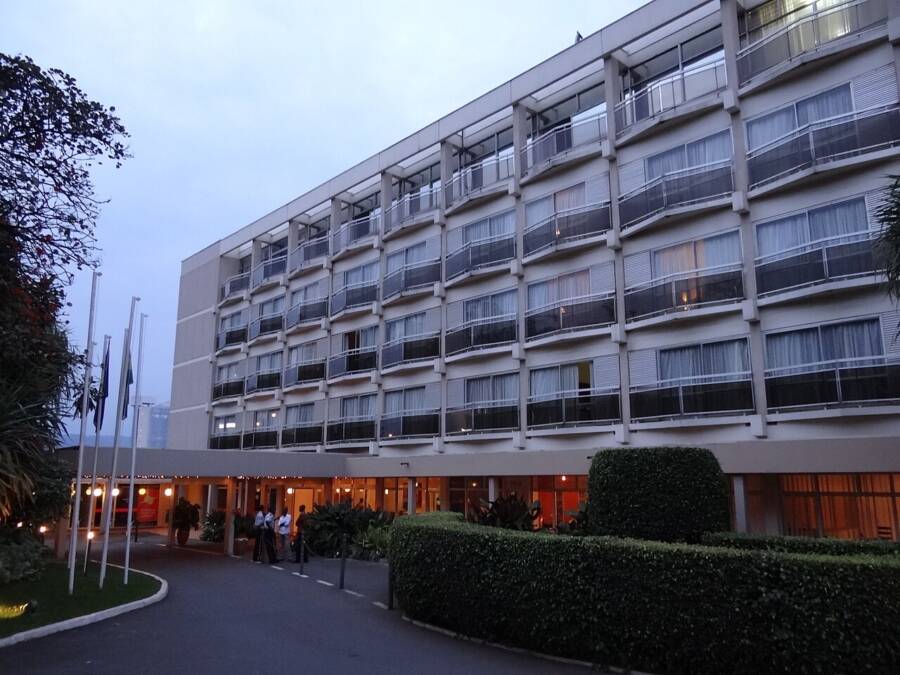
Adam Jones, Ph.D./Wikimedia CommonsThe Hôtel des Mille Collines, where Paul Rusesabagina sheltered hundreds of refugees.
“Doctors were pulled from their homes and shot in the head,” he wrote. “Elderly women were stabbed in the throat. School children were hit on the head with pieces of wood and their skulls were smashed on the concrete with shoe heels. The elderly were thrown into latrine pits.”
The next day, hundreds of Tutsi and moderate Hutu flocked to the 113-room hotel seeking refuge. According to The Guardian, many hoped that the presence of white foreigners could protect them. However, within a few days, the foreigners were evacuated. On the other hand, Rwandans were trapped.
As crowds roamed the streets, the hotel became a sanctuary. Rusesabagina did everything he could to protect the hundreds of people inside. He bribed Hutu generals with alcohol, tried to prevent attacks from Hutu extremists using his international connections, and provided frightened refugees sheltering in the hotel with meals of beans and rice.
“What Paul did was extraordinary,” said refugee Thomas Kamilindi, a radio journalist who sheltered in the hotel during the Rwandan genocide, to The Guardian. “He gave us the hotel for free. When the water in the pool ran out, he sent a truck to get more water, I don’t know where he got it from. When they threatened the hotel, he called army officers, opened the cellars, and distributed wine and champagne.”
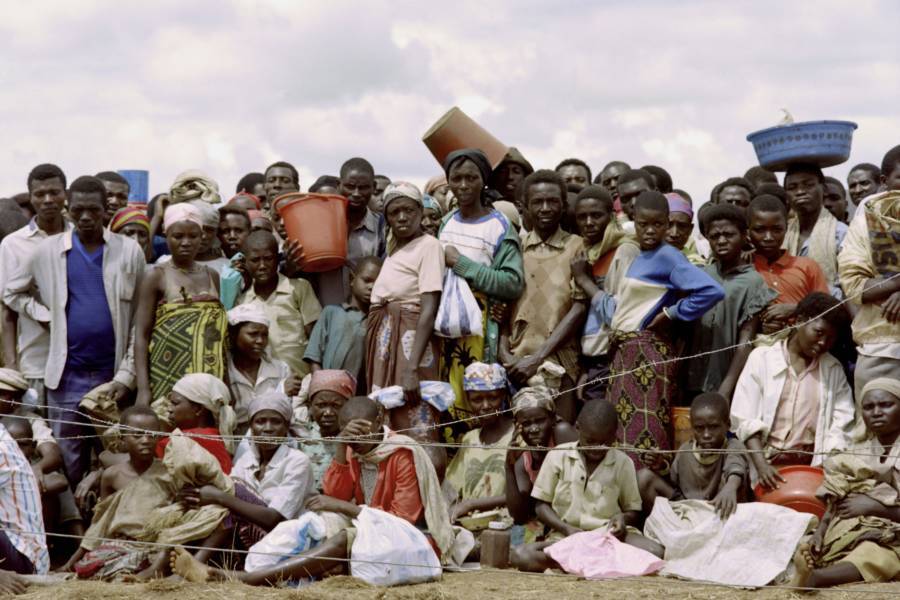
ALEXANDER JOE/AFP/Getty Images
Rwandan refugees. May 1994.
Indeed, Paul Rusesabagina saved 1,268 Hutu and Tutsi refugees by keeping the violence outside the hotel for 11 weeks. However, not everyone was so lucky. When the Rwandan genocide ended 100 days after it began, approximately 800,000 people had been killed by Hutu extremists.
According to survivors, Rusesabagina's calm demeanor, quick thinking, and courage kept everyone safe inside. While Hollywood dramatized some aspects of Rusesabagina's actions, many testimonies confirmed that the hotelier prevented extremist killers from entering.
However, the film contained inaccuracies in other respects. And it did not cover what happened to Paul Rusesabagina after the genocide.
Paul Rusesabagina After the Genocide
At the end of Hotel Rwanda, Paul Rusesabagina and his wife are evacuated and safely reach a well-managed refugee camp in Kabuga. In real life, Rusesabagina described the refugee camp as a “theft zone” and said he had to “search for food” and that “the air was filled with crying.”
In 1996, he moved to Belgium as a refugee with his family, where he worked as a taxi driver, and later they settled in Texas. His story was not widely known until the release of Hotel Rwanda in 2004. The film, starring Don Cheadle, presented a dramatized yet fairly accurate account of his actions during the genocide.
Rusesabagina became a public advocate for peace, participated in humanitarian efforts, and frequently spoke at universities and conferences. In 2005, he received the Freedom Medal from then-President George W. Bush. However, Rusesabagina also faced challenges.
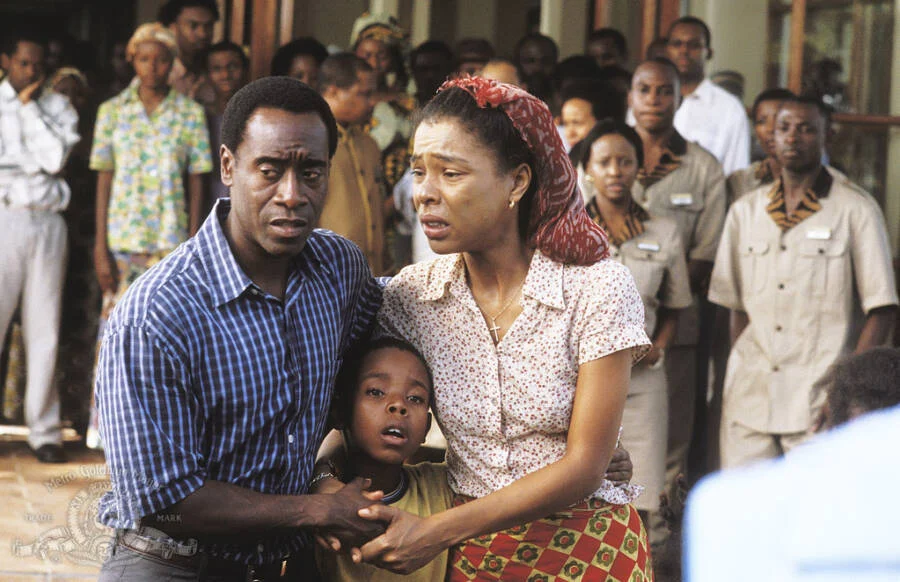
Lionsgate FilmsDon Cheadle as Rusesabagina in Hotel Rwanda.
In 2020, Rusesabagina was kidnapped by Rwandan authorities and was tried for alleged connections to an armed group called the National Liberation Forces. Rusesabagina was sentenced to 25 years in prison on terrorism charges, but in 2023, his sentence was reduced under pressure from Rwanda, the United States, and Qatar.
Rusesabagina later returned to Texas and began to live a quiet life. However, those he saved in 1994 never forgot him.
“During the time we were refugees, no one was killed, injured, beaten, tortured, thrown out, or taken back from the hotel,” said Kamilindi in a 2,000-word testimony recorded in 2005. “Paul Rusesabagina achieved the impossible to save our lives at a time when others were slaughtering their own children and spouses.”
Comments
(4 Comments)