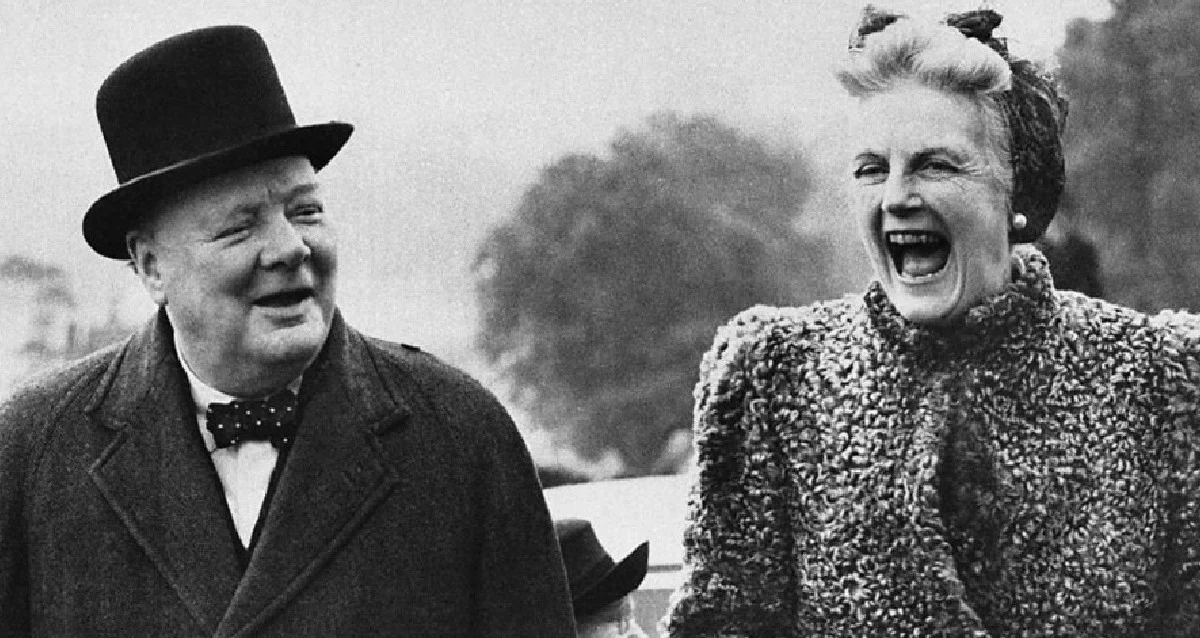
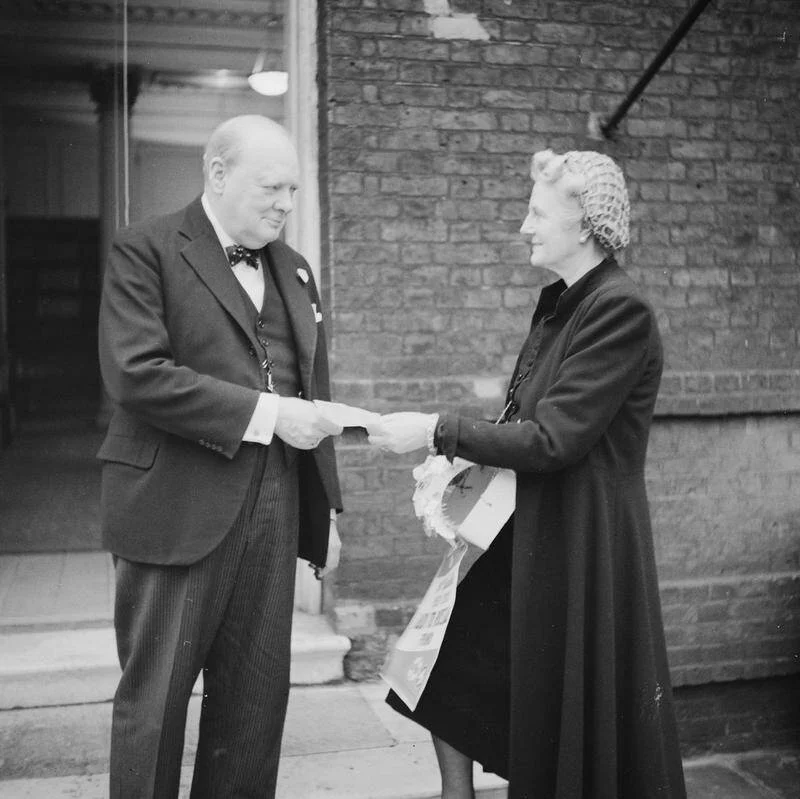
Imperial War Museum Clementine Churchill and her husband Winston Churchill during World War II.
Clementine Churchill was known as Lady Clementine, "Clemmie," "Cat," and "the woman to whom obedience is owed." However, she was primarily recognized as the wife of Winston Churchill; she was a woman who rose from humble beginnings to become part of one of the most significant political partnerships of the 20th century.
With "sapphire blue eyes," Clementine was much less known than her famous husband. However, she played a significant role behind the scenes as a statesman and tactician. Clementine clashed with her husband over women's rights and diplomatic strategy. And she pushed him to prioritize everyday people.
"Perhaps history would have been different if my father had married a compliant yes-woman," says Clementine, and Winston's daughter Mary adds, "he could have had an easier time at home. But my mother had the will and capacity to stand up to my father; she could confront and debate with him... I always thought my father married someone equal to him in spirit and temperament."
Winston Churchill, the Prime Minister who kept Britain standing during World War II, also credited his wife. He once stated that Clementine Churchill "made my life and everything I do possible."
This is the story of Winston Churchill's wife, Clementine Churchill.
The Turbulent Early Years of Clementine Hozier
Born on April 1, 1885, Clementine Ogilvy Hozier had a tumultuous childhood.
Her father's name was Sir Henry Montague Hozier, and he was an officer in the British Army, while her mother, Henrietta Blanche Hozier, was the daughter of a count. However, both were unfaithful during their marriage. It is widely believed that Sir Henry was not Clementine's biological father and that he was not the father of her three siblings either.
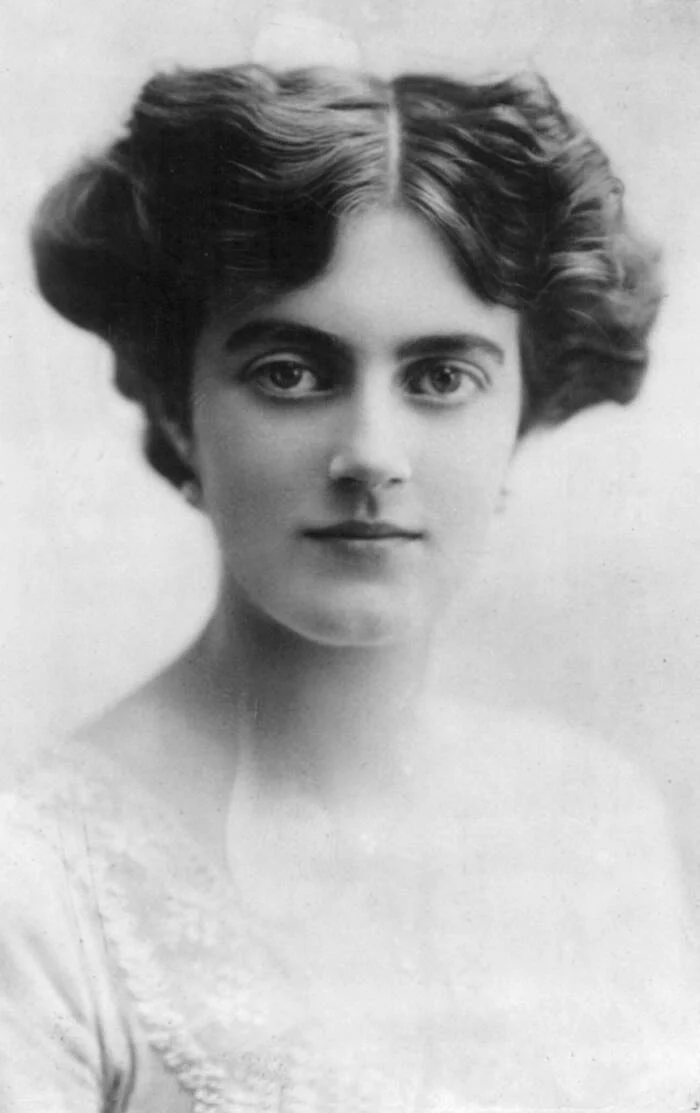
Library of CongressClementine Churchill in 1915.
In 1891, Clementine's parents separated, and Sir Henry refused to support the family. This situation put Clementine and her siblings in a difficult financial position, and her mother's gambling addiction worsened the situation. The family had to move multiple times throughout Clementine's childhood to escape creditors.
This was not the only challenge Clementine Hozier faced. In 1900, at the age of 16, she lost her beloved sister Kitty to typhoid.
Despite all these early challenges, it seemed that Clementine Hozier had a bright future ahead. At 17, she went to the Sorbonne University in Paris and briefly got engaged to Sir Sidney Peel, the grandson of a Prime Minister.
Then, in 1904, she crossed paths with Winston Churchill.
The Marriage of Winston and Clementine Churchill
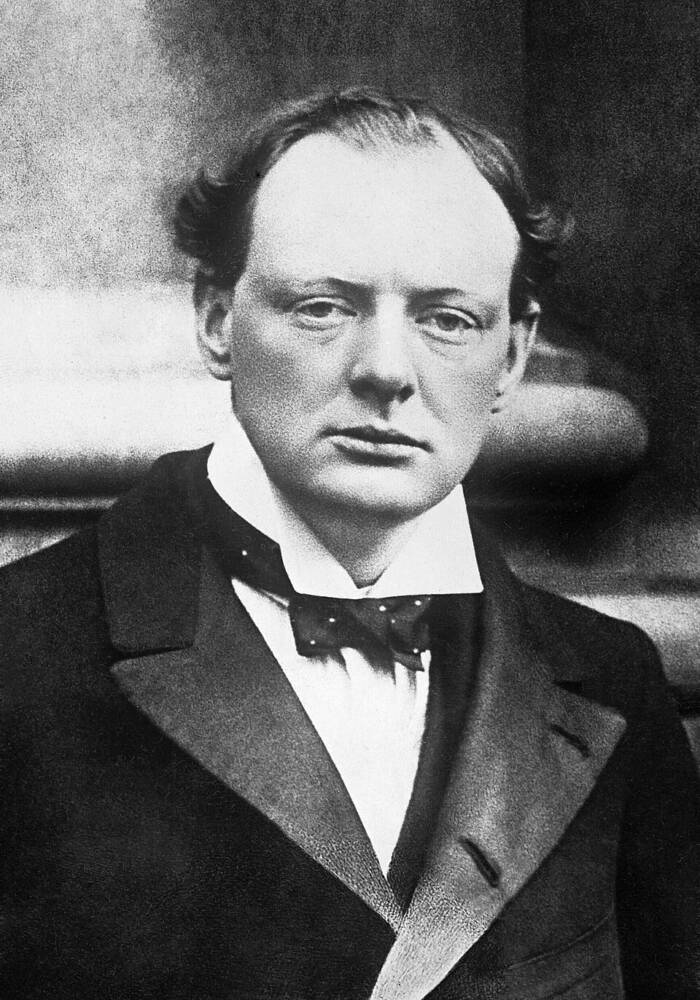
Public DomainWinston Churchill in 1904, the year he first met Clementine.
The first moment Clementine Hozier met Winston Churchill was not very promising. The 19-year-old Clementine was not impressed by the 29-year-old Churchill, who held a seat in Parliament at the time. She remembered him "looking at her carefully," but he said very little and did not ask her to dance.
However, four years later, everything changed.
When both reluctantly attended a party, they sat next to each other. They talked about philosophy and history all night — and Winston proposed a few months later. Clementine accepted.
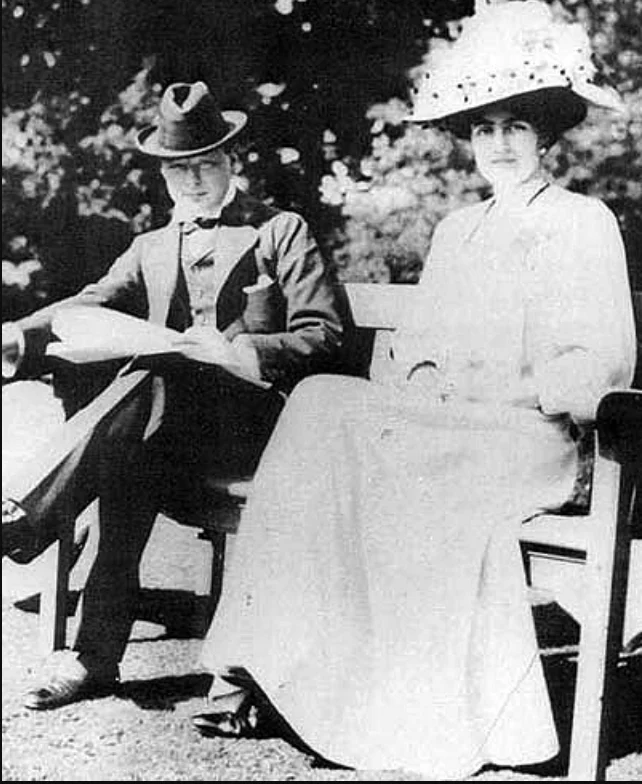
Wikimedia CommonsClementine Hozier and Winston Churchill in 1908, shortly before their wedding.
According to Tatler, newspapers praised Clementine for having "a Queen's profile" and her marriage to the rising political star was dubbed "the wedding of the year." However, some members of British society found this union strange. Winston was a war hero; Clementine's life had started with scandals and she was making her own clothes.
However, on September 12, 1908, Winston and Clementine Churchill got married in London. They would stay together for 56 years, until Winston's death, and Clementine would play a significant role in her husband's political rise.
‘I Tell Clemmie Everything’
In the first 14 years of their marriage, Winston and Clementine Churchill had five children, one of whom, Marigold, passed away at the age of two. In addition to her household responsibilities, Clementine was often busy accompanying her husband as a politician's wife.
In 1909, during an event, she saved Winston's life when a militant women's rights advocate pushed him in front of a moving train. Clementine jumped forward, grabbed her husband by his cloak, and pulled him to safety.
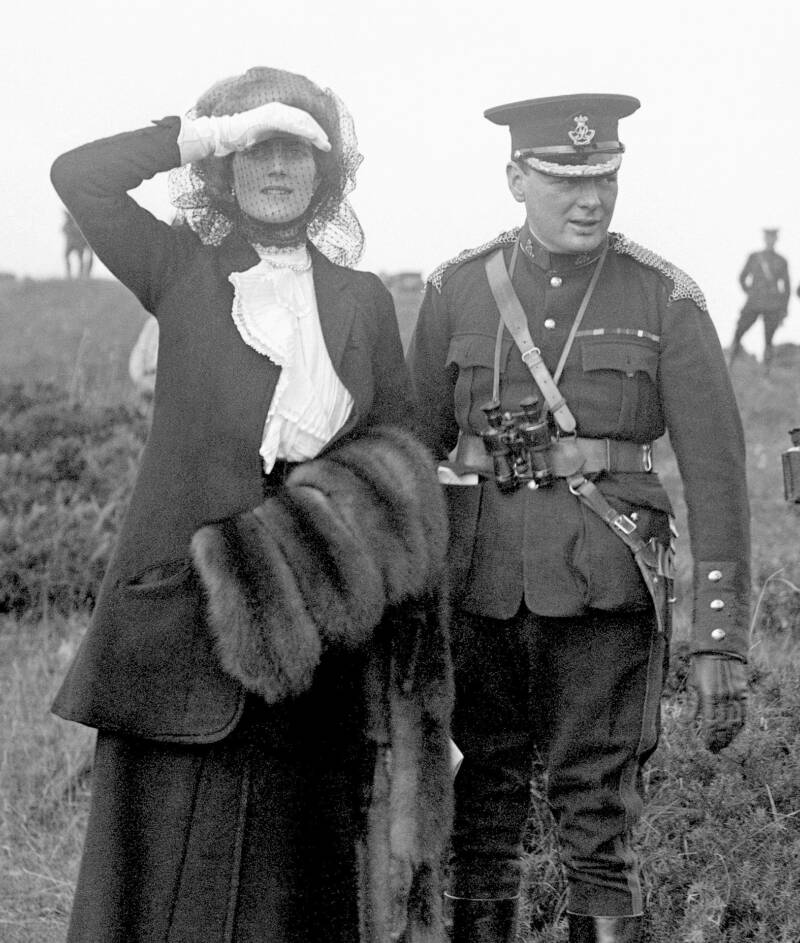
Public DomainWinston and Clementine Churchill in 1910.
During World War I, she encouraged her husband to participate in the conflict to rehabilitate his political career after the failure of the Gallipoli Campaign. At home, Clementine also contributed to the war efforts and was awarded the Commander of the Order of the British Empire (CBE) for her volunteer work in 1918.
However, the couple did not always agree. Their arguments were legendary — once, Clementine threw a plate of spinach at her husband — and Winston referred to Clementine as "the woman whose orders must be obeyed."
But in tough times, Clementine Churchill supported her husband. She stood by him during his bouts of "Black Dog" depression and remained by his side during the dark days of World War II. According to NPR, Clementine did everything she could to help British citizens during the Blitz and even assisted her husband in preparing some of his most famous speeches.
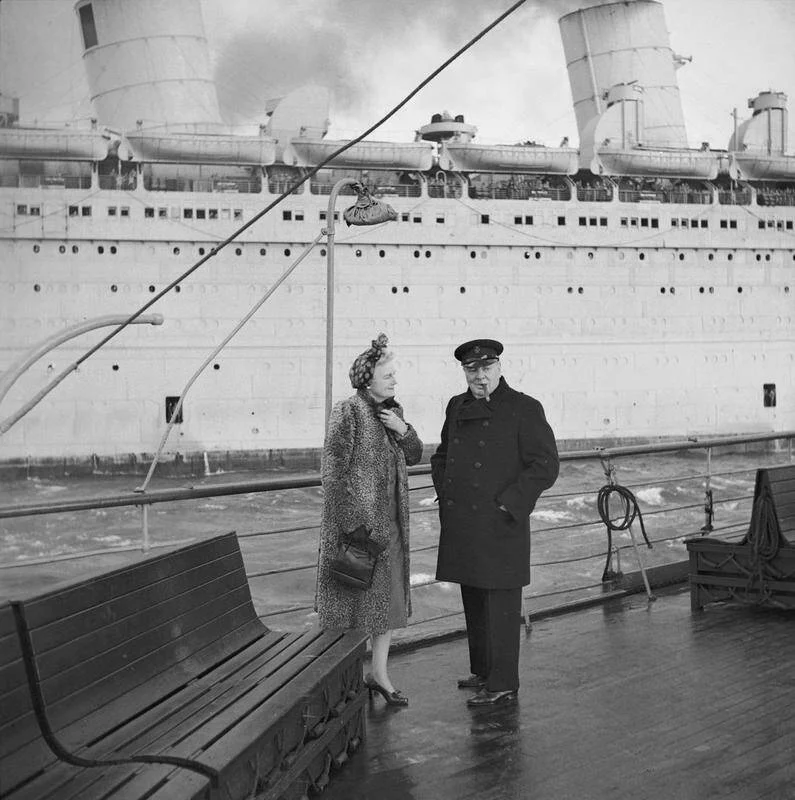
Imperial War MuseumsClementine Churchill traveled with her husband during World War II and advised him on strategy.
“I tell Clemmie everything,” Winston Churchill reportedly said to Franklin Delano Roosevelt, according to the International Churchill Society.
Clementine Churchill's Later Years
Clementine Churchill remained married to her husband for 56 years, passing away at the age of 90 in 1965. She lived for more than a decade after him and died at the age of 92 on December 12, 1977.
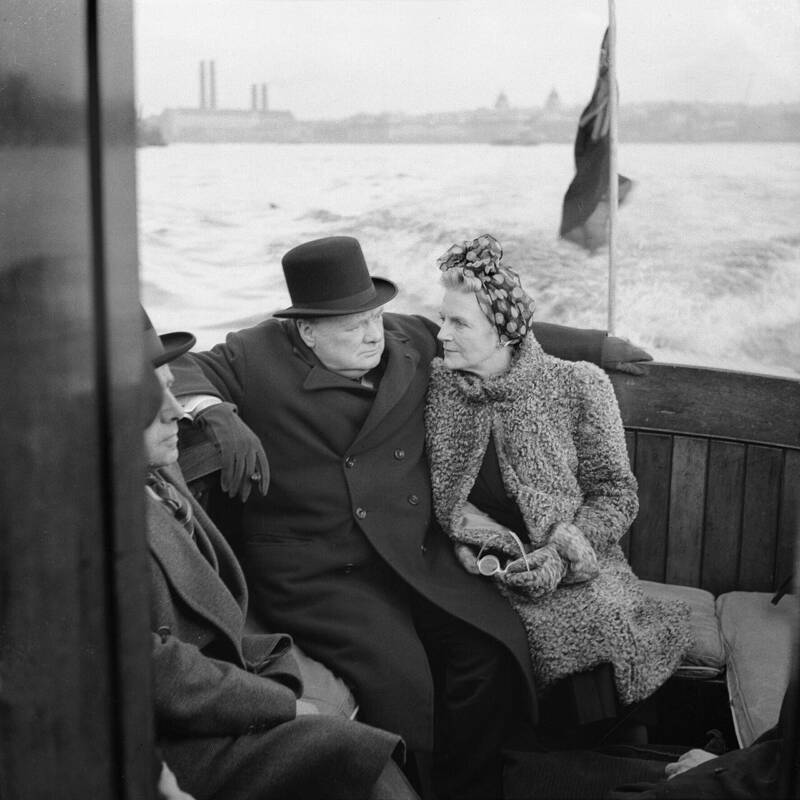
Imperial War MuseumWinston and Clementine Churchill in 1940.
While her husband emerged as one of the most famous figures of the 20th century, Clementine Churchill's own story is much less known. However, she played an important role as well. Not only was she her husband's most trusted advisor on personal and political matters, but she also supported humanitarian efforts and fought for women's rights.
Winston Churchill once said:
“My marriage was the luckiest and happiest event of my life; for what could be more glorious than to unite with a being who cannot have an ignoble thought?”

























Comments
(8 Comments)