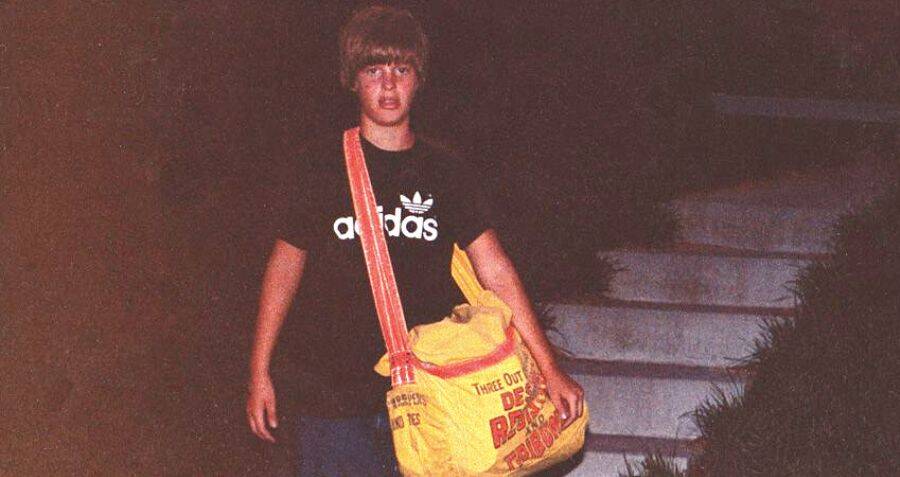
On September 5, 1982, 12-year-old Johnny Gosch woke up early to deliver newspapers in the West Des Moines area of Iowa. Other newspaper boys saw him near his home around 6 a.m. with a bag full of newspapers - but Gosch never returned home.
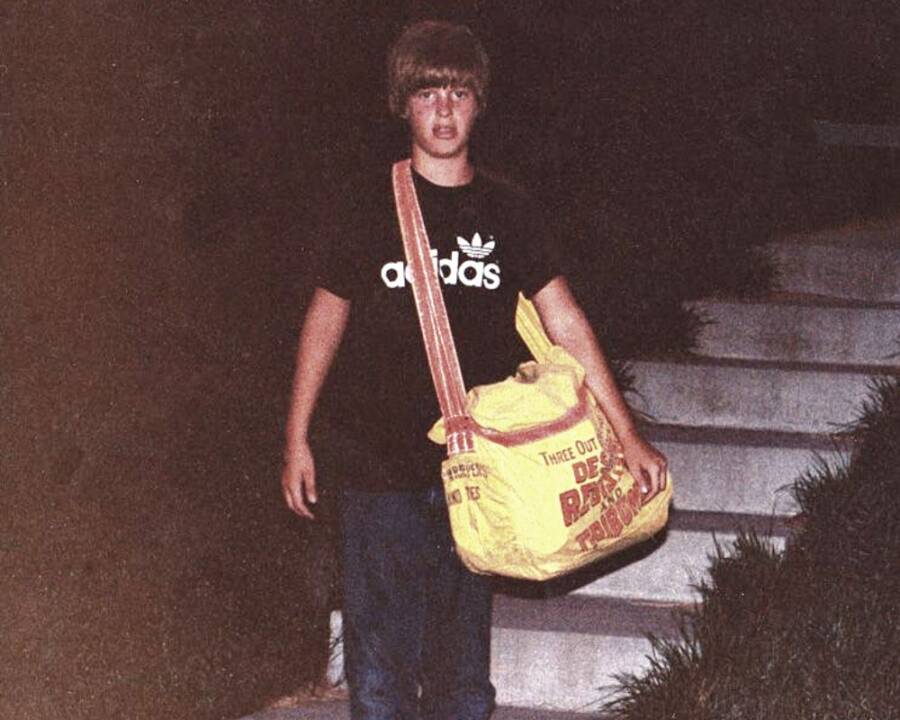
Twitter/WHO 13 NewsJohnny Gosch with his newspaper bag just before he went missing.
The only sign of the young boy was his small red car. Several witnesses reported seeing him talking to a strange man in a blue car, but the police initially assumed he had simply run away, giving his abductor plenty of time to escape.
Even when the search for Gosch began in earnest, there were no real leads to follow. Two years later, with another child missing under similar circumstances, a resident of Des Moines suggested printing both children's photos on milk cartons from a local dairy. This sparked a nationwide campaign featuring milk cartons with information about missing children.
Over the 40 years since Gosch went missing, many people in the United States reported seeing him. His mother even reported that he appeared at her home one night in March 1997 and that he was alive. However, despite these claims, Johnny Gosch is still missing.
The Mysterious Disappearance of Iowa Paperboy Johnny Gosch
On September 5, 1982, Johnny Gosch woke up before sunrise and left home to deliver newspapers in West Des Moines, Iowa. According to Iowa Cold Cases, his father usually accompanied him, but John David Gosch chose to stay home that fateful Sunday morning.
At around 7:45 a.m., the Gosch family received a phone call from a neighbor wondering why his newspaper had not yet been delivered. This was strange because young Gosch should have completed his route by that time. The dog had returned home - but Gosch had not.
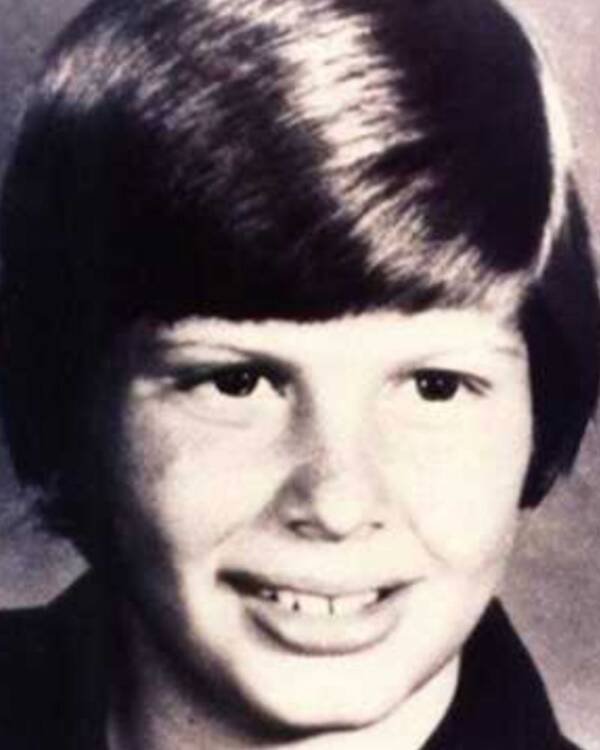
National Center for Missing and Exploited ChildrenJohnny Gosch was only 12 years old when he went missing on September 5, 1982.
John Gosch immediately began searching the neighborhood for his son. John later told The Des Moines Register, "We searched and found his little red car. It was parked at every [newspaper] stop."
John and his wife Noreen frantically alerted the local police. However, since there was neither a note nor a ransom demand, the police assumed Johnny Gosch had run away and were allowed by law to wait 72 hours before declaring him missing and starting a search.
But Gosch's parents knew something was terribly wrong.
Desperate Search for Missing Child Johnny Gosch
When the police finally began searching for answers related to Johnny Gosch's disappearance, a chilling timeline of events began to emerge. Other newspaper boys who worked with Gosch that morning reported seeing him talking to a man in a blue Ford Fairmont around 6 a.m.
According to Iowa Cold Cases, Noreen later described details of the incident she heard from witnesses: "The man turned off his engine, opened the passenger door, and dangled his feet on the sidewalk where the boys were collecting their newspapers."
The man asked her son for directions, and after young Gosch spoke with him, he began to walk away.
Noreen continued, "The man closed the door and started the engine, but before leaving, he flashed his dome light three times. She believes he signaled to another man, who then emerged from between two houses and began to follow Gosch."
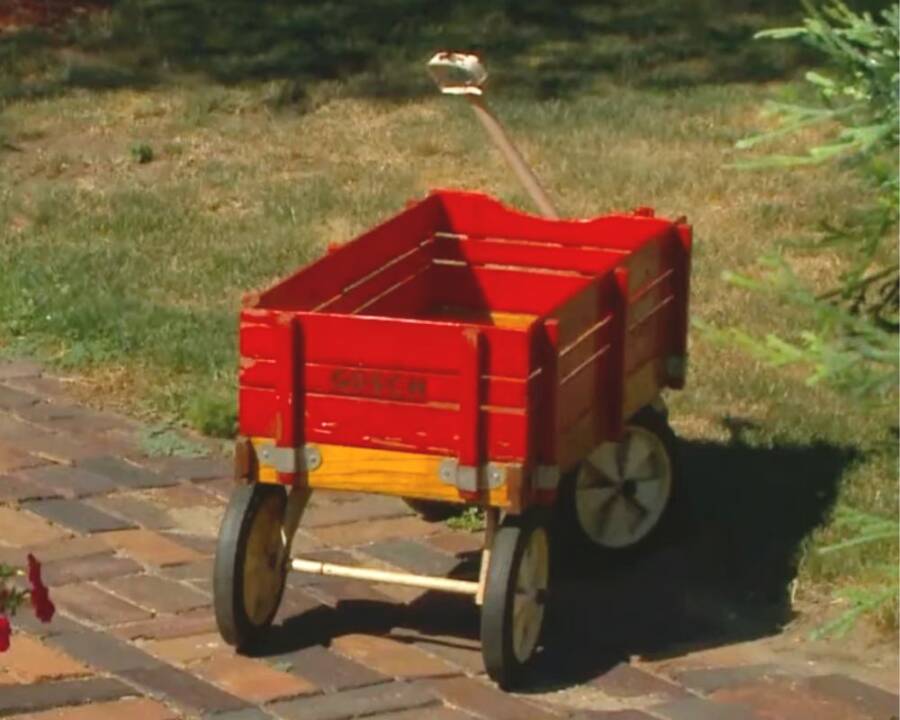
YouTubeThis red car is the only clue to Johnny Gosch's whereabouts.
However, the story changed, and no one could remember many details about the man or his car, leaving the police with very few clues to follow. Frustrated by the response from law enforcement, Gosch's parents began to take matters into their own hands.
John and Noreen Gosch participated in television programs and distributed over 10,000 posters printed with their son's photo. And two years later, when a 13-year-old boy named Eugene Martin, who was lost while delivering newspapers just 12 miles from where Johnny Gosch was last seen, the story of Gosch spread even further.
A relative of Martin worked at the local Anderson & Erickson Dairy, and they asked them to print photos of Martin, Gosch, and other missing children in the area on milk cartons. The dairy farm agreed, and the idea quickly spread nationwide.
The extensive efforts made to find Gosch's disappearance ensured that news of his abduction spread rapidly, and soon people began calling the police to report sightings of the young boy.
Alleged Sightings of Johnny Gosch Over the Years
In the years following Johnny Gosch's disappearance, people from across the country claimed to have seen him in various places.
In 1983, according to OurQuadCities, a woman in Tulsa, Oklahoma, said that Gosch was running towards the crowd and said, "Please, ma'am, help me! My name is John David Gosch." Before the woman could react, two men took the child away.
Two years later, in July 1985, a woman in Sioux City, Iowa, received a dollar bill along with her change while making a purchase at a grocery store. A short note was written on the bill: "I am alive." It was signed by Johnny Gosch, and three separate handwriting analysts confirmed its authenticity.
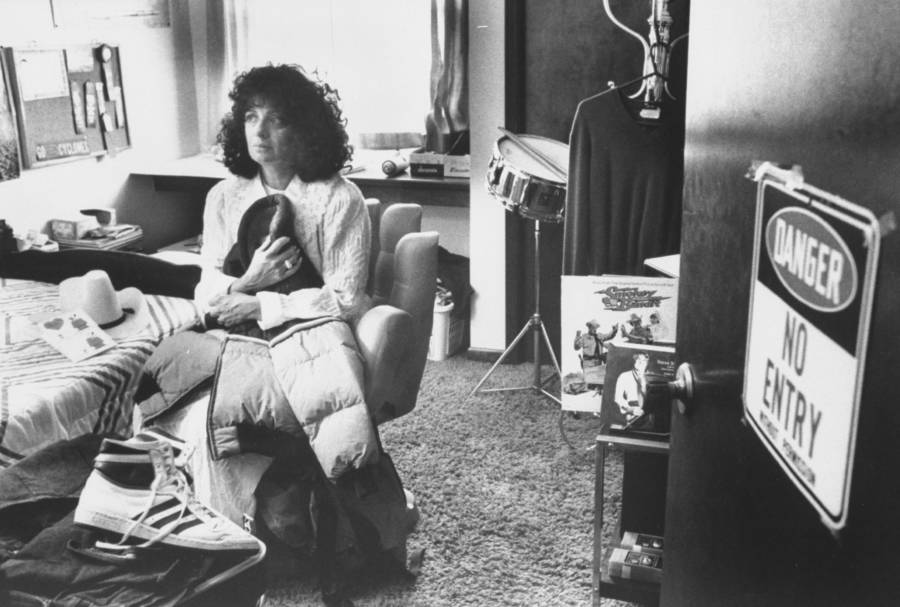
Taro Yamasaki/The LIFE Images Collection/Getty ImagesNoreen Gosch sits in her son Johnny's room, holding his ski jacket.
However, those who claimed to have seen Gosch were not just strangers - even Noreen herself said he appeared at her home one night, 15 years after he went missing.
In March 1997, Noreen Gosch woke up to a knock at her door at 2:30 AM. When she opened the door, her then 27-year-old son Johnny Gosch was standing there with a strange man. Noreen claimed that her son opened his shirt to show a unique birthmark, then came inside and spoke with her for over an hour.
Later, she told The Des Moines Register, "He was with another man, but I don't know who that person was. Johnny was looking at the other person for approval to talk. He didn't say where he lived or where he was going."
According to Noreen, Gosch told her not to inform the police because it would put both their lives in danger. She stated that her son was abducted by a child sex trafficking ring, and the strange package that appeared on her doorstep ten years later confirmed her beliefs.
Mysterious Photos and Sexual Abuse Allegations
Although the police and John Gosch's father, who divorced his wife in 1993, viewed Noreen's claims that Johnny Gosch visited her in 1997 with skepticism, a series of photographs sent to her in 2006 led them to think she might be telling the truth.
That September, nearly 24 years after Gosch's disappearance, Noreen found an envelope at her doorstep containing several photos of children who were all tied up - one of whom bore a striking resemblance to Johnny Gosch.
The police were astonished and quickly investigated the source of the photographs, but ultimately determined that they were not of Gosch. They had previously been examined in Florida and found to be a prank by a group of friends, but Noreen believes this is not credible.
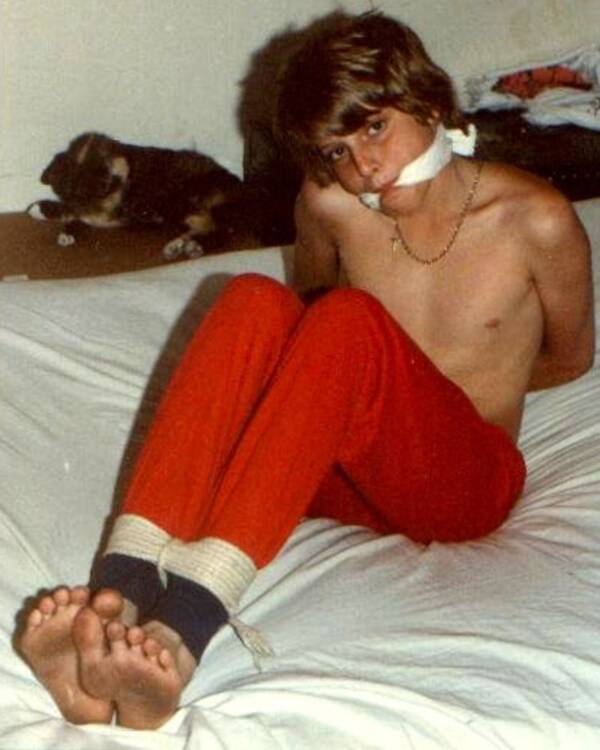
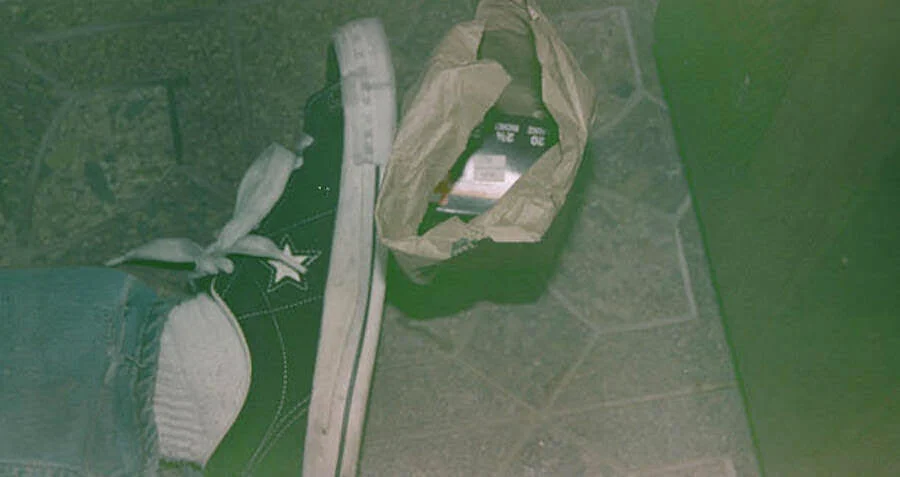
Public DomainNoreen Gosch believes this photo belongs to her son Johnny Gosch.
She continues to believe that her son was forcibly taken by a pedophile ring, partly due to the information she has received over the years. In 1985, a man from Michigan wrote to Noreen, claiming that a motorcycle club had kidnapped Gosch to use him as a child slave and demanded a high ransom for the child's return.
And in 1989, a man named Paul Bonacci, who was sentenced to prison for child abuse, told his lawyer that he had also been kidnapped by a sex ring and that he was forced to help kidnap Gosch, who was used to coerce him into sexual servitude. Noreen spoke with Bonacci and he said that he knew things "that only someone who had spoken to her son could know," but the FBI stated that his story was not credible.
Noreen Gosch, often overlooked as a grieving mother who had turned to exaggerated conclusions and stories after her missing son, ensured that the cases of missing children were addressed more urgently through her determination.
In 1984, Iowa passed the Johnny Gosch Law, which required police to investigate missing child cases immediately, instead of waiting 72 hours. Although young Gosch was never found, the legacy he left as one of the milk carton children and as a driving force behind significant legislation may have helped others escape the same fate.
Leave a Comment
You May Also Like















Comments
(6 Comments)