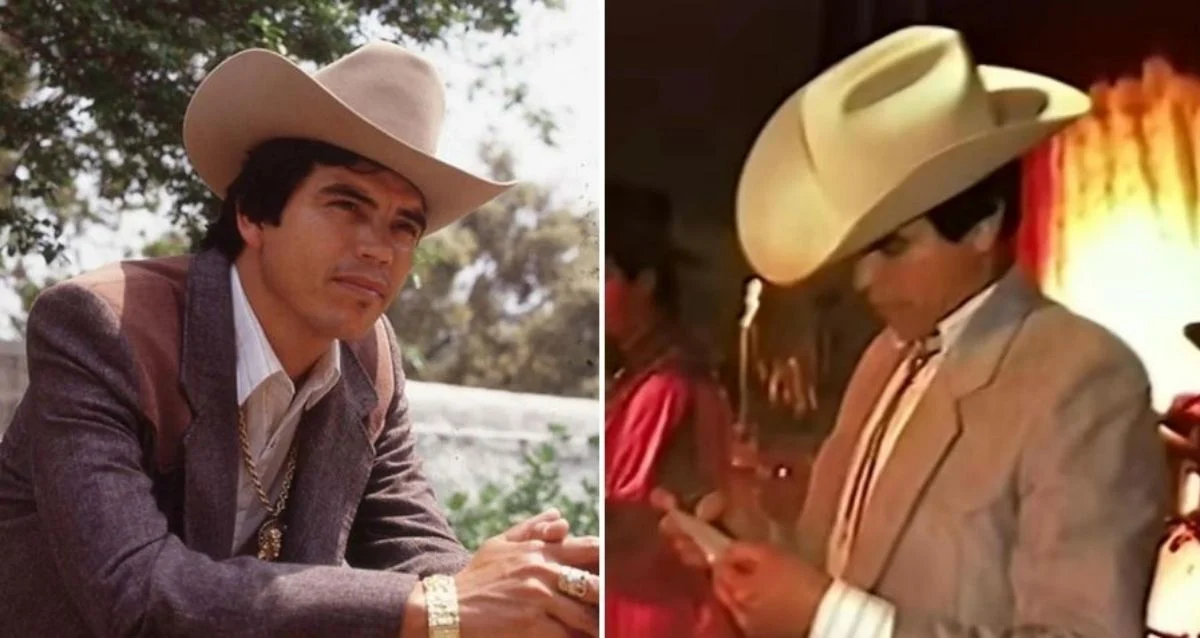
Chalino Sánchez/Facebook
Chalino Sánchez was killed at the age of 31 in Sinaloa after a concert.
On May 15, 1992, Chalino Sánchez was performing in front of his loyal fans at a packed nightclub in Culiacán, Mexico. A note was passed to the stage. As the singer read the note, he wiped his forehead and smiled nervously, then crumpled the paper and continued with the song.
Hours later, Sánchez was found dead in a ditch by the roadside. He had been executed in what appeared to be a targeted murder. So, who did this?
Could Sánchez have angered cartel bosses with his narcocorridos songs about drug trafficking and murder? Could the fatal decision he made at the age of 15 have haunted him?
To this day, the contents of the note that Chalino Sánchez read during his concert remain unknown — but many believe it was a chilling warning of what was to come.
Chalino Sánchez's Violent Early Life
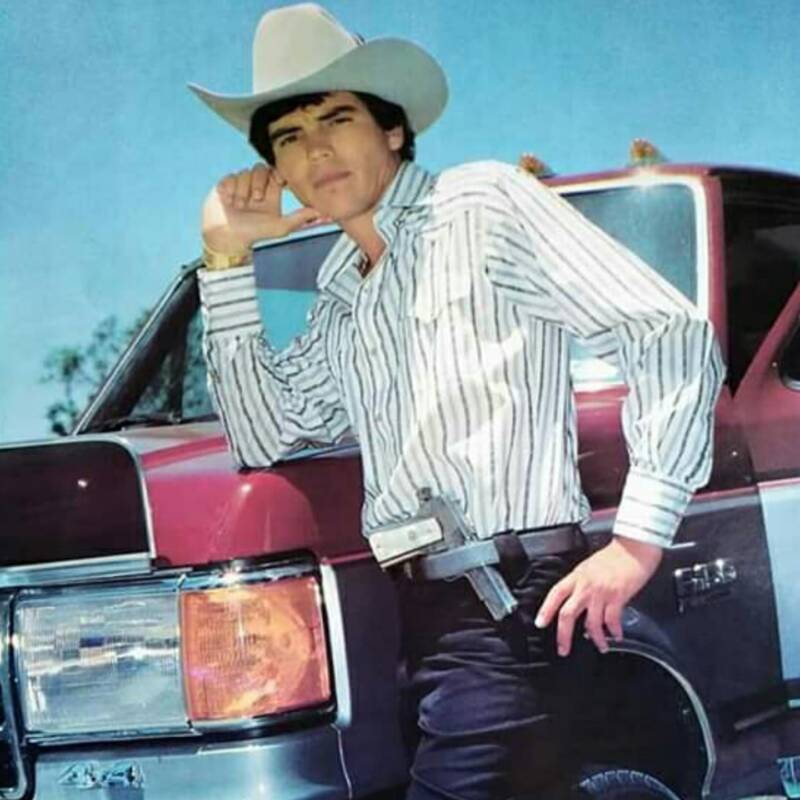
Chalino Sánchez was a child growing up in rural Sinaloa long before he became a legend. He was born Rosalino Sánchez Félix on August 30, 1960, in a small ranch called Las Flechas near Culiacán.
Life in Sinaloa was tough, shaped by poverty and constant violence. Sánchez's father died when he was just six years old. At the age of 15, he killed a man who had raped his sister.
Sánchez saw the man across the room at a party. According to the story, he walked over, pulled out his gun, and fired without saying a word. At that moment, Chalino Sánchez's life was divided — there was no turning back.
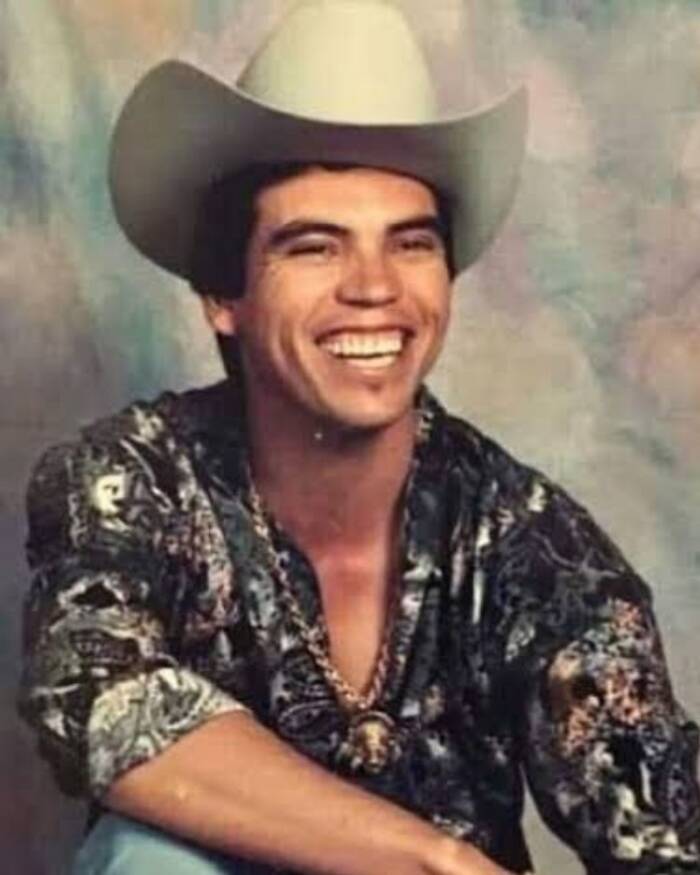
Chalino Sánchez/Facebook
Chalino Sánchez rose from a life of poverty and violence in Sinaloa to become the "King of Corrido."
After the murder, Sánchez fled to Tijuana, where he worked as a coyote, secretly helping migrants cross the U.S. border. In the fall of 1975, he moved to California and continued to assist in smuggling operations alongside his brother while working on various farms.
In 1984, Sánchez married Marisela Vallejos, and they welcomed their first child that same year. However, amidst the joy of the new marriage and the baby, tragedy struck. Sánchez's brother Armando was killed in a hotel in Tijuana.
While grieving, Chalino Sánchez wrote his first song: “Recordando A Armando Sánchez” or “Remembering Armando Sánchez.” The lyrics of the song recount Armando's death and the horrific events that followed:
"Armando was in a deep sleep
When that man knocked on the door;
When he opened the door,
He was shot with seven bullets.
Falling heavily wounded,
He died shortly after.
Shortly after the crime,
That coward met his end;
At 1:45 —
The hour of revenge.
And in his last breaths,
He claimed to have seen Armando there."
However, Sánchez's struggles were far from over. Shortly after Armando's death, he served several months in prison, likely on drug-related charges. While in prison, he truly honed his ability to write narcocorridos; these ballads told stories of crime, cartels, and drug trafficking, highlighting the struggles of famous bandits and millions of Mexicans.
From Bandit to Corrido Star
While in prison, Sánchez began transforming the brutal stories of other inmates into poetic ballads. After being released, he started recording corridos that were requested of him.
Initially, he produced only one copy of each cassette, but soon customers began asking for extra copies to give to their friends and family. Sánchez started selling his music from the trunk of his car and began performing at quinceañeras and other parties in 1989.
His fame continued to grow in Mexico and Southern California, especially among working-class communities that saw the truth in his lyrics. But there was a price to pay.
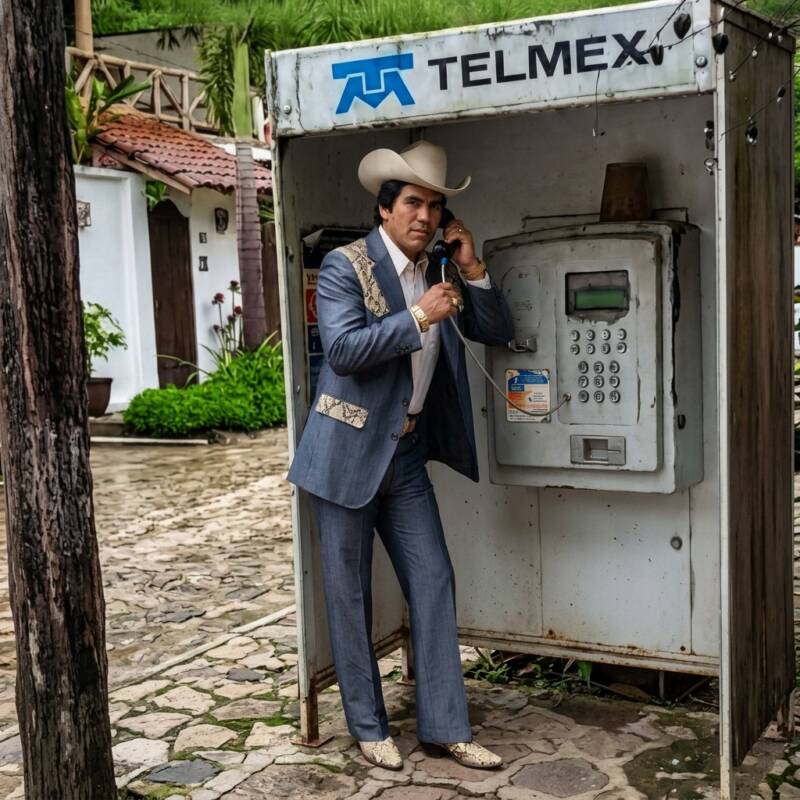
Chalino Sánchez/Facebook
Chalino Sánchez rose to fame with narcocorridos, and his life ended as violently as the lives of the subjects of his songs.
On January 25, 1992, Chalino Sánchez performed at a packed nightclub in Coachella, California. During his performance, a man named Eduardo Gallegos suddenly rushed the stage and opened fire, hitting Sánchez twice in the chest. Still, Sánchez managed to grab his own gun and returned fire.
Bullets were flying in every direction, and in the chaos, a 20-year-old audience member lost his life. Both Sánchez and Gallegos survived, but the incident marked the beginning of the end for the famous narcocorrido singer.
The Note That Sealed Chalino Sánchez's Fate
Months later, on May 15, 1992, Chalino Sánchez returned to Sinaloa despite warnings from his security team. That night, he performed at Salón Bugambilias in Culiacán, and something unusual happened during the concert: someone from the crowd handed Sánchez a note on stage.
Sánchez read the note, and for a moment his expression changed. A video from that night shows his expression after reading the note, scanning the room, wiping his forehead, and then crumpling the paper and continuing with the song. The show went on for the audience. However, it seemed as if Sánchez knew what awaited him after the concert.
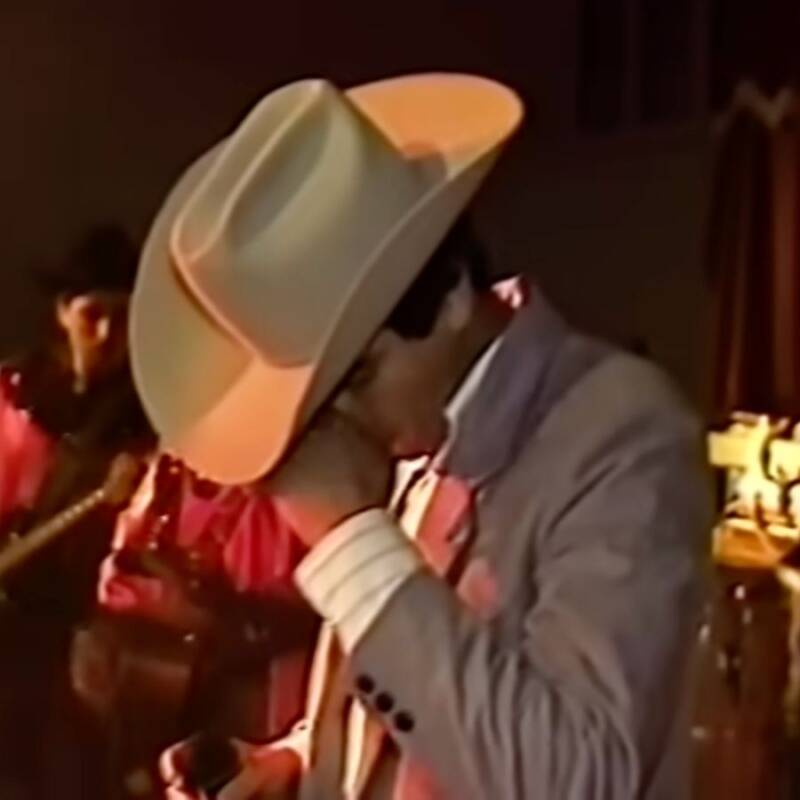
YouTube Chalino Sánchez.
Nervously wiping his forehead after reading the mysterious note he received during the concert.
Shortly after midnight, Chalino left the venue with his brothers, a cousin, and several women. While driving in Culiacán, they were stopped by armed men in black SUVs who identified themselves as police. They told Sánchez that their commander wanted to see him.
Not knowing whether he was protecting the men or his family, Chalino Sánchez agreed to go with them. This was the last moment he was seen alive.
The next morning, his body was found in an irrigation canal outside the city. His eyes were covered, there were rope marks on his wrists, and there were two bullet holes in the back of his head. Sánchez had been murdered. He was only 31 years old.
‘El Rey Del Corrido’ Legacy
More than 30 years later, no one has been held accountable for Sánchez's death. Theories range from cartel revenge to personal vendetta — perhaps for the death of the man he killed at 15. However, most people believe that the mysterious note Sánchez received on stage was somehow connected to his death.
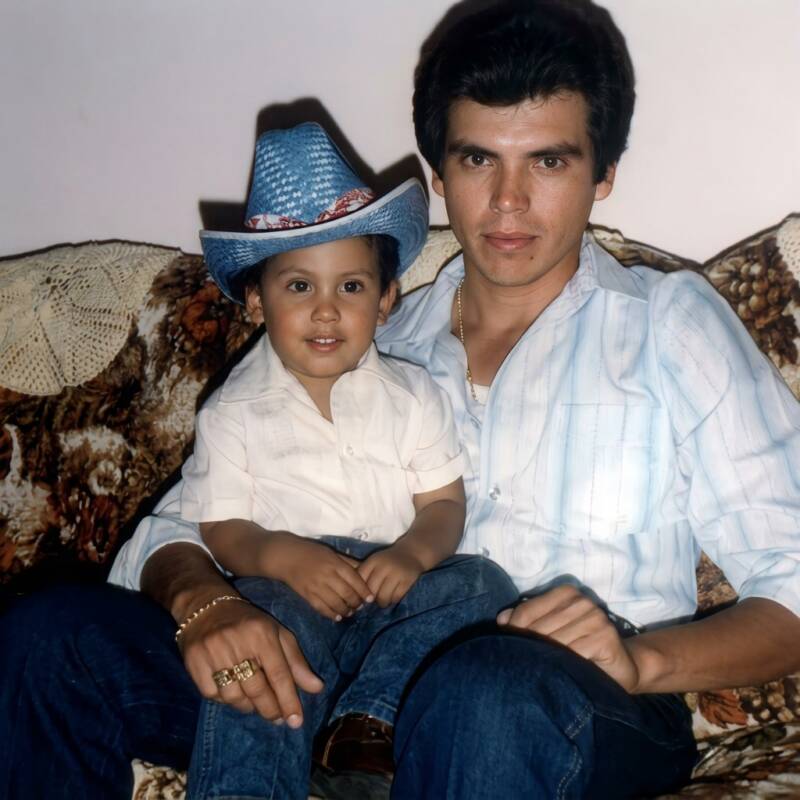
Sánchez left behind a wife and two children. His son Adán Sánchez followed in his father's footsteps, stepping into the regional Mexican music world and quickly building his own fan base.
However, just as his career was beginning, it tragically came to an end. In 2004, at just 19 years old, Adán lost his life in a car accident while on his way to a concert in Mexico.
Chalino Sánchez/Facebook
Chalino Sánchez and his son Adán, who also became a singer.
Yet, in death, Chalino Sánchez became something larger than himself. His music spread and reached far beyond the communities that first embraced it. He didn't just write corridos about violence, survival, and fate; he lived them. His final moments felt like the closing line of one of his own songs.
Decades later, the influence of the "Corrido King" has not faded. On the contrary, it has only grown stronger. His raw, unfiltered style reshaped Mexican music and gave voice to often overlooked stories. Whether viewed as a legend or a controversial figure, Sánchez's impact is undeniable.
Comments
(6 Comments)